


Modern Disconnect: Impact on Family Well-being
Today’s families spend most hours indoors, under artificial light, surrounded by screens and noise. Commutes, homework, and late-night emails make recovery time scarce. The result is a steady “on” state that disrupts sleep, elevates stress hormones, and leaves parents and kids feeling wired yet exhausted. Over time, this modern disconnect shows up as restless nights, short tempers, anxious thoughts, unexplained aches, and a general drop in resilience.
Grounding for family well-being offers a practical counterbalance. By making direct contact with the Earth—or using conductive tools that connect to a grounded source—many people report feeling calmer, sleeping more soundly, and experiencing a natural energy boost during the day. Early studies and user reports point to earthing health benefits such as reduced perceived stress, improved sleep naturally, and less discomfort after long periods of sitting or activity. While research is ongoing, the low-effort nature of grounding makes it an accessible experiment for busy households.
Why might it help? Several proposed mechanisms are being explored:
- Regulation of autonomic balance: Gentle activation of the parasympathetic “rest and digest” response may help reduce anxiety; grounding is often paired with slow breathing to deepen this effect.
- Support for circadian rhythm: Evening routines that combine dim light and grounding may help signal the body to wind down.
- Inflammation and recovery: Preliminary trials have observed changes in markers related to inflammation and nighttime cortisol patterns, which can influence mood and sleep quality.
Concrete ways to apply grounding at home:
- Morning reset: Five to ten minutes of barefoot time on grass or concrete while getting sunlight and hydrating. Parents can sip coffee outdoors; kids can stretch or play with a pet.
- After-school decompression: A quiet, screen-free 15-minute grounding session—reading or drawing while feet rest on a grounded surface—to reduce the transition stress that fuels sibling squabbles.
- Pre-bed wind-down: Lights dimmed, devices off, and a short gratitude practice while lying on a grounded surface to support improved sleep naturally.
- Active recovery: Post-sports or long desk days, use grounding during gentle mobility work to ease muscle tightness.
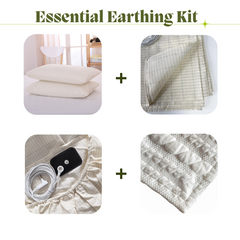
When outdoor time isn’t feasible, indoor earthing maintains consistency. Terra Therapy’s fitted grounding bedsheets support overnight contact without changing your routine. Grounding bed mats slide under desks or living-room chairs for study, work, or family reading time. Essential grounding starter kits help you equip multiple rooms so everyone can participate.
As families layer these small habits, many notice calmer evenings, smoother mornings, and more focused attention—subtle shifts that add up to a more harmonious home life. The routine itself becomes a cue for connection and ease, helping reduce anxiety; grounding easily fits alongside other evidence-based lifestyle practices like regular movement, sunlight exposure, and a consistent bedtime.
Discovering Earth's Natural Healing Power
Most of us spend our days insulated from the ground by shoes, flooring, and elevated beds. Grounding simply means restoring direct connection to the Earth’s subtle electrical charge so your body can equalize—much like touching a metal surface discharges static. Early research and many user reports suggest this contact may help calm the nervous system, support healthier cortisol rhythms, and encourage improved sleep naturally.
Here’s how that can translate into grounding for family well-being at home. When the body shifts from “fight-or-flight” toward “rest-and-digest,” heart rate variability often improves and muscles soften, which can make it easier to unwind in the evening. Parents aiming to reduce anxiety—grounding included—often find a pre-bed routine that pairs quiet reading with feet on a grounding mat helps the whole household downshift. Children who struggle to settle may benefit from a consistent bedtime and low-light environment paired with grounded bedding, helping cues that signal sleep arrive on time.
Practical examples you can try:
- Night support: Fitted grounding bedsheets allow gentle, continuous contact during sleep. Many sleepers report fewer awakenings and a more refreshed feeling in the morning.
- Work and study: A grounding mat under a desk or at a dining table can help ease daytime tension during screens and homework.
- Recovery and relaxation: Place a mat where grandparents watch TV or where you stretch after a walk; some people notice reduced perceived soreness and a steadier mood.
- Quick resets: Five to ten minutes of barefoot time on grass or soil offers an outdoor option whenever weather allows.
For households that need an indoor solution year-round, Terra Therapy’s fitted grounding bedsheets and grounding bed mats are designed to enable indoor earthing/grounding by connecting to a grounded outlet via a built-in safety resistor. Essential Grounding Starter Kits bundle what a family needs to get started in one step, making adoption simpler across bedrooms and common spaces.
What might you notice? Many users describe a subtle sense of calm within minutes, an easier time falling asleep, and a natural energy boost upon waking. Others report fewer afternoon slumps and a more harmonious home life as stress levels smooth out. While responses vary and grounding isn’t a cure-all, the low-effort consistency of nightly contact seems to matter: small studies suggest regular use may support sleep quality and perceived stress reduction over time.
To amplify earthing health benefits, layer simple habits: morning daylight exposure, steady hydration, and an earlier digital wind-down. Combined with grounded sleep or short daily sessions on a mat, these cues work together to nudge the body toward balance—helping your family feel calmer, clearer, and more resilient day to day.
What is Earthing and How it Works
Earthing, also called grounding, is the simple practice of making direct contact with the Earth’s surface so your body can equalize its electrical charge with the planet. Think bare feet on grass or skin contact through a conductive surface connected to a true ground. In a modern home full of insulating floors and shoes, grounding for family well-being reintroduces that connection in a practical, everyday way.
How it may work comes down to basic physics. The Earth holds a virtually limitless supply of free electrons and sits at an electrical potential of approximately zero volts. When your skin touches the ground—or a grounded conductive fabric—electrons can flow to your body, helping neutralize excess positive charge and lowering induced voltage from ambient electrical fields. This equalization may reduce low-grade electrical stress and support the body’s natural signaling.

Emerging research and user reports point to several earthing health benefits. Pilot studies have observed changes in heart rate variability (a marker linked to stress resilience), shifts toward a calmer parasympathetic state, and a normalization of daily cortisol rhythms in some participants. This helps explain common experiences such as improved sleep naturally and a steadier mood.
At the tissue level, one proposed mechanism is that incoming electrons help neutralize reactive oxygen species, potentially easing inflammatory processes after activity or everyday strain. While more large-scale research is needed, many families use grounding to relieve muscle tension after sports, unwind before bed, or feel a natural energy boost in the morning.
Practical ways to try grounding at home:
- Outdoors: 20–30 minutes barefoot on slightly damp grass, soil, or sand. Gardening with bare hands also counts.
- During sleep: A fitted grounding bedsheet with conductive silver threads connects to a grounded outlet, providing hours of contact overnight.
- Work and play: A grounding mat under the desk, at the sofa, or in a reading nook lets kids do homework and parents work while connected.
For parents seeking to reduce anxiety grounding practices can be as simple as family story time while resting feet on a grounding mat or swapping standard linens for a conductive bedsheet to encourage deeper, more consistent rest. Many users report fewer night awakenings and calmer mornings—small shifts that add up to a more harmonious home life.
Tips for effective use:
- Ensure the outlet ground is functional with a simple outlet tester.
- Maintain direct skin contact with the conductive surface.
- Start with 30–60 minutes daily and build from there.
- Follow product guidelines; if you use medical devices, consult your clinician before beginning.
By bringing the Earth’s steady electrical reference indoors with tools like grounded bedsheets, bed mats, and starter kits, families can integrate a low-effort routine aimed at better sleep, steadier nerves, and refreshed energy—naturally.
Grounding for Restful Sleep and Reduced Stress
Quality sleep and lower stress start with consistent cues that help the body shift into “rest-and-digest.” Grounding adds a simple, tactile cue to that routine. By maintaining subtle electrical contact with the Earth, you may support calmer nervous system activity and more stable cortisol patterns—factors linked in studies to improved sleep naturally and a steadier mood.
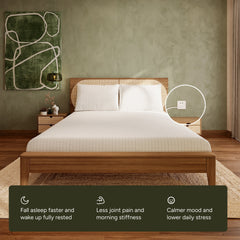
At night, make your bed a recovery zone. Terra Therapy’s Fitted Grounding Bedsheets connect to the grounding port of a properly wired outlet, allowing skin-to-sheet contact while you sleep. Use the included outlet checker from an Essential Grounding Starter Kit to verify grounding, attach the cord, and ensure part of your skin (legs, feet, or back) touches the conductive fibers. Keep your usual bedding; just avoid a thick synthetic layer between you and the sheet.
What families often report after adding earthing at night:
- Easier time falling asleep and fewer nighttime awakenings
- Calmer mornings with less irritability, supporting a more harmonious home life
- Reduced muscle tension or restlessness after active days
- A gentle, natural energy boost upon waking
For children and teens, keep it simple. A twin fitted sheet or a Grounding Bed Mat placed at the foot of the bed allows contact without changing their routine. Dim lights, a short reading session, and five deep breaths with bare feet on the grounded surface can help reduce bedtime jitters. Parents frequently use this as a screen-free wind-down that pairs well with consistent lights-out times.
Daytime stress relief can be just as straightforward. During a midday break, sit where a grounding surface is accessible—the edge of the bed with a Grounding Bed Mat, or the sofa if you’ve positioned a mat for feet contact. Add two minutes of slow nasal breathing (inhale 4 seconds, exhale 6 seconds) and a brief body scan. This mini-practice helps reduce anxiety; grounding can complement breathwork by reinforcing a sense of physical calm.
Quick setup tips for grounding for family well-being:
- Consistency beats intensity: aim for nightly contact and short daytime sessions.
- Hydrate well; good skin moisture improves conductivity.
- Touch matters: skin-to-surface contact is key for earthing health benefits.
- Keep cords routed safely, especially around kids and pets.
- If you have implanted electronic devices or take blood-thinning medication, consult your clinician before starting.
Every household is different, and responses vary. Some users notice changes within a few nights; others see gradual shifts over weeks. With reliable tools—like Terra Therapy’s Fitted Grounding Bedsheets and Essential Grounding Starter Kits—you can build a low-effort routine designed to ease stress, support deeper rest, and contribute to a calmer, more resilient family rhythm.
Natural Pain Relief and Enhanced Vitality
Everyday aches, stress, and low energy can add friction to family routines. Grounding—connecting your body to the Earth’s electrical potential through conductive materials—offers a simple, at‑home practice that many people use for natural pain relief and a steadier sense of vitality. As part of grounding for family well-being, it’s designed to be non-invasive, easy to integrate, and suitable for different ages and activity levels.

Pain often flares with overuse, poor sleep, or chronic tension. Early research and user reports suggest grounding may help calm the nervous system and support normal inflammatory responses, which can translate into less perceived pain and muscle soreness. People commonly note eased morning stiffness, milder post‑workout discomfort, and fewer tension headaches when they maintain daily contact.
Vitality tends to follow better sleep and a calmer stress response. Preliminary studies show improvements in sleep onset and subjective restfulness, along with more balanced cortisol patterns—factors linked to improved sleep naturally and a natural energy boost during the day. Families often observe steadier moods and fewer afternoon slumps, contributing to a more harmonious home life.
Practical ways to apply this at home:
- Nightly recovery: Use Terra Therapy Fitted Grounding Bedsheets to maintain gentle skin contact while you sleep. Many notice less tossing and turning and more refreshed mornings.
- Workday relief: Place a Grounding Bed Mat under a desk to rest bare feet while working. Example: a parent with a seated job uses a mat for 2–3 hours daily and reports less lower‑back tightness by evening.
- Post‑exercise reset: After sports or workouts, sit with calves or hamstrings on a mat for 30–60 minutes to ease next‑day soreness. This can help active teens bounce back between practices.
- Calm the evening: Pair a 15–20 minute grounding session with slow breathing or reading to help reduce anxiety—grounding can reinforce a wind‑down routine for kids and adults.
What you may notice over time:
- First sessions: A sense of calm or warmth; easier unwinding after a busy day.
- 1–2 weeks: Quicker sleep onset, fewer nighttime awakenings, gentler morning joints.
- 3–4 weeks: Clearer daytime focus, smoother energy, and diminished recurring aches.
Tips for best results:
- Ensure your outlet is properly grounded; use a simple outlet tester before connecting products.
- Maintain direct skin contact; rotate contact points (feet, calves, forearms) for comfort.
- Stay consistent; daily exposure tends to work better than occasional sessions.
- During electrical storms, consider disconnecting as a precaution.
- Grounding is not a medical treatment; consult a clinician for persistent or severe pain.
Terra Therapy’s Essential Grounding Starter Kits make indoor earthing straightforward for the whole household, helping you explore earthing health benefits safely and build routines that support sleep, reduce anxiety grounding practices, and sustain family energy day after day.
Simple Steps to Ground Your Living Space
Grounding for family well-being starts with making low-effort contact points you’ll actually use. Focus on the places your family spends the most time—beds, sofas, desks, and play areas—and build simple habits around them.
- Begin with sleep. Nighttime is the easiest way to get consistent contact. Fit Terra Therapy’s Fitted Grounding Bedsheets to the mattress so bare skin touches the fabric where you naturally rest—calves, thighs, or back. Use an outlet ground-checker to confirm a proper ground before connecting. Wash sheets regularly without fabric softener to maintain conductivity. Many users report improved sleep naturally within 1–3 weeks, so commit to a 14-night trial before assessing changes.
- Add a second touchpoint for daytime. If you read or wind down in bed, a Grounding Bed Mat at the foot of the bed can provide contact during evening stretches, story time, or meditation. For shared spaces, consider an Essential Grounding Starter Kit to set up a simple seated station where feet or hands can rest during homework, calls, or journaling. Keep cables tidy and out of walkways.
- Use outdoor moments strategically. Barefoot time on slightly damp grass, soil, or sand remains the most direct approach. Aim for 20–30 minutes while supervising kids in the yard or during a post-dinner stroll. Concrete in contact with the earth can conduct; asphalt and dry wood generally do not. Morning dew or post-rain conditions enhance contact.
- Create a family rhythm. Pair grounding with existing routines to make it stick:
- After-school snack with 10 minutes of feet-on-mat reading
- Pre-bed story with legs on the bed mat
- Weekend garden time barefoot while watering plants
- Keep it safe and simple. Connect to the ground port only; never to live or neutral slots. Unplug during electrical storms. If you’re unsure about a particular outlet, consult an electrician. Ensure direct skin contact; avoid thick layers between you and the conductive surface.
- Maintain and test. Launder conductive fabrics per care instructions (no bleach or softeners). Wipe mats with a damp cloth. Periodically use a continuity tester to confirm the connection from fabric/mat to the ground port.
- Track what matters. To understand earthing health benefits for your household, note bedtime and wake time, perceived sleep quality, morning energy, and stress levels. Many families use a simple 1–10 rating to see trends in mood, focus, and whether reduce anxiety grounding practices are helping.
Consistent, low-friction contact points plus gentle habit stacking can deliver a natural energy boost and support a calmer, more harmonious home life. As with any lifestyle practice, effects vary; give it time and adjust based on what your family actually uses daily.
Cultivating a Grounded Family Lifestyle
Grounding for family well-being starts with simple, consistent habits that bring everyone into regular contact with the Earth’s natural charge. Think of it as creating touchpoints throughout the day—brief moments when skin meets a conductive surface connected to ground—to help the nervous system settle, promote improved sleep naturally, and support a harmonious home life.
Begin with small routines:

- Morning wake-up: Place a Terra Therapy Grounding Bed Mat by the bathroom sink or breakfast nook. Stand barefoot for 5–10 minutes while brushing teeth or prepping lunches.
- After-school reset: Set up a “calm corner” with a mat near the homework table or reading chair. Encourage kids to sit with bare feet on the mat as they decompress and focus.
- Evening wind-down: Swap one screen session for family reading on the couch with a shared mat under a throw. This screen-free ritual pairs well with a few slow breaths to reduce anxiety grounding effects.
Nighttime is the anchor. Fitted Grounding Bedsheets or a Grounding Bed Mat provide hours of contact during sleep, when the body repairs. Many users report faster sleep onset, fewer nighttime wake-ups, and a more refreshed morning—key earthing health benefits that support school performance, work focus, and a calmer mood at home.
Make it practical for everyone:
- Toddlers and kids: Use a mat during puzzles, drawing, or storytime. Keep the surface within easy foot reach.
- Teens: Slide a mat under the desk or gaming setup and encourage barefoot contact during homework.
- Parents: Place a mat under the home office desk for daytime use, then rely on fitted sheets for overnight recovery.
For those new to this practice, the Essential Grounding Starter Kit simplifies setup. Use the included outlet checker before connecting devices, and aim for direct skin contact. If anyone is sensitive, start with 15–30 minutes daily and build up, tracking changes in sleep and mood for two weeks. A simple journal—bedtime, wake-ups, energy, and calm—can help you see trends.
Amplify results with supportive habits:
- Maintain good sleep hygiene: consistent bedtimes, dark cool rooms, and low evening blue light dovetail with grounding to encourage improved sleep naturally.
- Stay hydrated and mineral-balanced: adequate electrolytes may support comfort during longer sessions.
- Keep it clean: Wipe mats with a mild solution; launder sheets without fabric softeners to preserve conductivity.
Over time, families often notice a steadier baseline—less reactivity during busy transitions, a natural energy boost in the morning, and smoother evenings. That steadiness is the foundation of grounding for family well-being. By weaving mats and sheets into everyday routines, you create a low-effort system that supports calm, connection, and a truly harmonious home life.
Embrace Calm and Well-being Through Grounding
Grounding for family well-being is a simple, low-tech practice: making gentle contact with the Earth’s electrical potential to help the body relax and rebalance. Many families use it to pursue earthing health benefits such as calmer moods and improved sleep naturally. You can combine outdoor time with indoor options to make it part of daily life year-round.
Start with the moments that shape your household’s rhythm—sleep, study, and recovery. At night, fitted grounding bedsheets create consistent skin contact that may help downshift the nervous system for easier rest. Place the sheet so calves or feet touch it directly, keep the bedroom cool and dark, and avoid heavy lotions that can reduce conductivity. Parents often notice shorter sleep latency and fewer awakenings; teens report less restlessness.
During the day, a grounding bed mat or desk mat brings the same effect to shared spaces. Slide a mat under a home office desk to support focus and reduce anxiety; move it to the sofa for reading time, or to the dining table during homework. Many people find a 20–30 minute morning session offers a natural energy boost without extra caffeine.
Create small, repeatable rituals the whole family can follow:
- Morning: five minutes barefoot on grass or, in cold weather, seated with feet on an indoor grounding mat while planning the day.
- After school or work: quiet reading or puzzles on the mat to help transition from “go-go-go” to calm.
- Evening: lights dimmed, devices away, then into grounding bedsheets to cue the brain for sleep.
For active households, grounding can be part of recovery. After sports or workouts, stretch or foam roll with feet on a mat to ease post-exercise tension. Pair with slow breathing (inhale 4, exhale 6) to further reduce stress.
Set up is straightforward:
- Verify your outlet is properly grounded with an outlet checker.
- Ensure bare-skin contact or use very thin natural fabric.
- Keep cords tidy and avoid power strips.
- If you use implanted medical devices, are pregnant, or have a specific medical condition, consult a clinician before starting.
Track what changes for your family so you can tailor routine and timing:
- Sleep: time to fall asleep, wake-ups, morning grogginess.
- Mood: simple 1–10 calmness ratings before and after sessions.
- Energy: note afternoon slumps across a week.
- Discomfort: location and intensity, plus activity notes.
Indoor earthing/grounding products make consistency easy. Terra Therapy’s fitted Grounding Bedsheets, Grounding Bed Mats, and Essential Grounding Starter Kits let each family member engage in reduce anxiety grounding practices that fit their schedule. With steady use, these habits can support a more harmonious home life—calmer evenings, smoother mornings, and a steadier sense of well-being.