
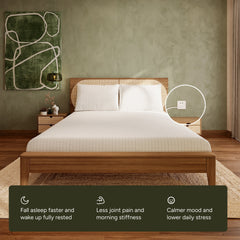


Understanding Your Body's Electrical State
Your body runs on electricity. Every cell maintains a membrane potential; nerves fire through rapid voltage shifts; the heart’s rhythm is an electrical signal you can see on an ECG. Fluids rich in electrolytes make you a good conductor, and the skin can hold transient surface charges that change with your environment.
Modern living makes it easy to accumulate charge. Insulating shoes, synthetic carpets, and dry indoor air boost static build-up through the triboelectric effect. Meanwhile, the alternating electric fields from household wiring can induce measurable voltages on the body, especially when you’re in bed near cords and devices. These factors can leave you “floating” above ground, rather than in a natural electrical balance.
Grounding connects you to the Earth’s vast electron reservoir, equalizing your potential to roughly zero. In practical terms, it helps balance body electrical charge. This can be as simple as walking barefoot on damp grass or as convenient as using a conductive bedsheet or mat connected to a verified ground. If you measure body voltage with a multimeter while lying in a typical bedroom, then connect to ground, you’ll often see a 10–100x drop, reflecting less coupling to ambient electric fields.
Why does that matter? Equalizing potential may influence systems that depend on stable bioelectric signaling:
- Less static and lower induced body voltage can reduce sensory irritation and micro-arousals that fragment rest, supporting grounding for better sleep.
- Small studies have observed shifts toward parasympathetic (rest-and-digest) dominance and improved heart rate variability after grounding, consistent with a calmer autonomic state.
- Preliminary research reports changes in blood viscosity and certain immune markers after grounding, suggesting a possible pathway to help reduce body inflammation and pain perception, especially after strenuous exercise.
- Pilot data indicate more normalized cortisol rhythms, which may align with reports of better sleep onset and morning energy.
These findings are early and not a substitute for medical care, but they outline plausible mechanisms for earthing benefits health without drugs or stimulants.
Concrete ways to reconnect with earth energy:
- Outdoors: 20–30 minutes barefoot on moist grass, soil, or sand. Moisture improves conductivity.
- Indoors: A fitted grounding bedsheet or mat connected to the ground port of a properly wired outlet or a dedicated ground rod. Use an outlet tester to confirm a valid ground before use, and keep cords away from power sources and extension strips.
For many, nighttime is the most impactful window. Hours of contact while you sleep provide a sustained opportunity to maintain natural electrical balance, potentially easing overactive stress responses and supporting deeper, more consolidated rest.
The Consequences of Electrical Imbalance
Your body runs on bioelectricity. Nerve impulses, heart rhythms, and cellular signaling all depend on finely tuned voltage gradients. When daily habits insulate you from the ground and stack up excess charge, that balance can drift. Over time, an inability to balance body electrical charge may show up as sleep disruption, persistent tension, or amplified pain sensitivity.
Modern life makes imbalance more likely. Rubber-soled shoes, synthetic flooring, and elevated living spaces prevent charge from dissipating. Hours around powered devices can contribute to static buildup. At night, insulated mattresses and bedding can keep you electrically isolated for eight more hours. This steady separation from the Earth’s surface reduces opportunities to reconnect with earth energy and restore a natural electrical balance.
Why it matters:
- Autonomic stress load: Electrical isolation is associated with sympathetic “fight or flight” dominance. Early studies on grounding found shifts toward parasympathetic activity and more favorable heart-rate variability, which correlates with calmer mood and better resilience.
- Sleep architecture: Preliminary trials report grounding for better sleep, including fewer nighttime awakenings and improved morning alertness. A more balanced electrical state may support a healthier cortisol rhythm, making it easier to wind down at night and feel energized in the morning.
- Inflammation and pain: Excess oxidative stress is a known driver of soreness and chronic discomfort. Some small studies and case reports suggest that contact with the Earth can help reduce body inflammation markers and perceived pain after injury or strenuous exercise, potentially by supplying electrons that neutralize free radicals. While larger trials are needed, many users report easier recovery and less morning stiffness.
- Blood flow: Limited research indicates changes in red blood cell charge and reduced viscosity after grounding, which could support better microcirculation—important for tissue repair and overall vitality.
Practical signs you may be electrically out of balance include frequent static shocks, restless legs or fidgeting at night, tight shoulders or jaw that don’t relax easily, headaches at the end of screen-heavy days, and delayed recovery after workouts. These symptoms are nonspecific, but together they can point to cumulative stress on bioelectrical systems.
Restoring balance doesn’t require drastic lifestyle changes. Simple practices—barefoot time on conductive ground when available, or indoor earthing solutions like grounded bedsheets and mats—create a low-resistance path to the Earth. For many, integrating this contact delivers noticeable earthing benefits health, from calmer evenings to more consistent energy and mood. By re-establishing a steady reference to the planet’s surface, you support the body’s inherent capacity to regulate charge naturally and feel the difference where it counts: sleep, stress, pain, and everyday performance.
Introduction to Earthing and Grounding
Your body is an electrical system. Nerves signal through voltage changes, the heart is governed by electrical rhythms, and cells use electron flow to generate energy. Earthing—also called grounding—is the practice of connecting your skin to the Earth so you can help balance body electrical charge and restore natural electrical balance. The Earth’s surface carries a near-constant negative potential; when you touch it directly, your body’s voltage tends to equalize with that reference.
In modern life, we spend most hours on insulated surfaces and inside electric fields from devices and wiring. This can leave the body with fluctuating voltages and accumulated static. Grounding provides a simple pathway to discharge excess charge and reduce the electric fields induced on the body.

Practically, earthing can be as simple as barefoot contact with grass, soil, or sand. Indoors, conductive systems connected to a verified Earth ground—such as fitted grounding bedsheets, grounding bed mats, or starter kits—extend the same pathway to your bedroom or workspace. These solutions enable indoor earthing/grounding when weather, location, or schedules limit outdoor time.
Why do people practice it? Reports and early research outline several earthing benefits health:
- Lowering body voltage: Measurements often show immediate drops in induced AC body voltage when grounded, especially near household wiring.
- Sleep and circadian support: Small studies have observed improvements in sleep quality and normalized overnight cortisol rhythms, aligning with grounding for better sleep.
- Pain and inflammation: Preliminary trials and user reports suggest reduced pain and faster recovery; proposed mechanisms include increased electron availability that may help neutralize reactive species and reduce body inflammation.
- Stress regulation: Some studies note shifts toward parasympathetic dominance and improved heart rate variability, consistent with calmer mood and focus.
Concrete examples you can test:
- Sleep: Use a fitted grounding sheet connected to a grounded outlet port; track time-to-sleep and nighttime awakenings for two weeks.
- Workday stress: Place a grounding mat under your desk and compare afternoon tension or headaches on grounded vs. non-grounded days.
- Recovery: After a strenuous workout, rest with feet on a grounding mat for 30–60 minutes and note soreness the next day.
Safety and setup matter. Only connect via a dedicated ground port or a verified ground rod, never to live electrical terminals. Use a simple outlet tester to confirm grounding. If you have an implanted electronic device, consult your clinician before starting.
Earthing is a low-effort way to reconnect with earth energy and explore whether a steadier electrical state helps you feel and function better. For many, it’s a practical tool to support sleep, stress resilience, and overall vitality through a straightforward return to the body’s natural electrical balance.
How Grounding Restores Electrical Balance
Modern living insulates us from the Earth with rubber soles, elevated floors, and synthetic materials. This isolation allows the body to develop an electrical potential relative to the ground through static buildup and capacitive coupling with indoor electronics. Grounding restores natural electrical balance by bringing the body to the same electric potential as the Earth, helping to balance body electrical charge and quiet the nervous system’s response to ambient fields.
What changes when you’re grounded
- Equalized potential: Direct skin contact with the Earth—or with a grounded surface—rapidly discharges static and equalizes your body’s voltage to near 0 V relative to ground. With a simple body-voltage meter, people commonly see readings drop from several volts AC to a few millivolts when they lie on a grounded bedsheet or place their feet on a grounded mat.
- Electron availability (proposed mechanism): The Earth’s surface holds a net negative charge. Proponents suggest that grounding allows free electrons to flow to the body, potentially helping neutralize excess reactive oxygen species. Preliminary studies and small controlled trials report changes consistent with a dampened inflammatory response, which may help reduce body inflammation after stress or exercise.
- Autonomic balance: Pilot research has observed shifts in heart rate variability and a normalization of diurnal cortisol rhythms with nighttime grounding, aligning with reports of reduced stress, calmer mood, and grounding for better sleep.
- Pain and recovery: Small blinded studies of grounded vs. sham-grounded patches have found improvements in self-reported pain and sleep quality. While larger trials are needed, these outcomes, combined with plausible biophysical effects, outline how earthing benefits health for some individuals.
Practical ways to reconnect with Earth energy indoors
- During sleep: Terra Therapy Fitted Grounding Bedsheets and Grounding Bed Mats maintain gentle skin contact for hours, the period when the body does most of its repair. Users often report fewer awakenings and easier morning wake-ups—consistent with research showing improved sleep quality with nighttime grounding.
- At your desk: A Grounding Mat under bare feet or wrists can reduce static buildup and lower induced body voltage during long computer sessions, supporting a steadier, more relaxed focus.
- Getting started safely: Terra Therapy Essential Grounding Starter Kits provide what you need to connect to a verified ground source via the ground-only port of a properly wired outlet or a dedicated grounding rod. Always confirm a true ground and follow instructions; grounding products do not carry current and are not a substitute for medical care.
By regularly equalizing your body’s potential with the Earth, you support a natural electrical balance that may ease inflammatory burden, quiet stress responses, and improve sleep architecture—tangible foundations for better daily energy and long-term vitality.
Key Health Benefits of Grounding
Grounding gives the body an electrical reference to the Earth, allowing excess surface charge to dissipate and free electrons to flow to areas of need. This can help balance body electrical charge and support natural electrical balance in tissues that transmit bioelectric signals for sleep, mood, and repair.
Grounding for better sleep
- What the research suggests: Small controlled studies have reported shorter time to fall asleep, fewer nighttime awakenings, and a shift toward a more normal 24‑hour cortisol rhythm when participants slept on grounded bedding.
- Why it may work: By calming overactive sympathetic activity and stabilizing nighttime cortisol, the brain’s sleep–wake circuitry can settle.
- Practical example: Using a fitted grounded bedsheet for two weeks, many people notice less tossing and turning and wake feeling more restored.
Stress resilience and mood
- Autonomic balance: Earthing has been associated with improvements in heart‑rate variability (HRV), a marker of parasympathetic (rest‑and‑digest) tone, indicating better stress regulation.
- How it feels: A grounded desk mat during a 20–30 minute break often yields a calmer, less “wired” state and steadier energy through the afternoon.
Pain and recovery
- Inflammation signaling: Preliminary studies suggest grounding may reduce body inflammation by supplying electrons that can neutralize reactive oxygen species and dampen inflammatory cascades.
- Soreness and healing: Trials in athletes and post‑exercise models have reported less delayed‑onset muscle soreness and quicker functional recovery.
- Daily example: People with desk‑related back or neck tightness often report decreased baseline discomfort after consistent nightly grounding.
Circulation and blood flow

- Blood viscosity: Pilot research shows reduced red blood cell aggregation and improved zeta potential with grounding, changes linked to smoother microcirculation.
- What that supports: Warmer extremities, fewer “pins and needles,” and quicker recovery after exertion. Individuals on anticoagulants should consult a clinician before making changes.
Immune and cytokine balance
- Early findings: Some studies note shifts in white blood cell activity and cytokine profiles after regular earthing, suggesting a potential recalibration of inflammatory tone. More rigorous trials are needed.
Everyday ways to reconnect with earth energy indoors
- Sleep: Fitted grounding bedsheets or bed mats maintain contact for 6–8 hours, the easiest way to accrue benefits passively.
- Work: A grounding mat under your bare feet while at a computer can reduce end‑of‑day tension and leg fatigue.
- Recovery: Short sessions on a grounded surface after workouts may limit next‑day soreness.
Important notes
- Evidence is promising but still emerging; responses vary.
- Use properly grounded outlets and quality connectors. If you have implanted electronic devices or complex medical conditions, consult your healthcare provider.
For wellness seekers, the core earthing benefits health story is straightforward: restore a stable electrical reference, balance body electrical charge, and support systems—sleep, stress, pain, and circulation—that drive daily vitality.
Practical Ways to Earth at Home
Earthing at home can be simple and consistent, which matters if your goal is to help balance body electrical charge throughout the day and night. Start by choosing one or two touchpoints you use daily—sleeping, working, or relaxing—and make direct skin contact routine.
Sleep-based grounding
- Use a fitted grounding bedsheet or a bed mat placed where your calves, thighs, or back rest. More skin contact means more consistent conduction overnight.
- Connect the cord to the ground port of a properly grounded outlet. Verify ground with an outlet tester before first use.
- Keep the conductive surface directly against skin. Avoid extra blankets or thick mattress pads between you and the sheet/mat.
- Wash on gentle, skip fabric softeners and bleach, and tumble dry low to maintain conductivity.
- Many people begin with nightly use for at least two weeks and track sleep with a simple journal (bedtime, wake time, wake-ups, perceived restfulness) to gauge grounding for better sleep.
Workstation grounding
- Place a grounding mat under bare feet or under your wrists at a desk. Consistent 2–4 hour sessions while working are an easy way to accumulate contact time.
- If your space has older wiring, consider an Essential Grounding Starter Kit that includes a ground checker and, where permitted, a ground rod/lead for a direct earth reference.
Movement and relaxation
- During stretching, yoga, or reading, sit or lie with a grounding mat under the legs, palms, or lower back. Moist skin improves conductivity; a light mist of water on feet can help if the air is dry.
Outdoor options at home
- Barefoot contact on natural ground—grass, soil, sand—is effective. Unsealed, damp concrete also conducts; wood and asphalt do not.
- Aim for 20–30 minutes on most days. This routine can help you reconnect with earth energy and support a more natural electrical balance.
Apartment-friendly tips
- Test outlets to confirm a safe ground. If outlets are ungrounded, consult an electrician or use a permitted ground rod solution from a window to moist soil. Do not connect to radiators or random metal pipes, which may not be earth-referenced.
What to expect and how to measure
- Some people report calmer mood and fewer nighttime awakenings within days; for others, benefits build over weeks. Preliminary research suggests earthing may influence inflammatory markers and perceived pain, which can help reduce body inflammation and tension over time.
- If you like data, measure body voltage relative to ground with a meter before and during contact; lowering body voltage indicates you are equalizing with ground.
Safety notes
- Connect only to the ground port of a properly wired outlet or a dedicated ground rod. Never to live or neutral slots.
- Disconnect outdoor ground rod leads during electrical storms.
- Grounding is not a medical treatment; consult a clinician for persistent symptoms.
With fitted grounding bedsheets for nighttime and a mat for your most-used chair, you create effortless, repeated contact points that support natural electrical balance and the potential earthing benefits health seekers value.
Selecting Quality Grounding Products
Choosing the right gear is key to safely balance body electrical charge and feel consistent results. Focus on build quality, verified conductivity, and proper safety features rather than just fabric type or color.

Match the product to your goal
- Grounding for better sleep: Fitted grounding bedsheets or bed mats deliver full-night contact. A fitted design stays in place and maximizes skin contact.
- Daytime use: Desk and floor mats help reduce body voltage during computer work or standing tasks.
- Localized support: Smaller pads or bands target specific areas if you’re aiming to reduce body inflammation in one spot.
Assess conductive materials
- Silver-fiber textiles: Look for tightly woven cotton or bamboo with 8–15% silver thread. Higher silver content generally improves conductivity and durability. Avoid blends reliant on thin conductive prints that wear off quickly.
- Carbon-infused mats: Quality mats use carbon-infused polyurethane (PU) with uniform surface resistance. They’re easy to wipe clean and ideal where moisture or lotions might contact fabric.
- Consistent conductivity: Ask for surface resistance ranges (often in the 10^5–10^7 ohm range) and continuity testing results across the product, not just at a single point.
Verify safe electrical design
- In-line resistor: A 100 kΩ to 1 MΩ resistor in the cord is a standard safety element that limits current in the unlikely event of a fault.
- Robust connectors: Stainless-steel or nickel-plated snaps reduce corrosion. Cords should be strain-relieved and replaceable.
- Ground source: Use a properly grounded outlet (verify with a simple 3-light tester) or a dedicated grounding rod installed to code. When in doubt, consult a qualified electrician.
Look for transparent testing and compliance
- Independent testing: Brands should provide continuity, surface resistance, and body-voltage reduction tests that reflect real use (e.g., multimeter body voltage while lying on the bed).
- Materials compliance: Prioritize products free of lead, phthalates, and harmful additives (e.g., RoHS/REACH declarations).
- Realistic claims: Grounding can lower AC-induced body voltage and help reconnect with earth energy for natural electrical balance. It is not RF shielding and should not be marketed as such.
Prioritize practical details
- Fit and coverage: Choose a fitted sheet that matches mattress size and depth; for toppers, consider a larger mat that covers torso to calves.
- Care instructions: For silver fabrics, use mild detergent, no bleach or fabric softeners, and low-heat drying to preserve conductivity. Avoid lotions/oils before bedtime as they can tarnish silver.
- Warranty and support: Clear return windows, spare cords, and responsive customer service matter for long-term value.
Terra Therapy’s fitted grounding bedsheets, grounding bed mats, and Essential Grounding Starter Kits are designed to make indoor earthing simple. When selected with the criteria above, they can support earthing benefits health seekers value—like grounding for better sleep, less stress, and a steadier, natural electrical balance—while maintaining safety and durability.
Reconnecting for Optimal Well-being
Modern life insulates us from the ground, which can leave the body carrying excess static charge and more susceptible to environmental electrical noise. Re-establishing contact with the Earth helps balance body electrical charge, guiding the body back toward a natural electrical balance that supports calm, rest, and recovery. In simple terms, when you reconnect with earth energy, your body’s surface potential equalizes with the planet’s, much like touching a metal object discharges static.
The mechanism is straightforward physics. The Earth maintains a stable negative potential. When skin contacts a grounded surface, body voltage drops quickly toward zero, and electrons can flow to neutralize positively charged areas at the surface. Laboratory and pilot studies suggest this may help reduce oxidative stress and, in turn, reduce body inflammation. While more large-scale research is needed, early data and user reports point to meaningful earthing benefits health enthusiasts care about: steadier nervous-system tone, lower perceived stress, and grounding for better sleep.
Preliminary clinical research has documented several measurable shifts after regular grounding sessions:
- Improved sleep onset and subjective sleep quality
- More resilient heart rate variability (a marker of stress adaptation)
- A more normalized diurnal cortisol rhythm
- Decreased pain and stiffness ratings
- Reduced red blood cell aggregation, which may support circulation
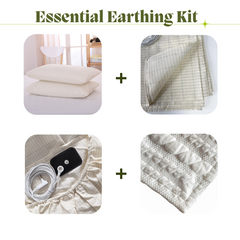
Integrating grounding into daily routines is simple with Terra Therapy’s indoor solutions. Fitted Grounding Bedsheets create continuous contact overnight, the longest recovery window of your day. Grounding Bed Mats slip under your feet at a desk, on a couch, or during meditation to extend benefits into daytime hours. Essential Grounding Starter Kits include the basics to get connected and verify that your outlet is properly grounded.
To optimize results and safety:
- Test the outlet’s ground with the included tester before first use.
- Connect only to a properly grounded outlet or ground rod; never to neutral or live terminals.
- Ensure bare skin contact (hands, feet, calves, or back). Avoid heavy lotions that can insulate.
- Start with 30–60 minutes during the day; use sheets overnight for consistency.
- Keep contact surfaces clean with mild soap and water to maintain conductivity.
- If you have implanted electronic devices, consult your clinician before use.
Concrete examples can help you dial this in. Use a bed mat under your desk during afternoon meetings to steady stress reactivity. Sleep on a fitted sheet for two weeks and track changes in sleep latency, nighttime awakenings, and morning energy. After intense workouts, rest calves or feet on a mat for 60 minutes to gauge effects on next-day muscle soreness.
Reconnecting routinely helps the body settle, promotes a calm autonomic baseline, and may support processes that reduce body inflammation—practical, low-effort steps toward a more resilient, electrically balanced physiology.