


The Modern Sleep Crisis
Sleep problems are now the norm rather than the exception. Public health data suggest roughly one in three adults fails to get the recommended seven hours, and many report trouble falling or staying asleep at least a few nights each week. The result is a cycle of fatigue, irritability, and reduced focus that bleeds into work, relationships, and overall health.
Several forces drive the current surge in sleeplessness:
- Artificial light and screens at night that delay melatonin and disrupt circadian rhythm
- Chronic stress and anxiety keeping the nervous system on high alert
- Caffeine, alcohol, and late meals interfering with sleep architecture
- Sedentary days and insufficient daylight exposure
- Bedroom environments that are too warm, bright, or noisy
- Pain and inflammation conditions that make it hard to get comfortable
- Shift work and jet lag misaligning the body clock
Poor sleep is not just a nighttime issue. It’s linked with impaired cognition, mood changes, higher pain sensitivity, immune dysregulation, and long-term cardiometabolic risk. That’s why a narrow focus on sedatives rarely helps for long. People increasingly seek alternative therapies sleep quality approaches that address root causes and work alongside proven behavioral methods such as CBT‑I.
A pragmatic path starts with sleep foundations—consistent timing, light management, and a calm wind‑down—then layers in holistic sleep solutions. Options include mindfulness or breathwork to downshift the nervous system, light therapy in the morning for circadian anchoring, gentle evening movement or stretching, and select natural sleep aids (for example, magnesium glycinate or tart cherry) when appropriate. Always discuss supplements and persistent insomnia with a clinician.
For those looking to reconnect with nature’s cues, many explore earthing for better sleep. Earthing (grounding) involves direct skin contact with the Earth’s surface or using conductive materials indoors to equalize the body’s electrical potential. Preliminary studies and pilot trials report improvements in perceived sleep quality, reduced nighttime awakenings, and decreases in pain—factors that can reduce stress sleep reactivity. Some research also notes more normalized cortisol rhythms after sleeping grounded. The evidence base is still developing, and individual responses vary, but indoor solutions like grounded bedsheets and bed mats make it easy to test this non‑pharmacological option at home. Current evidence on grounding benefits insomnia is emerging rather than definitive, so consider it one tool within a broader plan.
Practical steps to try tonight:
- Set a fixed sleep window and begin a 30–60 minute wind‑down without screens.
- Dim overhead LEDs; use warm light and night-mode filters after sunset.
- Keep the bedroom dark, quiet, and cool (60–67°F / 15–19°C).
- Avoid caffeine after early afternoon and limit alcohol close to bedtime.
- Spend 10–20 minutes on slow breathing (4–6 breaths/min) or a body scan.
- Use an indoor grounding bedsheet or bed mat during the wind‑down and overnight.
- Get morning daylight and a brief walk soon after waking to reinforce your body clock.
Small, consistent changes—reinforced by gentle, nature‑aligned practices—can compound into meaningful, sustainable improvements in sleep quality.
Exploring Alternative Sleep Therapies
If conventional sleep hygiene hasn’t moved the needle, many people turn to alternative therapies to improve sleep quality without medication. A practical approach is to test low-risk, evidence-informed options for 2–4 weeks, track outcomes, and keep what works as part of holistic sleep solutions.
Earthing and grounding. Connecting your body to the Earth’s electrical potential—outdoors barefoot or indoors via grounded bedsheets and mats—has been linked in small studies to improved sleep, reduced nighttime pain, and calmer stress responses. Some participants show a more normalized cortisol rhythm, which may translate into fewer early awakenings. For earthing for better sleep at home, use a grounded outlet verified with an outlet tester, ensure direct skin contact with the conductive fabric, and be consistent nightly. While research is preliminary, users seeking grounding benefits insomnia often report shorter sleep onset and deeper rest when pairing grounding with relaxation techniques.
Other complementary options to consider:
- Morning light therapy: 10,000 lux for 20–30 minutes within an hour of waking helps anchor circadian rhythm. In the evening, dim screens and lights 2 hours before bed.
- Breathwork and relaxation: The 4-7-8 breathing pattern (inhale 4, hold 7, exhale 8) for 4–8 cycles, or progressive muscle relaxation from feet to head, can reduce stress for sleep and lower pre-bed arousal.
- Gentle movement: 10–15 minutes of slow yoga or stretching in the early evening eases muscle tension; avoid vigorous workouts within 2–3 hours of bedtime.
- Aromatherapy: Diffusing lavender (2–3 drops) or applying a diluted blend to pulse points has modest evidence for reducing anxiety and improving subjective sleep quality.
- Temperature and bathing: A warm shower or bath 60–90 minutes before bed followed by a cool, dark room (about 60–67°F/15–19°C) supports natural melatonin release.
- Weighted blankets: Choose roughly 10% of your body weight to promote a calming, “deep pressure” effect, especially if restlessness is an issue.
- Natural sleep aids: Magnesium glycinate (commonly 200–400 mg) or glycine (about 3 g) taken in the evening may shorten sleep latency for some. Discuss supplements with a clinician, particularly if you take medications or are pregnant.
Sample 30-minute wind‑down: Unplug from bright screens, place feet on a grounding mat or lie on a grounded bedsheet, practice 5 minutes of 4-7-8 breathing, read a paper book with warm light, and diffuse lavender while keeping the room cool. Repeat nightly to reinforce cues.
Measure progress with a simple sleep diary or wearable, noting sleep onset, awakenings, and morning energy. If insomnia persists, cognitive behavioral therapy for insomnia (CBT‑I) remains the gold standard non-drug treatment and pairs well with the approaches above. Seek medical evaluation for loud snoring, witnessed apneas, or persistent daytime sleepiness.
Understanding Earthing and Grounding Principles
Earthing, also called grounding, refers to making direct skin contact with the Earth or with a conductive surface connected to the Earth’s ground. Outdoors, that means bare feet on grass, soil, or sand. Indoors, conductive textiles—such as fitted bed sheets and bed mats that plug into a grounded outlet or a dedicated ground rod—aim to carry the Earth’s potential to your body while you rest.
The core idea is electrical: the Earth maintains a near-constant negative charge. By touching a grounded surface, your body’s electrical potential can equalize with the Earth, allowing static charge to dissipate. Early studies suggest this contact may influence the autonomic nervous system, stress hormones, and inflammatory signaling, which are all linked to sleep quality.
How this may relate to alternative therapies sleep quality:

- Nervous system balance: Pilot studies measuring heart rate variability (HRV) indicate a shift toward parasympathetic (rest-and-digest) activity during grounding, which aligns with easier relaxation at bedtime.
- Cortisol rhythm: Small, preliminary trials have reported changes in 24-hour cortisol patterns with nighttime grounding, potentially supporting more predictable sleep-wake cycles.
- Discomfort and pain: If grounding reduces perceived pain for some users, fewer discomfort-driven awakenings may follow, indirectly aiding insomnia symptoms.
- Stress load: Many people notice a calming effect when grounding is part of their wind-down routine, helping reduce stress sleep disruptions.
What the evidence says:
- A handful of small randomized and crossover studies report subjective improvements in sleep onset, sleep quality, and next-day energy among grounded participants compared to sham conditions.
- Findings are not yet universal or definitive; larger, well-controlled trials are needed. Grounding is best viewed as one of several holistic sleep solutions rather than a standalone cure.
Ways to practice earthing for better sleep:
- Outdoors: 20–30 minutes of barefoot time on natural surfaces late afternoon or early evening.
- Indoors at night: Sleep on a conductive fitted sheet or bed mat connected to a verified ground. Many people with insomnia prefer overnight contact to test grounding benefits insomnia claims firsthand.
- Evening routine: Sit or stretch on a grounded mat during your pre-bed ritual while reading or doing breathwork—pairing grounding with other natural sleep aids can compound relaxation.
Practical considerations:
- Verify your outlet’s ground with a simple outlet tester; use only the ground port—never a live or neutral slot.
- If you feel tingling or discomfort, disconnect and reassess your setup.
- Individuals with implanted electronic devices or specific medical conditions should consult a clinician before use.
Grounding is a low-effort, non-pharmacologic option that can complement nutrition, light exposure, and stress management—forming a rounded, evidence-informed approach to better sleep.
How Grounding Improves Sleep Quality
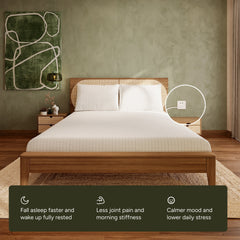
Among alternative therapies sleep quality practices, grounding—also called earthing—offers a simple, non-pharmacological approach you can try at home. The idea is straightforward: maintain gentle, continuous contact with a conductive surface connected to the Earth while you sleep, helping to stabilize your body’s electrical environment. Users commonly report calmer nights, fewer awakenings, and easier mornings.
Why it may help: preliminary studies and user data suggest grounding can nudge the nervous system toward “rest-and-digest” mode, a state associated with lower arousal and improved sleep continuity. Some small pilot trials have also observed shifts in nighttime cortisol patterns and modest improvements in heart-rate variability—signals linked to reduced stress and better sleep architecture. While more robust research is needed, these early findings align with what many sleepers experience subjectively.
What it can feel like in real life:
- Falling asleep faster after getting into bed, rather than “thinking in circles”
- Fewer wake-ups around 2–4 a.m., a common window for stress-related arousal
- Less morning grogginess and a steadier mood during the day
- Reduced perception of aches that otherwise make it hard to get comfortable
How to use grounding products for earthing for better sleep:
- Choose a sleep surface: a fitted grounding bedsheet or a slim bed mat placed under your regular sheet to maintain skin contact.
- Connect correctly: attach the cord to a verified grounded outlet (use an outlet checker) or an approved grounding rod.
- Ensure contact: bare skin against the conductive material is ideal; if using a top sheet, make sure some part of your body (calves, feet, or back) touches the grounded surface.
- Start gradually: begin with a few hours per night and work up to a full night, noting changes in sleep onset, awakenings, and next-day energy.
Combining grounding with other natural sleep aids can compound results. Keep your bedroom cool and dark, reduce blue light 1–2 hours before bed, and maintain a consistent sleep-wake schedule. Many people pair grounding with breathwork or a brief body scan to reduce stress sleep triggers as they settle in.
For those dealing with insomnia symptoms, grounding may be a practical element in holistic sleep solutions. It won’t replace clinical care when needed, but it can complement cognitive behavioral strategies, light exposure timing, and physical activity.
Practical example: wellness seekers using Terra Therapy fitted grounding bedsheets or bed mats often track changes with a sleep diary or wearable. Look for trends—shorter sleep latency, fewer minutes awake after sleep onset, and improved HRV—over 2–4 weeks. If results plateau, adjust placement to increase skin contact or add a grounding pillowcase for more consistent connectivity.
Safety notes: if you have an implanted medical device, consult your clinician before using grounding systems. Always verify outlet grounding and inspect cords regularly.
Grounding is low-effort, repeatable, and easy to integrate into a nightly routine—one reason it’s gaining attention among people exploring grounding benefits insomnia within the broader landscape of alternative therapies sleep quality.
Beyond Sleep: Stress and Pain Relief
Chronic stress and persistent pain often create a loop that undermines sleep, and poor sleep in turn heightens stress reactivity and pain sensitivity. For many, alternative therapies sleep quality improvements come from easing this loop gently and consistently rather than relying on a single “fix.”
Earthing for better sleep is one option within a broader, non-pharmacological plan. Grounding—maintaining conductive contact with the Earth—has been explored in small studies and pilot trials. Participants sleeping grounded have reported reduced perceived stress, improvements in sleep quality, and decreases in morning stiffness or pain. Some experiments also note shifts in biomarkers linked to relaxation, such as heart rate variability patterns favoring parasympathetic activity and more normalized cortisol rhythms. While these findings are preliminary and not a substitute for medical care, they suggest grounding benefits insomnia symptoms for some individuals when combined with other healthy routines.

Practical ways to integrate grounding:
- At night: Use a fitted grounding bedsheet to maintain gentle, uninterrupted contact during sleep. Many people find the consistent routine supports wind-down and fewer awakenings.
- During the day: Place a grounding bed mat under your desk or standing workstation. Daytime sessions may help with tension reduction and calm focus, setting the stage for easier evenings.
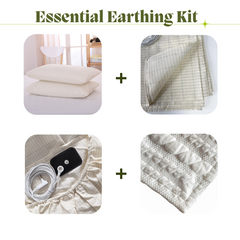
- Starter approach: An essential grounding starter kit can simplify setup and help you test what duration and timing feel best.
Stress and pain relief also benefit from holistic sleep solutions that layer simple, evidence-informed tactics:
- Breathing and relaxation: 4-7-8 breathing, physiological sighs, or progressive muscle relaxation in the evening can lower arousal. A 2–5 minute session can reduce stress sleep disturbances.
- Gentle mobility: Slow stretching or a short yoga flow after work can ease muscle guarding and joint stiffness that otherwise disrupts sleep.
- Heat and comfort: A warm shower or heating pad 60–90 minutes before bed can promote sleepiness by aiding the body’s natural temperature drop at lights-out.
- Light and timing: Morning daylight exposure and a consistent sleep-wake schedule help stabilize circadian rhythms, a foundation for both pain modulation and sleep quality.
- Nutrition basics: Emphasize magnesium-rich foods (leafy greens, nuts, legumes) and limit late caffeine and alcohol, which can worsen both pain and overnight awakenings.
- Mindset supports: Brief journaling, gratitude notes, or CBT-I–informed wind-down routines reduce cognitive hyperarousal.
A sample day might include a grounded work session in the afternoon to ease back tension, a short breathing practice after dinner, and sleeping on a grounded bedsheet to reinforce calm through the night. Most importantly, be consistent for two to four weeks and adjust one variable at a time so you can observe what helps.
Grounding products are not medical devices and aren’t a cure for chronic conditions. If you have a pacemaker, are pregnant, or manage complex pain or sleep disorders, consult your clinician before adding new tools. Used thoughtfully, grounding can complement natural sleep aids and contribute to a calmer nervous system that’s more resilient to stress and pain.
Easy Ways to Practice Indoor Grounding
Bringing the benefits of earthing indoors is straightforward and fits seamlessly into a bedtime routine. As part of alternative therapies sleep quality strategies, the goal is simple: maintain gentle skin contact with a conductive surface connected to a verified ground so your body equalizes with the Earth’s electrical potential.
How it works in practice:
- Conductive textiles or mats connect to your home’s grounding system via a grounded outlet or a grounding rod.
- When your skin touches the surface, you’re brought to ground potential, which may help calm the nervous system. Early studies and many user reports suggest improvements in sleep onset, nighttime awakenings, stress perception, and morning energy, though responses vary.
Practical ways to start indoors:
- Fitted grounding bedsheets: Replace your regular fitted sheet with a conductive one so calves, thighs, or torso maintain skin contact through the night. This is the most hands-off option for earthing for better sleep.
- Grounding bed mats: Position a mat where your legs and feet naturally rest. For best conductivity, ensure direct skin contact (bare legs or feet).
- Desk and couch mats: During the day, rest your forearms on a mat while typing or place your feet on it while reading. Even 30–60 minutes can help you unwind before bed.
- Essential grounding starter kits: Ideal for first-time users, these include the cord, outlet checker, and contact surface so you can set up correctly in minutes.
Simple setup checklist:
- Test the outlet. Use an outlet checker to confirm a true ground before connecting.
- Connect only to the ground port. Never plug into the hot or neutral slots.
- Use the provided safety resistor in the cord (standard in quality kits).
- Maintain skin contact. Avoid thick socks or pajamas where the contact point meets the sheet or mat.
- Start gradually. Try 30–60 minutes in the evening, then progress to overnight use.
Maintenance tips:
- Keep surfaces clean to preserve conductivity. Follow care directions and use mild detergent (avoid fabric softeners that can leave insulating residues).
- Rotate contact areas to keep consistent skin contact if you move during sleep.
What to expect:
- Many people notice relaxation and a shorter time to fall asleep within days; others observe changes over several weeks. Track bedtime, wake time, and awakenings to gauge progress.
- If you use implantable medical devices or have specific health concerns, consult your clinician before starting.
Pair grounding with other natural sleep aids for a comprehensive plan:
- Dim lights 60–90 minutes before bed, keep the room cool, and reduce evening screens to help reduce stress sleep.
- Keep a consistent schedule and limit late caffeine or alcohol for holistic sleep solutions.
While research continues, some individuals with insomnia report positive experiences—potential grounding benefits insomnia—when combining indoor earthing with solid sleep hygiene. Starting with a fitted sheet, bed mat, or a Terra Therapy starter kit makes it easy to test what works for you.
Choosing Your Grounding Products
Selecting the right setup starts with how you sleep and how much direct skin contact you want overnight. As part of alternative therapies sleep quality strategies, aim for steady, comfortable contact with a grounded surface while keeping your usual routine intact.
- Fitted Grounding Bedsheets: Best for all‑night contact. Choose the same size as your mattress for full coverage, especially if you share a bed. A fitted sheet exposes more skin surface area, which many users prefer when exploring earthing for better sleep. Look for breathable cotton blended with conductive silver fibers and a secure snap connection to the grounding cord. If you tend to change positions or are researching grounding benefits insomnia, a sheet provides continuous contact without needing to “aim” for a smaller mat.
- Grounding Bed Mats: Ideal if you love your current linens or sleep hot. Place a mat under the fitted sheet along your torso or at the foot of the bed to target legs and feet. Mats are versatile—move them to the couch for evening wind‑downs or under a desk for daytime use to help reduce stress sleep disruptions. For restless legs, position the mat lengthwise along calves; for lower‑back tension, center it under the lumbar area.
- Essential Grounding Starter Kits: A practical entry point if you’re new to holistic sleep solutions. Kits typically bundle a sheet or mat with a grounded cord and outlet tester so you can verify a safe connection. Start with a mat if you want flexibility across bed, sofa, and workspace; choose a sheet if your priority is overnight consistency.
Set‑up details matter. Always use the included outlet tester to confirm your wall outlet is properly grounded before connecting. In older homes without a reliable ground, consider a dedicated grounding rod installed according to local electrical codes. Maintain direct skin contact; a single thin cotton layer over a mat can work, but multiple thick layers reduce conductivity. Follow manufacturer guidance about disconnecting during electrical storms and avoid modifying cords or adapters.

Care extends product life. Wash conductive textiles on gentle with mild detergent, no bleach or fabric softener, and tumble dry low. Silver fibers naturally oxidize over time; with regular use and proper care, conductive performance is typically durable for many sleep cycles.
To amplify natural sleep aids, pair grounding with a consistent bedtime, low evening light, a cool bedroom, and brief breathwork. Many wellness seekers stack these habits with earthing for better sleep to pursue incremental, compounding gains. If you’re unsure where to start, a fitted grounding bedsheet offers the most passive, set‑and‑forget option; a mat offers targeted flexibility; and a starter kit covers the essentials for safe, simple testing.
Embrace Natural Wellness for Sleep
Improving rest doesn’t have to rely on medication alone. Many people are turning to alternative therapies sleep quality strategies that target the nervous system, circadian rhythm, and environment. One accessible option is grounding, or “earthing,” which connects your body to the Earth’s electrical potential indoors through conductive bedding or mats.
Earthing for better sleep is simple to integrate. A fitted grounding bedsheet or bed mat plugs into a grounded outlet or a grounding rod, allowing electrons to flow through the sheet’s conductive fibers while you lie in bed. Terra Therapy’s fitted grounding bedsheets and bed mats are designed for nightly use, so you can build the habit without changing your routine.
Preliminary research suggests that grounding may help normalize daily cortisol rhythms, reduce perceived stress, and ease pain—factors that often disrupt sleep. While large-scale clinical trials are still limited and evidence on grounding benefits insomnia symptoms is emerging, many users report fewer nighttime awakenings and calmer pre-sleep states. Because grounding is low-effort and non-invasive, it fits well alongside other natural sleep aids and holistic sleep solutions.
Combine grounding with proven sleep hygiene to amplify results:
- Light: Two hours before bed, dim overheads and switch devices to warm modes. Get 10–20 minutes of morning daylight to anchor your circadian clock.
- Temperature: Keep the bedroom cool (60–67°F/15–19°C). A warm shower 60–90 minutes before bed can help your core temperature drop.
- Sound: Use a fan or white noise to mask sudden sounds without fully waking you.
- Nutrition: Avoid heavy meals and alcohol late at night; limit caffeine after midday. If needed, a small snack pairing protein with complex carbs can prevent 3 a.m. wake-ups from hunger.
- Movement: Daytime walks and resistance exercise improve sleep pressure, but finish vigorous workouts 3–4 hours before bedtime.
Create a 45-minute wind-down that reduces arousal so you can reduce stress, sleep more deeply:
1) Plug in your grounding bedsheet or mat and make the bed.
2) 5 minutes of box breathing (inhale 4, hold 4, exhale 4, hold 4).
3) 10 minutes of gentle stretching or legs-up-the-wall.
4) Brief journaling to offload tasks and worries.
5) Optional: calming scents like lavender if you tolerate aromatherapy.
For daytime support, a grounding mat under your desk or on the couch can provide consistent contact while you work or read. Terra Therapy’s Essential Grounding Starter Kits make it straightforward to set up both sleep and daytime stations.
If chronic insomnia, pain, or mood concerns persist, consult a healthcare professional to rule out underlying conditions. Used thoughtfully, grounding, smart light and temperature cues, and calming routines offer a practical, natural framework to improve sleep quality and daytime energy.