



Understanding Pain and Inflammation
Pain is the body’s protective alarm system. It can arise from different sources: nociceptive pain from tissue injury or inflammation (e.g., osteoarthritis, tendonitis), neuropathic pain from nerve damage or compression (e.g., sciatica, diabetic neuropathy), and nociplastic pain, where the nervous system becomes hypersensitive without clear ongoing tissue damage (e.g., fibromyalgia). Understanding which mechanisms are at play helps guide effective, non-pharmacological pain relief.
Inflammation is central to many pain conditions. Acute inflammation is short-lived and helpful—immune cells clear debris, cytokines signal repair, and swelling protects the area. When inflammation becomes chronic, low-grade signals like TNF-α, IL-6, and CRP can persist and sensitize nerves, amplifying pain with minimal provocation. For example, a knee with osteoarthritis may show elevated inflammatory mediators that keep joint nociceptors “on edge,” even after activity stops.
The nervous system itself adapts in ways that can prolong pain. Central sensitization—an increase in spinal cord and brain responsiveness—can make normal sensations feel painful. Glial cells in the spinal cord can release pro-inflammatory chemicals, further fueling sensitivity. Autonomic imbalance (sympathetic overdrive, reduced vagal tone) and HPA-axis dysregulation (flattened cortisol rhythms) can sustain both pain and inflammation, linking stress, poor sleep, and pain perception.
Common drivers that sustain low-grade inflammation include:
- Sleep disruption: even a single night of curtailed sleep can raise inflammatory cytokines; chronic sleep debt worsens pain thresholds.
- Psychological stress: persistent stress elevates cortisol and catecholamines, which can disturb immune signaling and heighten central sensitization.
- Diet and metabolism: ultra-processed foods, excess sugar, and low omega-3 intake promote inflammatory pathways; insulin resistance correlates with systemic inflammation.
- Inactivity and deconditioning: reduced movement stiffens tissues and impairs anti-inflammatory myokine release from muscles.
- Gut dysbiosis: an imbalanced microbiome may increase intestinal permeability and immune activation, affecting pain via the gut–brain axis.
These mechanisms explain why holistic pain management looks beyond the painful area. Natural inflammation remedies and alternative pain solutions target underlying biology:
- Restorative sleep: consistent sleep-wake timing and light management help normalize cortisol and reduce cytokine load.
- Gentle movement: walking, mobility, and graded strength work stimulate anti-inflammatory myokines, improve joint lubrication, and recalibrate sensitivity.
- Nutritional shifts: higher intake of omega-3s (e.g., fatty fish), polyphenols (berries, olive oil), and spices such as turmeric (curcumin) supports anti-inflammatory pathways while limiting refined sugars and trans fats.
- Stress modulation: slow breathing, mindfulness, and biofeedback increase heart-rate variability and vagal tone, countering sympathetic overdrive.
- Thermal and manual therapies: heat boosts circulation; cold can temper acute swelling; massage and myofascial release reduce muscle guarding.
- Grounding for chronic pain: preliminary studies suggest that earthing—direct skin contact with the Earth or conductive grounding indoors—may influence autonomic balance, sleep quality, and perceived pain. While research is evolving, some individuals report benefit as part of drug-free pain treatment.
Mapping your pain type, inflammatory drivers, and nervous system state creates a foundation for personalized, non-pharmacological pain relief that addresses root causes rather than only masking symptoms.
Mind-Body Connection for Relief
Pain is not only a signal from tissue; it is shaped by attention, emotion, stress, beliefs, and sleep. Targeting these pathways offers non-pharmacological pain relief by quieting the nervous system, improving mood, and reducing protective muscle guarding that amplifies discomfort. This is a core pillar of holistic pain management.
Key mind-body strategies you can start today:
- Mindfulness practice
- What it is: Training attention to notice sensations and thoughts without judgment.
- Why it helps: Reduces catastrophizing and reactivity, which can lower perceived intensity and improve function.
- How to try: 10–20 minutes of a body scan or breath-focused meditation daily. When pain spikes, label sensations (“tight,” “warm,” “pulsing”) and return to the breath.
- Breathwork to calm the stress response
- Diaphragmatic breathing at 4–6 breaths per minute increases vagal tone and downshifts sympathetic arousal.
- Try box breathing (4-4-4-4) or extended exhale breathing (inhale 4, exhale 6–8) for 5 minutes, 2–3 times per day.
- Cognitive and behavioral tools
- Cognitive reframing reduces fear and threat by challenging “I’m damaging my back” thoughts and replacing them with accurate, supportive scripts.
- Pain reprocessing and somatic tracking involve noticing pain as safe (though uncomfortable), then moving gently into feared movements to reduce alarm over time.
- Pacing: Alternate activity and rest to avoid boom-bust cycles that sensitize the system.
- Relaxation and biofeedback
- Progressive muscle relaxation releases guarding; move from feet to head, tensing 5 seconds, releasing 10–15.

- HRV or EMG biofeedback teaches you to see stress responses in real time and self-regulate.
- Guided imagery and visualization
- Combine slow breathing with imagery (e.g., warmth spreading through tense areas) to reduce anxiety and perceived pain.
- Mindful movement
- Gentle yoga or tai chi blend breath, attention, and graded movement; studies show benefits for low back pain and osteoarthritis.
- Start with 10–15 minutes of low-load, pain-free ranges and build gradually.
Natural inflammation remedies often work indirectly by improving sleep and reducing stress hormones. One accessible option is grounding. Earthing involves direct skin contact with the Earth (grass, soil, sand) or using grounded conductive tools indoors. Early research and many user reports suggest potential benefits for sleep quality and stress, which can translate into better pain control for some people.
Practical ways to explore grounding for chronic pain:
- Barefoot time outdoors for 20–30 minutes when feasible.
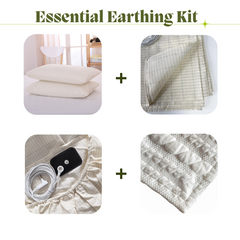
- At-home options such as grounded bedsheets or desk mats to enable drug-free pain treatment routines during sleep or work.
- Build a consistent schedule: pair a 5-minute breathing session with grounding before bed to prime relaxation.
- If using an indoor product, follow safety instructions and connect only to a properly grounded outlet.
A sample routine many find sustainable:
- Morning: 5 minutes of extended-exhale breathing, 10 minutes of tai chi.
- Midday: 2-minute micro-breaks with diaphragmatic breaths and shoulder relaxation.
- Evening: 10-minute body scan, brief journaling to offload worries, and sleep on a grounded surface to support rest.
Track what changes your pain the next day (sleep hours, stress, movement volume) and adjust one variable at a time. Mind-body approaches are alternative pain solutions best used consistently and alongside guidance from a qualified clinician, especially if symptoms change or intensify.
Dietary Choices for Anti-Inflammation
Chronic, low-grade inflammation can amplify pain signaling and slow recovery. Diet is one of the most accessible levers for non-pharmacological pain relief, with strong evidence supporting Mediterranean-style eating patterns rich in whole, minimally processed foods.
Build your plate around anti-inflammatory staples:
- Fatty fish: Salmon, sardines, and mackerel provide marine omega‑3s (EPA/DHA), which can modulate inflammatory pathways. Aim for 2 servings weekly.
- Colorful plants: Berries, cherries, leafy greens, tomatoes, and cruciferous vegetables deliver polyphenols and carotenoids linked to reduced inflammatory markers.
- Healthy fats: Extra-virgin olive oil, avocados, olives, and a handful of nuts (walnuts, almonds) support a favorable lipid profile and satiety.
- High-fiber carbs: Steel-cut oats, quinoa, farro, beans, and lentils help stabilize blood sugar and feed a microbiome that produces anti-inflammatory short-chain fatty acids.
- Herbs and spices: Turmeric (curcumin), ginger, garlic, cinnamon, and rosemary offer concentrated phytonutrients. For turmeric, pair with black pepper and a fat source to improve absorption.
Consider targeted additions with clinical support:
- Omega‑3s: If you don’t eat fish regularly, discuss a quality EPA/DHA supplement with your clinician (common ranges: 1–2 g/day).
- Magnesium: Often low in modern diets; foods include pumpkin seeds, beans, leafy greens, and dark chocolate. Supplementation can aid muscle relaxation in some people.
- Vitamin D: Important for immune regulation; test and personalize dosing.
Limit pro-inflammatory drivers:
- Added sugars and refined grains: Sodas, candies, pastries, and white breads spike glucose and can increase inflammatory signaling.
- Trans fats and ultra-processed snacks: Check labels for “partially hydrogenated oils.”
- Processed meats and excess alcohol: Associated with higher inflammatory markers; choose lean, minimally processed proteins instead.
- Imbalanced fats: Typical Western diets are high in omega‑6 relative to omega‑3. You don’t need to eliminate omega‑6 foods, but prioritize omega‑3 sources and olive oil over deep-fried foods.
Support the gut–pain axis:
- Eat 25–35 g of fiber daily from diverse plants.
- Include fermented foods (yogurt, kefir, kimchi, sauerkraut) several times per week to enhance microbial diversity.
A simple day of eating for holistic pain management:
- Breakfast: Steel-cut oats with walnuts, blueberries, cinnamon, and a dollop of yogurt.
- Lunch: Lentil and vegetable soup with a side salad dressed in extra-virgin olive oil.
- Snack: Carrot sticks with hummus; green tea.
- Dinner: Grilled salmon, quinoa, and roasted broccoli with turmeric-ginger olive oil.
- Dessert: Cherries or a square of 85% dark chocolate.
If symptoms suggest sensitivities (e.g., flare-ups after dairy or gluten), try a structured elimination trial (2–4 weeks) with professional guidance, then reintroduce one item at a time. Evidence for avoiding nightshades is mixed; personalize based on your response.
Combine nutrition with complementary natural inflammation remedies for a comprehensive, drug-free pain treatment plan. Gentle movement, stress reduction, and grounding for chronic pain—such as using indoor earthing tools to improve sleep and calm the nervous system—can work alongside dietary changes as alternative pain solutions.

Track meals, sleep, and pain intensity for 4–6 weeks to identify patterns and refine your approach. Consistency matters more than perfection.
Movement and Exercise Benefits
Regular movement is one of the most reliable forms of non-pharmacological pain relief. It calms an overprotective nervous system, restores joint mobility, and rebuilds strength and confidence—key drivers of long-term function.
Why it works: exercise triggers anti-inflammatory myokines, improves circulation and lymphatic flow, lubricates joints via synovial fluid, and releases endorphins that modulate pain. It also reduces stress reactivity and improves sleep—both central to holistic pain management and natural inflammation remedies.
What to do, and how to start:
- Walking: Begin with 10 minutes at a comfortable pace, 5–6 days/week. Add 2–3 minutes weekly until you reach 30 minutes. Flat routes first; introduce gentle hills later if tolerated.
- Mobility: Spend 5–10 minutes daily on spine, hips, and ankles. Examples: cat–cow, hip flexor stretch, ankle circles, thoracic rotations. Move within a pain-tolerable range.
- Strength training: 2–3 sessions/week on non-consecutive days. Prioritize major muscle groups with bands or light weights (2–3 sets of 6–12 reps). Examples: sit-to-stands, supported split squats, hip hinges, rows, wall push-ups. For knee osteoarthritis, emphasize quadriceps (terminal knee extensions) and hips (glute bridges, clamshells).
- Mind–body exercise: Yoga, tai chi, or Pilates 1–3 times/week enhances balance, breathing, and body awareness; helpful in low back pain and fibromyalgia.
- Low-impact cardio: Cycling, elliptical, or pool walking at an RPE of 4–6/10 for 15–25 minutes, progressing gradually. Warm water (28–32°C) can ease stiffness.
Use graded exposure and pacing:
- Find a baseline you can do on your worst day, then increase volume by about 10% weekly.
- Pain “traffic light”: Green (0–3/10, acceptable), Amber (4–6/10 that settles within 24 hours—adjust next session), Red (>6/10 or symptoms lasting >24 hours—reduce intensity/volume and allow recovery).
Make it practical:
- Sprinkle movement “snacks” every 30–60 minutes: 10 calf raises, 5–8 sit-to-stands, 1-minute shoulder and neck mobility.
- Pair breathwork with movement to downshift the nervous system: 4–6 breaths/minute during cool-down or gentle stretching.
Grounding for chronic pain can complement your routine. Barefoot walks on natural surfaces add sensory input and may support relaxation outdoors. Indoors, simple stretches, ankle pumps, or diaphragmatic breathing can be done while in contact with grounding bedsheets or mats, offering an easy way to pair gentle movement with earthing when outdoor access is limited. Consistency is a core advantage of this approach.
Safety first:
- Check with a clinician if you have cardiovascular disease, uncontrolled metabolic conditions, severe osteoporosis, neuropathy, or recent surgery.
- During inflammatory flares, keep moving but reduce load (short walks, aquatic work, range-of-motion).
- Avoid sustained, heavy spinal flexion if you have osteoporosis; use supportive footwear if balance is limited; inspect feet regularly if you have neuropathy.
A structured, progressive plan that blends strength, mobility, aerobic work, and relaxation offers an effective, drug-free pain treatment and one of the most sustainable alternative pain solutions.
Topical and Herbal Remedies
Topical and herbal options can deliver non-pharmacological pain relief by calming local inflammation, reducing nerve sensitization, and easing muscle tension—often with fewer systemic effects than oral drugs. Used thoughtfully, they fit well into holistic pain management and other alternative pain solutions.
Topicals with evidence and practical tips
- Capsaicin cream (0.025–0.1%): Desensitizes TRPV1 pain receptors. Best studied for osteoarthritis and nerve-related pain. Apply a pea-sized amount 3–4 times daily for several weeks; a warm or stinging sensation is common initially and usually fades with consistent use.
- Menthol (3–10%): Produces cooling via TRPM8 receptors and provides temporary relief for muscle strains, tension headaches (applied to temples/neck—avoid eyes), and joint aches. Reapply every 2–4 hours as needed.
- Arnica gel/cream: Useful for bruises and soft-tissue soreness. Look for products using arnica tincture or extract; apply 2–3 times daily. Do not use on broken skin and avoid if allergic to ragweed (Asteraceae).
- Comfrey cream (about 10% root extract): May help acute low back pain and sprains. Apply 3–4 times daily, but limit use to 10–14 days due to pyrrolizidine alkaloids. Avoid on open wounds, during pregnancy, or with liver disease.
- Magnesium chloride “oil”: Evidence is limited, but some people report relief from muscle cramps and tension. Massage into calves, shoulders, or jaw muscles in the evening; wipe off after 20–30 minutes if skin feels itchy.
- Topical CBD: Early studies suggest benefit for arthritis-related discomfort. Choose products with a recent third-party certificate of analysis, start with a small amount 2–3 times daily, and check local regulations.
Herbal anti-inflammatories taken orally
- Turmeric/curcumin: 500–1,000 mg curcumin daily, ideally with piperine or a phytosome for absorption. Trials show modest improvements in osteoarthritis pain over 8–12 weeks. May interact with blood thinners; avoid with gallbladder disease unless cleared by a clinician.
- Boswellia serrata: 300–500 mg standardized extract 2–3 times daily. Can reduce joint pain and morning stiffness. Occasional GI upset; choose standardized extracts with known boswellic acid content.
- Ginger: 1–2 g/day powder or extract has shown benefit for osteoarthritis and dysmenorrhea. Can increase bleeding risk at higher doses; monitor if on anticoagulants.
- Willow bark: Typically standardized to provide 120–240 mg salicin/day. Aspirin-like effects; avoid with aspirin allergy, ulcers, renal disease, anticoagulants, or in children.
- Devil’s claw: 600–1,200 mg/day standardized extract (harpagoside 2–5%) may help chronic low back pain. GI upset is possible; avoid with gallstones and during pregnancy.
How to use these safely and effectively
- Introduce one remedy at a time and track response for 2–8 weeks; topicals often act within minutes, while capsaicin and oral herbs may need consistent use.
- Patch-test new topicals on a small area for 24 hours.
- Look for third-party tested supplements and standardized extracts for predictable dosing.
- Discuss herb–drug interactions with your clinician, especially if you use anticoagulants, have liver/kidney disease, are pregnant, or manage diabetes.
For a drug-free pain treatment plan that addresses both body and nervous system, pair natural inflammation remedies with gentle movement, restorative sleep, stress reduction, and, for those interested, grounding for chronic pain. Preliminary research suggests earthing may help modulate stress and support comfort. Indoor grounding tools from providers like Terra Therapy can make regular practice more accessible while you rest or sleep.
The Science of Grounding Therapy
Grounding therapy—also called earthing—refers to direct skin contact with the Earth (grass, soil, sand) or to using a conductive system indoors that connects you to a verified electrical ground. Interest in grounding as non-pharmacological pain relief has grown because it targets several physiological pathways linked to chronic pain without medication.
What the emerging research suggests

- Inflammation signaling: Preliminary, small controlled studies have reported reduced localized swelling and less delayed-onset muscle soreness when participants were grounded after exercise. One proposed mechanism is that the Earth’s abundant free electrons may help neutralize excess reactive oxygen species, supporting natural inflammation remedies. This remains a hypothesis, but it aligns with observed decreases in some inflammatory responses in pilot trials.
- Autonomic balance and stress: Experiments using heart rate variability (HRV) show shifts toward greater parasympathetic (rest-and-digest) activity when subjects are grounded, indicating reduced sympathetic arousal. Because stress reactivity amplifies pain perception, this autonomic effect may contribute to holistic pain management.
- Cortisol rhythms and sleep: Small sleep studies have noted trends toward more normalized diurnal cortisol patterns and improved subjective sleep quality when participants sleep while grounded. Better sleep can downregulate central sensitization and enhance next-day pain tolerance, making grounding for chronic pain a potential adjunct to sleep-focused strategies.
- Blood flow and viscosity: Laboratory work has found increases in red blood cell zeta potential with grounding, which can reduce clumping and support microcirculation. Improved microvascular flow may aid tissue oxygenation and recovery, relevant to drug-free pain treatment.
It’s important to emphasize that most grounding studies are small, with varying methodology. More large, independent randomized trials are needed to establish effect sizes and clinical guidelines. Still, the low-risk profile and plausible mechanisms make grounding a reasonable addition to alternative pain solutions for many people.
How to apply grounding safely and consistently
- Outdoors: Aim for 20–30 minutes of barefoot contact on natural surfaces (damp grass, soil, sand). Concrete also conducts if unsealed; asphalt does not.
- Indoors: Conductive fitted grounding bedsheets, bed mats, or desk mats connect to the ground port of a properly wired outlet or to a verified grounding rod. Use an outlet tester to confirm grounding, and follow manufacturer instructions. As a precaution, disconnect during electrical storms.
- Consistency: Chronic pain often responds to steady routines. Many users start with overnight grounding (via a bed sheet or mat) to pair recovery with sleep, and add daytime foot contact at a desk for cumulative exposure.
- Integration: Combine grounding with other non-pharmacological pain relief pillars—graded movement, heat/cold as tolerated, anti-inflammatory nutrition, stress-reduction practices, and sleep hygiene—for comprehensive, holistic pain management.
Safety notes
Grounding products are not medical devices and are not a substitute for diagnosis or treatment. If you have an implanted electronic device, consult your clinician or the device manufacturer before using conductive systems. If you notice skin irritation from prolonged contact, discontinue use and reassess setup.
For individuals seeking natural inflammation remedies and grounding for chronic pain, conductive bedsheets and mats offer a practical way to bring the outdoors in—providing a scalable, drug-free pain treatment you can layer into a broader plan for relief.
Integrating Natural Pain Strategies
A practical plan for non-pharmacological pain relief works best when you stack a few complementary habits and track how your body responds. Start with the lowest-risk foundations—sleep, movement, and stress regulation—then layer targeted methods for your specific pain pattern.
Establish sleep as a lever. Poor sleep amplifies pain sensitivity. Set a consistent wake time, keep your room cool and dark, and avoid caffeine late in the day. Gentle wind-down routines, such as 10 minutes of breathwork or light stretching, help the nervous system shift into rest mode. Some people also explore grounding for chronic pain by using indoor solutions like grounding bedsheets or mats to support relaxation and sleep quality; early research suggests potential benefits for autonomic balance and inflammation markers, though results vary.
Use movement as medicine. For most chronic pain, deconditioned tissues and a sensitized nervous system benefit from graded, low-impact activity:
- Daily 10–20 minute walks or easy cycling
- Mobility work for stiff joints (e.g., hips, thoracic spine)
- 2–3 sessions/week of light strength training focusing on major muscle groups
- Mind–body practices like yoga or tai chi to improve balance, breathing, and pain coping
Apply pacing, not pushing. Break tasks into time-limited blocks (for example, 20 minutes of activity, 5 minutes of rest). Increase duration or load by about 10% per week to avoid flare-ups.
Lean on natural inflammation remedies through nutrition. Center meals on vegetables, berries, legumes, and whole grains; include omega-3 sources (salmon, sardines, walnuts, chia), and cook with olive oil. Season with turmeric and ginger. Limit ultra-processed foods and excess alcohol. Stay hydrated to support tissue health.
Modulate stress to calm pain circuits. Daily 5–10 minute practices such as slow nasal breathing (inhale 4 counts, exhale 6), body scans, or brief mindfulness sessions reduce sympathetic overdrive. Try a short nature exposure break or grounding outdoors when possible; when that’s not feasible, indoor earthing products can be an alternative pain solution that fits a busy routine.
Use simple, drug-free pain treatment tools:
- Heat for stiffness; cold for acute flare-ups (15–20 minutes)
- TENS units for temporary pain gating
- Self-massage with a lacrosse ball or foam roller
- Acupuncture or therapeutic massage as adjuncts
- Ergonomic tweaks: adjust chair height, lumbar support, and keyboard alignment
Build your stack with intent:
- Morning: 10-minute walk, 5 minutes of breathwork
- Midday: posture break plus brief mobility
- Evening: light stretch, heat pack if stiff, consistent bedtime routine
- Night: sleep-supportive environment; some individuals add a grounding bedsheet or mat to promote relaxation
Track outcomes weekly. Use a simple 0–10 pain scale, sleep hours, step count, and a function metric (e.g., how long you can sit, walk, or lift). Adjust one variable at a time so you can see what helps.
For holistic pain management, coordinate with a clinician—especially if you have new or worsening symptoms, neurological changes, or systemic red flags. When thoughtfully integrated, these alternative pain solutions can reduce reliance on medication and improve quality of life.