


Introduction: Criteria for Selecting Effective Earthing Alternatives
Choosing the best alternatives to grounding sheets starts with clear, practical criteria. Bedding is often the benchmark because the benefits of grounding bedding include large surface area, steady contact through the night, and sleep-friendly comfort. When you compare earthing product alternatives—like mats, pillowcases, wrist bands, or desk pads—aim to match those strengths while fitting your space, routine, and skin-contact preferences.
Prioritize conductivity and safety. Conductive textiles (e.g., cotton woven with silver fiber) and carbon-infused mats both create a path to ground; quality products include a grounded cord with an in-line safety resistor and use only the ground pin on a plug. Verify you have a properly grounded outlet with a tester, and follow the manufacturer’s guidance on direct skin contact. For grounding mats for sleep, consider whether you want full- or half-bed coverage and how you’ll maintain consistent contact.
Key criteria to evaluate:
- Verified ground path: Includes an outlet checker, a cord with a built-in safety resistor (often ~100k–1MΩ), and clear setup instructions.
- Contact area and placement: Larger surface area typically means more consistent contact at night; for daytime, chair or desk pads keep skin in touch while you work.
- Comfort and breathability: For bedding, look for soft textiles and low-profile connectors; for mats, check thickness, grip, and odor.
- Durability and care: Silver-thread fabrics usually require gentle cycles, no bleach or fabric softeners, and air-drying to preserve conductivity; mats should be easy to wipe clean.
- Fit for indoor earthing solutions: Match product size to your bed (twin, queen, king) or workspace; ensure cable length reaches a grounded outlet or approved ground point.
- Evidence and support: Seek transparent materials info, user reviews, a straightforward return policy, and responsive customer service; textile safety certifications (e.g., OEKO-TEX Standard 100) are a plus.
Don’t overlook natural grounding methods as a complementary option. Barefoot time on moist grass or soil, walks on the beach, and contact with unsealed concrete can provide outdoor earthing when weather and schedules allow. Many people blend these with indoor products to create a consistent routine.
If you prefer a non-fabric option in the bedroom, mats are among the most practical earthing product alternatives. Terra Therapy offers fitted grounding bedsheets for full-night comfort and grounding bed mats that simplify placement and cleaning, along with starter kits that make setup straightforward. For many households, this mix of choices makes it easier to maintain a grounding routine year-round.
Top Grounding Mat Recommendations for Work and Home Use
If you’re looking for the best alternatives to grounding sheets, high-quality grounding mats are a flexible, low-maintenance choice for both work and home. They enable convenient indoor earthing solutions when bedding swaps aren’t practical—think renters, shared beds, dorms, or frequent travelers. Many users find that regular contact with a conductive mat may support better sleep, calmer moods, and post-workout recovery as part of a broader self-care routine.
At your desk, a compact mat under the keyboard/mouse or a foot mat beneath the workstation can maintain steady contact throughout the day. Look for carbon-infused or conductive polyurethane surfaces with a built-in 100k–1MΩ safety resistor, copper snap connectors, and reinforced edges to handle daily use. Terra Therapy’s Essential Grounding Starter Kits include a versatile mat and accessories, making it simple to get started without guessing which cords or outlet testers you need.
For the bedroom, grounding mats for sleep can be placed under a fitted sheet at the torso or foot zone, or used directly against the skin if you prefer. They’re especially useful when you can’t change bedding, have nonstandard mattress sizes, or want a portable option for travel. While the benefits of grounding bedding include full-body contact and a seamless feel, bed mats are easy to wipe clean, reposition, and roll up—an appealing trade-off for many households.
When comparing earthing product alternatives, use this checklist to choose the right mat:
- Size and placement: Desk/foot mats (small) for work; larger bed mats for overnight contact.
- Connection and safety: Verify a grounded outlet with the included tester; ensure the cord has an in-line resistor and strain relief.
- Materials and care: Durable, low-VOC conductive surfaces that clean with mild soap and water.
- Conductivity: Confirm consistent surface conductivity; periodic continuity checks with a multimeter can be helpful.
- Comfort: Smooth, non-slip finish; thin cotton can go over the mat in bed without significantly reducing conductivity.
A few practical tips enhance results and safety. Test the outlet ground before each new setup, avoid daisy-chaining adapters, and disconnect during severe electrical storms as a precaution. Start with 30–60 minutes at your desk and progress to overnight use in bed, based on comfort. Complement indoor use with natural grounding methods like barefoot time on grass or soil when possible.
Terra Therapy offers Grounding Bed Mats for nighttime use and streamlined Starter Kits for desks and living spaces, designed to simplify setup and maximize daily contact. If you’re not ready to switch to a fitted sheet, these mats provide a reliable, low-commitment path to try indoor earthing and evaluate how your sleep, stress levels, and energy respond.

Best Grounding Bedding Options for Overnight Recovery
Overnight recovery comes down to consistent, comfortable skin contact with a conductive surface. If you want the best alternatives to grounding sheets, consider options that match your sleep style, temperature preferences, and cleaning routine. The right choice can maximize the benefits of grounding bedding—steady contact through the night with minimal disruption.
Fitted grounding sheets remain a gold standard for full-body contact. Woven with conductive fibers (often silver) into breathable cotton, they feel like regular linens while maintaining connectivity via a grounded cord. They’re ideal for restless sleepers who change positions frequently and want an uninterrupted grounding surface; Terra Therapy’s fitted options are sized for common mattresses to reduce shifting.
Grounding bed mats for sleep are durable earthing product alternatives that are easy to clean and great for targeted contact. Typically made from a conductive carbon-infused layer, mats can be placed where your calves, feet, or torso rest. For the most reliable connection, keep some bare skin touching the mat; some users place a thin natural-fiber sheet over it if the manufacturer allows. Terra Therapy’s Grounding Bed Mats are practical indoor earthing solutions for households that prefer wipe-clean surfaces over laundering sheets.
Other natural grounding methods for the bedroom include half-sheets, pillowcases, and throw-sized pads. A half-sheet runs across the midsection so you maintain contact even if you toss and turn; a pillowcase provides consistent contact at the head and neck for back sleepers. Conductive throws can double for naps on the sofa or travel.
Use this quick guide to choose:
- Hot sleeper: opt for a bed mat or half-sheet to reduce heat buildup while maintaining contact.
- Sensitive skin: look for soft cotton-silver blends in fitted sheets to minimize irritation.
- Shared bed: combine a mat on one side with standard linens on the other so partners can customize.
- Frequent traveler: choose a compact half-sheet or small mat with a universal adapter.
- Low-maintenance care: pick a mat for wipe-down cleanup, or a sheet if you already launder weekly.
Whatever you pick, set up and care matter. Verify a safe ground with an outlet checker, use the provided coil cord and snap securely, and route the cable to avoid tripping. Wash conductive fabrics with gentle detergent (no bleach or fabric softeners), and periodically test continuity; Terra Therapy’s Essential Grounding Starter Kits include the cords and outlet checker to get your bedroom grounded quickly and correctly.
Wearable Grounding Gear: Portable Solutions for Daily Wellness
Wearable grounding gear offers a portable way to stay connected to the Earth’s charge throughout the day. If you’re comparing the best alternatives to grounding sheets, these devices keep contact points on your body during work, travel, or relaxation, so you don’t have to wait until bedtime. Many users choose wearables to extend the potential benefits of grounding beyond the bedroom and into daily routines.
Common options include conductive wrist and ankle bands, adhesive patches, and specialty socks or sleeves. Most indoor wearables connect via a cord to a grounded outlet or to a dedicated grounding rod, while outdoor footwear with conductive soles relies on direct Earth contact—an example of natural grounding methods you can practice on grass, soil, or sand. Always verify the outlet ground with a simple tester before use to ensure safety and effectiveness.
Popular wearable formats and when to use them:
- Wrist/ankle bands: Useful at a desk, during meditation, or while reading; rotate placement for comfort and consistent contact.
- Adhesive patches: Target specific areas like tight calves, shoulders, or forearms after workouts or long commutes; ideal for shorter sessions.
- Grounding socks or calf sleeves: Helpful for travel days, recovery routines, or relaxing at home without managing multiple patches.
- Conductive sandals or shoe-strap kits: Enable outdoor earthing while walking, gardening, or doing light errands on natural surfaces.
Compared with the benefits of grounding bedding—steady, overnight contact that can support sleep quality—wearables shine for daytime mobility. They are practical earthing product alternatives if you share a bed, travel often, or can’t wash sheets frequently. For nights when bedding isn’t an option, grounding mats for sleep placed at the foot of the bed can be a comfortable middle ground, while wearables cover the remaining hours.

For indoor earthing solutions, pair daytime wearables with a grounded surface at your workstation, such as a mat under your feet or forearms. Keep cords tidy to prevent strain, confirm outlet grounding before each new location, and avoid use near water or while operating high-voltage tools. If you have an implanted medical device, consult your physician before trying any grounding approach.
Terra Therapy offers fitted grounding bedsheets, grounding bed mats, and Essential Grounding Starter Kits that make it easy to validate connections and build a reliable setup at home. If you prefer portable options as the best alternatives to grounding sheets, consider using a Terra Therapy mat at your desk or bedside and complement it with a wrist or ankle band to maintain contact throughout the day. This layered approach helps you combine indoor earthing solutions at night with wearable convenience whenever you’re on the move.
Essential Grounding Kits for Beginners and Comprehensive Home Setup
If you’re new to earthing, a simple starter kit helps you test results without reworking your entire bedroom. The best alternatives to grounding sheets for beginners include universal grounding mats you can use under your feet at a desk, on the couch, or beside the bed, as well as sleep-focused bed mats that tuck under your fitted sheet. These indoor earthing solutions are flexible, budget-friendly, and let you build confidence before investing in a full bedding setup.
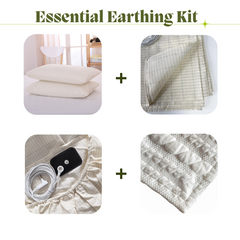
A beginner-friendly kit should make connection easy and safe. Look for a universal mat with a grounded cord, an outlet checker to confirm a properly grounded outlet, and clear setup instructions. Terra Therapy’s Essential Grounding Starter Kits are designed for this stage, helping wellness seekers get started quickly whether they work from home, wind down on the sofa, or want a simple nightstand-side option for their feet.
For sleep, grounding mats for sleep are among the most practical earthing product alternatives to full bedding. A Grounding Bed Mat placed under your fitted sheet offers consistent skin contact throughout the night and stays put if you toss and turn. Many users prefer this option if they run warm, want to keep their favorite sheets, or share a bed and need an individual setup. It’s also low-maintenance and easy to wipe clean.
When you’re ready for a comprehensive home setup, combine pieces to cover where you spend the most time. Pair a sleep solution with daytime grounding to maintain steadier contact and potentially amplify the benefits of grounding bedding, such as more restful sleep and a calmer mood. For multi-room coverage, consider the following mix:
- Bed: Fitted Grounding Bedsheet for full-body contact, or a Grounding Bed Mat if you prefer your own linens.
- Desk: A universal mat under your keyboard or feet for workday grounding.
- Living room: A mat near your favorite chair or couch for evening use.
- Mobility: Optional wrist or ankle bands for short sessions when traveling or moving around.
- Accessories: An outlet checker and extra cords/splitters if grounding more than one surface.
Don’t overlook natural grounding methods to complement your indoor routine. Barefoot time on grass, sand, or soil—especially when damp—gardening with bare hands, or sitting with your feet on the ground in the yard can all provide contact with the Earth’s surface. Terra Therapy offers fitted grounding bedsheets, bed mats, and starter kits that make it easy to blend these practices with reliable indoor earthing solutions tailored to your space and sleep goals.
Comparative Summary: Choosing the Right Earthing Solution for Your Needs
Finding the best alternatives to grounding sheets starts with clarifying your goals, habits, and space. If your priority is overnight exposure to support sleep and relaxation, bedding offers the most contact time. If you’re testing the waters, prefer less laundry, or want daytime use, other earthing product alternatives may fit better. Consider factors like budget, maintenance, temperature preferences, and whether your outlets are properly grounded.
Grounding bedding provides full-body contact for hours, which many users find helpful for sleep quality and morning energy. The benefits of grounding bedding include consistent, passive exposure and a familiar routine—just lie down and rest. That said, hot sleepers or those who don’t love washing conductive linens may prefer grounding mats for sleep, positioned where calves or torso naturally rest.
Mats are versatile indoor earthing solutions because they can move from the bed to a workstation. A single mat can support relaxation while you read at night or work during the day, extending total contact time. Smaller formats—like pillowcases, bands, or patches—offer targeted contact and are easy to travel with, though they cover less surface area.

Natural grounding methods remain the simplest option: barefoot time on grass, soil, or sand; gardening with bare hands; or sitting against a tree. Aim for consistent, weather-permitting sessions—many people start with 20–30 minutes daily. These are free and restorative but limited by climate, schedule, and access to safe outdoor spaces.
Use this quick guide to narrow your choice:
- Primary goal is deeper sleep and “set-and-forget” use: choose fitted grounding bedding.
- Run hot or want low-maintenance gear: choose a bed mat you can wipe clean.
- Spend long hours at a desk: use a mat under bare feet or wrists during work.
- Live in rentals or travel often: pick a compact starter kit with a universal mat.
- Tight budget: start with one mat to maximize flexibility, then add bedding later.
- Sensitive skin: opt for natural-fiber grounding sheets and wash with gentle detergents.
Terra Therapy offers fitted Grounding Bedsheets for full-night contact, Grounding Bed Mats for flexible use at night or at a desk, and Essential Grounding Starter Kits to simplify setup. If you’re new to earthing product alternatives, a starter kit can help you test indoor earthing solutions before investing in a full bedding set. Always confirm your outlet is properly grounded or use an approved grounding rod per the product guidance.
Buying Guide: Key Factors to Consider Before Purchasing Grounding Gear
Start with your goal. If you want deeper sleep and overnight recovery, bedding that maintains skin contact for hours is hard to beat. If you need daytime stress relief at a desk or while watching TV, look at indoor earthing solutions you can touch intermittently. Clarifying when and how you’ll use the gear will narrow the best alternatives to grounding sheets for your routine.
Consider the benefits of grounding bedding versus other formats. Bedding offers full-body contact and minimal behavior change—just sleep as usual. For earthing product alternatives, think about grounding mats for sleep placed under a fitted sheet, universal mats for feet/hands at a workstation, pillowcases for head contact, or wearable bands for targeted use. Natural grounding methods like barefoot time on grass, soil, or sand can complement gear if outdoor access is practical and safe.
Common options and when to choose them:
- Fitted bedsheets: Maximum skin area and overnight consistency; ideal for sleepers who value comfort and simplicity.
- Bed mats (on top or under a fitted sheet): Durable and easy to wipe; good for hot sleepers or those sensitive to fabric textures.
- Pillowcases: Head and neck contact for people who run warm or prefer minimal bedding changes.
- Universal mats (desk/sofa): Flexible indoor earthing solutions for work-from-home setups and evening relaxation.
- Wearables (bands/patches): Targeted relief for localized discomfort; better as an add-on than a standalone sleep solution.
Evaluate materials and feel. Conductive fabrics often use silver fiber or stainless-steel threads woven into cotton, while mats typically use carbon-infused surfaces. Silver offers excellent conductivity and a softer hand but needs gentle laundering; avoid bleach and fabric softeners to preserve performance. If you prefer a cooler, wipe-clean surface, a mat may be a better fit than fabric-based options.
Check safety, setup, and verification. Ensure cords include an in-line resistor and that you can connect to a properly grounded outlet or a grounding rod. Use an outlet tester and a simple continuity tester to verify a complete path to ground and periodic conductivity over time. Clear instructions and responsive support matter; Terra Therapy provides straightforward setup guidance across its fitted Grounding Bedsheets, Grounding Bed Mats, and Essential Grounding Starter Kits.
Balance price with durability and policies. Ask about expected lifespan, replacement cords, and wash-cycle guidance to protect conductivity. Favor brands with transparent testing information, warranties, and easy returns so you can evaluate benefits at home. If you’re exploring earthing product alternatives or natural grounding methods alongside gear, a starter kit from Terra Therapy offers a practical way to compare approaches and build a sustainable daily routine.