


Introduction to Grounding
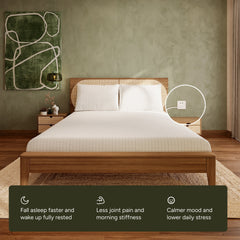
Grounding products for sleep are designed to reconnect your body with the Earth’s electrical potential while you rest. In nature, contact with soil, sand, or grass continuously balances electrical charge. Indoors, insulating floors, mattresses, and shoes break that connection. Grounding sheets and mats recreate it safely, giving you a simple, natural sleep aid you can use every night.
How might this help? Early studies and user reports suggest indoor earthing can support calmer nervous system activity, more stable nighttime cortisol patterns, and improved heart rate variability—factors tied to deeper sleep and stress resilience. People commonly describe falling asleep faster, fewer nighttime awakenings, and less morning stiffness. While research is still developing, the earthing benefits sleep conversation centers on nervous system balance, reduced perception of pain, and mitigation of indoor electric field exposure.
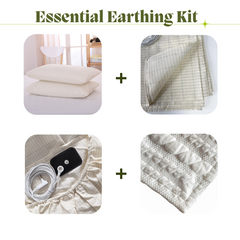
Terra Therapy enables this connection with conductive textiles and mats linked to a verified ground. Fitted Grounding Bedsheets weave conductive silver fibers into breathable cotton, so any skin contact—calves, feet, or torso—completes the connection. A grounding mat for sleep can sit at the foot of the bed or under a fitted sheet if you prefer a smaller contact area. Essential Grounding Starter Kits bundle what you need to get started, from an outlet ground checker to connection cords.
Getting set up is straightforward:
- Verify a properly grounded outlet using the included tester (or use a compatible ground rod if preferred).
- Snap the cord onto the sheet or mat and plug the safety adapter into the outlet’s ground port only.
- Ensure some skin contact during the night. Bare legs, feet, or arms work well.
- Launder as directed: mild detergent, no fabric softener or bleach, to preserve conductivity.
Real-world examples:
- Light sleepers who toss and turn often begin with a fitted sheet to maximize contact throughout the night.
- Apartment dwellers without access to soil may choose a bed mat plus a desk mat to stay grounded both at night and while working.
- Shift workers use grounding mat sleep setups for irregular hours, aiming to improve sleep naturally despite schedule changes.
Grounding is not a cure-all, but many wellness seekers find it an accessible way to reduce stress. Earthing can complement good sleep hygiene—consistent bedtimes, a cool dark room, and limited evening screens—for a comprehensive approach. If you use implanted medical devices or have specific health concerns, consult your healthcare provider before starting. For most, reduce stress earthing practices are a low-effort, non-pharmacological step toward restoring more restful nights.
The Science of Earthing Connection
Earthing, also called grounding, is a simple electrical concept: when your skin makes contact with the Earth—or with a conductive surface connected to the Earth—your body’s electrical potential equalizes with the planet’s. The Earth is a vast reservoir of free electrons. By providing a conductive path, grounding allows charge to dissipate and brings your body voltage closer to zero. Indoor grounding products for sleep replicate this connection so you can benefit throughout the night.
Why might that matter for rest? In modern bedrooms, our bodies can act like antennas, picking up alternating electric fields from nearby wiring and devices. Lying in bed, it’s common to measure 2–6 volts AC on the body with a simple body-voltage meter. When you lie on a grounded bedsheet or a grounding mat connected to a proper ground, that reading typically drops to a small fraction of a volt. This reduction doesn’t “block” wireless signals, but it does change how your body couples to ambient fields, and some people report that it helps them settle more easily.
Early research offers clues about how earthing benefits sleep. Small pilot studies have reported:
- Reduced nighttime cortisol and a shift toward a more natural 24-hour cortisol rhythm, which can support calmer evenings and morning alertness
- Improved heart rate variability, suggesting a tilt toward parasympathetic (“rest-and-digest”) activity
- Subjective improvements in sleep quality, less nighttime restlessness, and decreased pain upon waking
These studies are limited in size and design, so results should be viewed as preliminary. Still, they outline plausible pathways—autonomic nervous system balance, stress-hormone timing, and perceived pain relief—through which grounding products for sleep may help you improve sleep naturally.
A practical example: place a grounding mat at the foot of the bed so your bare calves or feet touch it (a common “grounding mat sleep” setup), or use a fitted grounding bedsheet that maintains skin contact across the night. Many cords include an in-line safety resistor and connect to the ground port of a properly wired outlet. An outlet checker or multimeter can verify a true ground, and a body-voltage meter can demonstrate the before/after difference in seconds.
For those aiming to reduce stress, earthing has been studied as a gentle, non-pharmacological practice. Users often pair it with good sleep hygiene—cool, dark rooms; regular bedtimes; and device-free wind-downs—to amplify benefits. Think of it as a natural sleep aid you can layer into an existing routine rather than a standalone fix.
Terra Therapy’s fitted Grounding Bedsheets and Bed Mats are designed to keep consistent contact while you sleep, and the Essential Grounding Starter Kits make it easy to get set up indoors. Consistency matters: many participants in studies used grounding nightly for several weeks before assessing changes. If you use medical implants or have concerns about your electrical environment, consult a qualified professional before starting.
How Grounding Positively Impacts Sleep
Falling asleep and staying asleep depends on a calm nervous system, a steady circadian rhythm, and physical comfort. Grounding products for sleep aim to reintroduce a missing input from modern life—regular contact with the Earth—which many people find acts as a natural sleep aid and helps improve sleep naturally.
When your body is electrically connected to the Earth through a conductive sheet or mat, it equalizes your electrical potential. Early studies and pilot trials suggest this contact can support parasympathetic (rest-and-digest) activity, improve heart rate variability, and help normalize the daily cortisol pattern—changes associated with easier sleep onset and fewer nighttime awakenings. Although the research is still developing, these physiological shifts help explain reported earthing benefits sleep seekers notice.

Lowering nighttime arousal is only part of the picture. Many users also report less muscle stiffness or general aches after sleeping grounded. If discomfort is keeping you up or waking you early, alleviating minor pain and tension can indirectly extend total sleep time and improve sleep quality.
What sleepers commonly notice when incorporating grounding:
- Shorter time to fall asleep
- Fewer wake-ups after sleep onset
- More refreshed feeling on waking
- Calmer pre-bed mood and less “tired but wired” restlessness
How you use the gear matters. A fitted grounding bedsheet makes full-body contact effortless throughout the night. A grounding mat for sleep can be placed under the calves or feet if you run hot or prefer to keep your current linens. For partners with different preferences, a half-sheet or individual mat provides flexibility without changing the whole bed. Essential grounding starter kits simplify setup with the cord, outlet checker, and conductive surface you need to get started.
Practical tips to maximize benefits:
- Ensure a consistent nightly connection; cumulative use tends to yield clearer results.
- Verify a proper ground with an outlet checker before connecting.
- Maintain clean, direct skin contact with the conductive surface.
- Pair with good sleep hygiene—dim evening light, steady schedule, and a cool room.
- If curious, measure body voltage before and after connecting to see changes in electrical exposure at the bed.
Who may notice the most change? High-stress professionals, new parents, athletes in recovery, shift workers, frequent travelers, and older adults with fragmented sleep often report pronounced effects.
Evidence is promising but not definitive. Track your own response with a sleep journal or wearable for two to four weeks. If you see shorter sleep latency, fewer awakenings, and better morning energy, grounding mat sleep or a bedsheet may be a practical way to reduce stress with earthing and support deeper, more restorative rest.
Beyond Sleep: Additional Health Benefits
Grounding doesn’t stop working once you fall asleep. While many people first try grounding products for sleep, a growing body of early research and user experience points to broader effects on stress, pain, energy, and recovery that carry into daytime hours.
Stress regulation is one of the most common reports. In small pilot studies, earthing has been associated with shifts toward parasympathetic (rest-and-digest) balance and more stable daily cortisol patterns—both markers of a calmer nervous system. Practically, that can look like a quieter mind at the end of a long workday or fewer mid-day stress spikes. Using a grounding mat under your desk or a Grounding Bed Mat while reading before bed can reinforce that downshift.
Pain and inflammation relief are another frequently noted benefit. Preliminary trials have observed reduced soreness after strenuous exercise and subjective improvements in chronic discomfort. Some participants also showed changes consistent with better circulation. For individuals dealing with desk-related back tension or post-workout aches, 30–60 minutes on a mat can be a gentle, non-medicinal way to take the edge off.
Energy and mood often improve as downstream effects. When the stress response calms and discomfort eases, many users report steadier daytime energy and a brighter outlook. If you’re aiming to improve sleep naturally, that’s a helpful loop: better days support better nights, and vice versa. Fitted Grounding Bedsheets create a consistent routine so you wake feeling more restored and ready to engage.
Athletic recovery is a practical area to test earthing. After runs or strength sessions, lying on a Grounding Bed Mat or placing feet on a mat while hydrating may help reduce next-day soreness. Some small studies have documented quicker recovery markers alongside perceived pain reductions, making grounding a low-effort add-on to mobility work, protein, and sleep.
For travelers or shift workers, grounding can help steady circadian cues when schedules are irregular. Combining morning light exposure with a few minutes of barefoot time on a mat can support alignment of your body clock—an approach many people find more accessible than drastic routine overhauls.
Simple ways to integrate beyond sleep:
- Keep a grounding mat at your workstation to reduce stress earthing throughout the day.
- Use an Essential Grounding Starter Kit in your living room for evening wind-down.
- Recover post-workout by resting calves or lower back on a mat for 20–30 minutes.
- During travel, ground upon arrival to help reset after time-zone changes.
Grounding products are a natural sleep aid and daytime support, not a medical treatment. If you have a medical condition or use implanted devices, check with your clinician before use. As with any wellness practice, consistency matters—regular contact via sheets or mats gives the clearest picture of your personal response.
Selecting the Right Grounding Products
Finding grounding products for sleep starts with how you rest, your bedroom setup, and the level of contact you want overnight. Think about whether you want full-body connection, targeted contact, and how warm you tend to sleep.

Options to consider:
- Fitted grounding bedsheets: Best for consistent, full-body contact if you move around at night or share a bed. They feel like regular cotton sheets with conductive fibers woven in, so there’s no learning curve. Choose the sheet size to match your mattress depth and aim for direct skin contact where possible.
- Grounding bed mats: Ideal if you run hot or prefer targeted contact. Place a mat under your fitted sheet or directly under your calves, feet, or torso. For “grounding mat sleep,” position it where your skin touches most reliably (e.g., calves for back sleepers, hip/torso for side sleepers). Direct skin contact is most effective, but thin, natural-fiber layers can still work.
- Essential Grounding Starter Kits: A simple way to test earthing benefits for sleep before fully committing. Starter kits typically include a grounding cord, an outlet checker, and adapters, so you can set up quickly and compare how you feel over a week or two.
Match the product to your goals:
- Want to improve sleep naturally with little habit change? A fitted sheet provides seamless, all-night connection.
- Need flexibility or a travel option? A portable mat or pillow cover fits carry-on luggage and can double as a desk mat during the day.
- Seeking to reduce stress with earthing during wind-down time? Start with a mat at the foot of the bed for 30–60 minutes before sleep, then extend to overnight use as you get comfortable.
Safety and setup tips:
- Use an outlet tester to confirm the ground port is functioning. Plug grounding cords only into a properly grounded outlet, not a power strip or extension cord.
- Look for cords with an inline safety resistor. Avoid DIY connections to pipes or radiators.
- In older homes or high-EMF environments, a simple body-voltage check can help you compare before/after grounding. If you notice tingling, shorten sessions and build up gradually.
Care and durability:
- For sheets, wash with mild detergent in cool or warm water; avoid bleach, fabric softeners, and oxidizing agents that can degrade conductive fibers. Tumble dry low or line dry.
- For mats, wipe with a damp cloth and mild soap; avoid harsh cleaners and oils.
Who should be cautious:
- If you have an implanted medical device, are pregnant, or take blood-thinning medication, consult your clinician before use.
The right grounding products for sleep can act as a natural sleep aid and complement your nighttime routine. Start simple, ensure good contact and a safe ground, and track how your sleep quality, stress levels, or morning energy respond over 1–2 weeks.
Integrating Earthing into Daily Life
Bringing earthing into your routine is easiest when you blend short outdoor moments with simple indoor tools designed for contact while you work and sleep. The goal is steady, daily exposure that helps improve sleep naturally while supporting calm and recovery throughout the day.
Start small with a practical rhythm:
- Morning: Spend 10–20 minutes barefoot on grass or soil while you sip coffee or stretch. Natural light plus ground contact can cue your circadian rhythm and set a calmer tone for the day.
- Workday: Place a grounding mat under your desk and rest your bare feet or calves on it during focus sessions. Many users notice they unwind more easily in the evening when stress has been managed throughout the day.
- Wind-down: Sit with a grounding mat while you read or journal for 30 minutes before bed. Pairing earthing with a consistent routine reinforces your body’s “time to sleep” signals.
- Overnight: Use grounding products for sleep, such as a fitted grounding bedsheet or a grounding bed mat, to maintain gentle, continuous contact for deeper rest.
For bedroom use, the Terra Therapy Fitted Grounding Bedsheet or Grounding Bed Mat offers all-night consistency. Ensure your bare skin—ankles, calves, or shoulders—touches the conductive area. Keep blankets or duvets on top; they won’t interfere, but avoid thick insulating layers directly between your skin and the grounding surface. Many people track improvements like shorter sleep latency and fewer wake-ups after 2–4 weeks of nightly use.
If you’re new to earthing, an Essential Grounding Starter Kit is a straightforward way to set up:
1) Test your outlet with the included outlet checker to confirm a proper ground.
2) Connect the grounding cord to the product and the ground port only (not live or neutral).
3) Position the mat or sheet where your skin will make direct contact.
Care and optimization tips:
- Wash sheets in cold or warm water; avoid bleach and fabric softeners to preserve conductivity. Disconnect cords before laundering.
- Keep skin contact points clean and dry for reliable conductivity.
- Rotate between feet, calves, or forearms to find the most comfortable nighttime contact.
- Track changes with a sleep app or journal—note time to fall asleep, awakenings, morning energy, and HRV if available.
Traveling? Pack a portable grounding mat. Use an outlet tester in hotels, or connect to an approved ground source. Consistency helps you maintain the earthing benefits sleep enthusiasts seek, even across time zones.

Earthing is a natural sleep aid for many people, and preliminary research plus user reports suggest it may help reduce stress—earthing practices can complement breathwork, a cool dark bedroom, morning light, and steady caffeine/alcohol limits. If you have a medical implant or specific health concerns, consult your clinician before starting.
Real Stories of Improved Wellness
If you’re evaluating grounding products for sleep, the most compelling insights come from how real people integrate them and what changes they notice over time. Across Terra Therapy customer feedback, stories point to practical, measurable shifts in sleep quality, stress, and morning energy when earthing becomes part of a nightly routine.
Maya, 37, a project manager who struggled with racing thoughts at bedtime, started with a Terra Therapy Fitted Grounding Bedsheet. She kept everything else the same—bedtime, room temperature, and caffeine cutoff. By the end of week two, her wearable showed sleep latency dropping from 35–40 minutes to about 18–20 minutes, with one fewer waking per night on average. Subjectively, she described a “settled” feeling in her legs and an easier time going back to sleep at 3 a.m. For Maya, the appeal was to improve sleep naturally without supplements; she credits the sheet with taking the edge off pre-sleep restlessness.
Jared, 52, a recreational cyclist with intermittent lower-back discomfort, opted for a Grounding Bed Mat and added 20 minutes of under-desk earthing in the afternoon. He used the bed mat skin-to-surface for reading before lights out (a simple grounding mat sleep wind-down). Within three weeks, pain-related awakenings dropped from three to one on most nights. Morning stiffness eased, and his HRV readings trended 6–10 points higher on recovery days. He also noted a calmer mood at bedtime—consistent with what many report when they reduce stress earthing in the evening.
Lina, 29, a new parent navigating postpartum anxiety, began with the Essential Grounding Starter Kit. She did 10–15 minutes of midday earthing breaks and added the bedsheet later. What she noticed wasn’t just longer sleep; it was fewer “mind spiral” episodes when waking to feed. She described grounding as a natural sleep aid that softened her stress response enough to fall back asleep faster. Over a month, her journal showed two fewer fully awake nights per week and more consistent morning energy.
Common patterns customers report:
- Shorter time to fall asleep (often by 10–20 minutes)
- Fewer nighttime awakenings and quicker return to sleep
- Calmer pre-sleep state; reduced muscle tension
- More refreshed mornings without changing bedtime
- Best results after 2–3 weeks of consistent use
What helped them succeed:
- Confirming a properly grounded outlet before setup
- Maximizing skin contact (direct contact or through a thin cotton layer)
- Pairing earthing with simple hygiene habits: earlier caffeine cutoff, dimmer evening light, device wind-down
- Tracking changes with a sleep journal or wearable
Individual results vary, and grounding isn’t a treatment for medical conditions. Still, for those exploring grounding products for sleep, these real-world experiences illustrate how earthing benefits sleep and fits seamlessly into everyday routines to gently support rest.
Embrace Natural Restoration with Grounding
Modern sleep struggles often stem from a nervous system that never fully powers down. Grounding products for sleep offer a simple, natural sleep aid by recreating barefoot contact with the Earth while you rest. By connecting your body to ground potential, these tools aim to calm pre-sleep arousal and support deeper, more restorative rest.
Earthing benefits sleep through a straightforward mechanism: conductive materials allow free electrons from the Earth to balance your body’s electrical charge. Preliminary studies and pilot trials have reported improvements in perceived sleep quality, reductions in nighttime pain, and better morning alertness when participants slept grounded. Some research has also noted shifts toward a more normalized daily cortisol rhythm, which can help reduce stress; earthing may support a quieter sympathetic “fight-or-flight” response at night.
Choosing the right setup depends on your preferences. Fitted grounding bedsheets cover the entire mattress, making consistent skin contact easy for side, back, and combination sleepers. A grounding mat for sleep targets specific areas—placed under calves, along the torso, or at the foot of the bed—if you don’t want to change bedding. Essential starter kits bundle the connection cord, outlet checker, and a sheet or mat so you can begin quickly and verify a safe ground.
Set-up is simple but deserves care. Connect the cord to a verified grounded outlet or an approved grounding rod. Position the sheet so bare skin touches the conductive surface; even partial contact (calves, forearms, or shoulders) is effective. Many users notice changes within a few nights, while others take a few weeks. Consistency matters—use nightly to improve sleep naturally.
Best practices for reliable results:
- Verify ground first. Use an outlet tester to confirm a proper ground, or follow instructions for a dedicated grounding rod.
- Prioritize skin contact. Direct contact typically yields stronger effects; avoid thick layers between you and the conductive surface.
- Keep it simple. Don’t combine with electric blankets or heating pads on top of the grounding surface.
- Care correctly. Wash conductive sheets with mild detergent; avoid bleach, fabric softeners, and dryer sheets, which can coat fibers and reduce conductivity.
- Be storm-smart. Many users disconnect during electrical storms as a precaution.
- When in doubt, ask. If you use implanted medical devices or have specific health concerns, consult a healthcare professional.
For people who want to reduce stress with earthing and improve sleep naturally, a grounded sleep surface can be a practical addition to a healthy routine. Pair it with consistent bedtimes, a dark room, and limited late-evening screen time. As your nights grow calmer, you may also notice steadier daytime energy and mood—common reasons many sleepers make grounding part of their long-term wellness habits.