


Introduction to Pain and Earthing
Pain is the body’s alarm system. Acute pain warns of injury; chronic pain can persist long after tissues heal, influenced by inflammation, nervous system sensitization, stress, and disrupted sleep. Because these factors are interconnected, many people look for natural pain management methods that calm the system rather than simply mute symptoms.
Earthing—also called grounding—is the practice of creating electrical contact between your body and the Earth, either outdoors (barefoot on conductive surfaces like grass, soil, or sand) or indoors via conductive products connected to a verified ground. Natural pain relief grounding approaches aim to help the body return to a steadier physiological baseline.
Researchers have proposed several ways earthing could influence discomfort:
- Electron transfer: The Earth’s surface has a negative charge. Some lab and pilot human studies suggest contact may help neutralize reactive oxygen species, potentially modulating inflammation—one pathway tied to pain signaling.
- Autonomic balance: Preliminary research has observed shifts toward parasympathetic (“rest-and-digest”) tone and improved heart rate variability during grounding, which may reduce stress-related muscle tension.
- Sleep quality: Better sleep is consistently associated with lower pain sensitivity. Small studies have reported improved sleep with grounding, which could indirectly reduce pain.
- Environmental electric fields: Grounding may reduce the body’s voltage relative to ambient electric fields indoors, a factor some individuals report correlates with discomfort, though evidence is mixed.
Evidence is early-stage. Small randomized and observational studies have reported reductions in self-reported pain (including delayed-onset muscle soreness) and improved rest, but larger, high-quality trials are still needed to confirm earthing benefits chronic pain conditions. Grounding should complement—not replace—professional care.
Practical grounding techniques for discomfort you can try:
- Outdoors: 20–30 minutes barefoot on moist grass or soil; sitting on the ground with bare hands in contact; beach walks near the waterline.
- Indoors: Conductive fitted bedsheets or bed mats connected to the ground port of a properly wired outlet; localized bands or patches for a specific joint or back area during rest.
- Routine pairing: Combine grounding with gentle mobility (e.g., a grounded morning stretch on the lawn) to calm the nervous system before daily stressors.
Examples:
- Desk worker with neck tightness uses a grounding bed mat under the feet by day and a fitted grounding bedsheet at night; tracks pain scores and sleep over two weeks to gauge changes.
- Walker with knee soreness alternates outdoor barefoot sessions on grass with an indoor grounding kit on rest days, assessing stiffness each morning.
For those exploring alternative pain remedies, grounding can be one tool alongside movement, stress reduction, and sleep hygiene. If pain is severe, unexplained, or persistent, consult a qualified clinician. As you evaluate how earthing reduces pain for you, monitor outcomes (pain scale, sleep duration, energy) to personalize your approach.
How Grounding Impacts Pain Relief
Pain often persists because multiple systems—immune, nervous, and sleep—stay stuck in a stress–inflammation loop. Natural pain relief grounding aims to interrupt that loop by restoring electrical balance and calming overactive physiology, which may reduce discomfort and support recovery.
Here’s how earthing reduces pain, based on early studies and user reports:
- Inflammation modulation: Direct skin contact with a grounded surface allows a flow of electrons that can help neutralize excess free radicals. Small trials and thermography case series suggest reductions in localized heat and swelling, a key driver of pain.
- Autonomic balance: Grounding has been associated with improved heart rate variability, a marker of better parasympathetic (rest-and-digest) activity. When the sympathetic “alarm” response eases, muscle guarding can decrease, lowering soreness and tension.
- Cortisol rhythm support: Pilot research found that sleeping grounded helped normalize diurnal cortisol patterns. More stable cortisol can translate into less inflammatory signaling and fewer pain flares.
- Blood flow and microcirculation: Preliminary findings indicate changes in blood viscosity and microcirculatory perfusion after grounding, which may enhance tissue oxygenation and healing, particularly for stiff or achy joints.
- Sleep quality: Pain and sleep are bi-directional. By improving sleep onset and continuity, grounding may reduce next-day pain sensitivity and help the body complete overnight repair.
Practical grounding techniques for discomfort you can use indoors:
- Overnight contact: Fitted grounding bedsheets keep your skin connected for 6–8 hours, the longest, most consistent window. Many people with back stiffness or arthritic knees find morning mobility improves when sleep quality rises.
- Bed or floor mats: Place a grounding mat under your feet while reading or meditating. Gentle calf stretches while grounded can ease calf and plantar fascia tightness.
- Workstation setup: A grounding mat under your desk for 2–4 hours daily may help counter computer-time muscle tension in the neck and shoulders.
- Targeted rest: After activity, elevate a sore area and rest it on a grounded surface for 20–30 minutes to potentially calm post-exercise inflammation.
Examples of where users pursue earthing benefits in chronic pain:
- Low back discomfort from prolonged sitting
- Morning stiffness in hands or knees
- Tension headaches linked to neck and shoulder tightness
- Plantar foot soreness after standing
For many, grounding fits alongside alternative pain remedies such as gentle mobility work, hydration, and heat/cold therapy. It’s one of several natural pain management methods that can be tried with minimal disruption to routine and assessed over a few weeks for changes in sleep, stress, and daily pain levels. If you have a medical implant or complex pain condition, consult your clinician before starting a new routine.
Direct Skin Contact with Earth
For many people, the simplest form of natural pain relief grounding is the one that’s always available: direct skin contact with the Earth. Bare feet on damp grass, hands in the soil, or ankles in the ocean equalize your body’s electrical potential with the ground. This contact can calm overactive nerves, lower muscle tension, and support a more balanced stress response—factors that often amplify pain.
Where to connect for the strongest effect
- Best conductors: wet grass, natural soil, beach sand (especially near the shoreline), unsealed stone, and seawater.
- Usually conductive: unsealed outdoor concrete that sits directly on the ground (sidewalks, patios). Slight moisture improves conductivity.
- Poor conductors to avoid: asphalt, rubber surfaces, painted/sealed concrete, dry wood, plastics.
Grounding techniques for discomfort
- Barefoot walks: 10–30 minutes on damp grass or sand. Keep pace slow to avoid aggravating joint pain.
- Seated contact: Sit on the ground with calves or palms touching soil or stone. Great for back or hip discomfort when standing is difficult.
- Hands-in-earth gardening: Gentle weeding or potting with bare hands adds movement while maintaining contact.
- Shoreline soaking: Ankle-deep in ocean or lake water for 15–20 minutes; moving the ankles and knees can ease stiffness.
- Morning dew reset: Short sessions on dew-covered grass can be surprisingly effective due to higher conductivity.
How earthing may reduce pain
- Electrical balance: Touching the Earth quickly lowers excess body voltage from ambient electric fields, which may reduce nerve irritability.
- Oxidative stress modulation: Contact with the ground may provide electrons that help neutralize reactive oxygen species, a contributor to inflammation.
- Autonomic balance: Small studies report improvements in heart rate variability and reduced stress markers, which can translate into less perceived pain.
Evidence is still developing, but early findings and user reports suggest meaningful earthing benefits for chronic pain when practiced consistently.

Practical tips for better results
- Maximize skin area: Go barefoot or expose palms/calves; moisture (a damp cloth on the skin or lightly misting the ground) enhances contact.
- Time and frequency: Start with 20–30 minutes daily; during flare-ups, try shorter sessions (10–15 minutes) two or three times a day.
- Pair with gentle mobility: While grounded, do slow joint circles, diaphragmatic breathing, or light stretches to downshift the nervous system.
- Seasonal adjustments: In cold weather, use unsealed concrete in a sunlit spot, or brief, more frequent sessions to prevent chilling.
- Safety first: Avoid contaminated areas, pesticides, extreme temperatures, and storms. If you have neuropathy, inspect feet before/after sessions.
A simple 7-day starter plan
- Days 1–2: 15 minutes barefoot on damp grass, deep breathing.
- Days 3–4: 20 minutes seated with hands on soil or stone; add gentle neck/shoulder mobility.
- Days 5–6: 20 minutes shoreline walk or ankle soak; include hip and knee range-of-motion.
- Day 7: Mix your favorite method for 25–30 minutes.
These natural pain management methods are easy to integrate into daily life and complement other alternative pain remedies. On days when outdoor access isn’t possible, indoor earthing products can help you maintain consistency so the benefits accumulate over time.
Walking Barefoot for Pain Reduction
Walking barefoot is a simple, accessible way to explore natural pain relief grounding without equipment. By making direct skin contact with conductive surfaces outdoors, you may support calmer nerves, better sleep, and reduced muscle tension—factors that influence how your body perceives pain. Early research, including small randomized and crossover trials, suggests earthing can modulate inflammation markers, shift cortisol toward a healthier daily rhythm, and improve heart-rate variability. While more robust studies are needed, many people with chronic discomfort report meaningful changes when they incorporate consistent barefoot time into their routine.
Start with short, regular sessions. Aim for 10–20 minutes once or twice a day and build up to 30–40 minutes as tolerated. Consistency often matters more than duration for natural pain management methods.
Choose surfaces that conduct well:
- Best options: moist grass, soil, beach sand, unsealed stone, and unpainted concrete
- Less effective: dry asphalt, wood, synthetic turf, sealed/painted concrete
- Avoid hazards: areas with debris, extreme heat/cold, or signs of contamination
Technique matters. Gentle, mindful walking can become one of your most effective grounding techniques for discomfort:
- Move slowly and shorten your stride to reduce impact
- Land midfoot to soften heel strike and protect knees, hips, and lower back
- Keep your gaze ahead and relax your shoulders to limit upper-body tension
- Pause every few minutes for deep nasal breaths to downshift stress responses
If you live with chronic back, neck, or joint pain, pair barefoot walks with simple mobility work:
- Before: two minutes of calf and hamstring stretches to ease pull on the low back
- During: stop for 3–4 spinal decompression breaths—exhale fully and lightly engage lower abdominals
- After: 60 seconds of gentle foot rolling on a tennis ball to relax plantar tissues
Safety considerations:
- Progress gradually if you have plantar fasciitis, neuropathy, or balance issues; consult a clinician for personalized guidance
- Skip barefoot sessions if you have open wounds, active skin infections, or uncontrolled diabetes
- Be weather-smart; use brief sessions in cold conditions and avoid lightning or storm activity
- Practice good hygiene—rinse and inspect feet after walking
For many, the earthing benefits chronic pain sufferers seek also come indirectly: better sleep, lower perceived stress, and improved mood. Morning barefoot time on grass or sand can help anchor your circadian rhythm, which may reduce pain sensitivity later in the day.
When outdoor access is limited, indoor solutions like grounded bedsheets or bed mats can extend the habit so you maintain total daily contact time. Blending barefoot walks with indoor options provides a practical, sustainable approach to alternative pain remedies while you track what actually changes your symptoms. Keep a simple log of time grounded, sleep quality, and pain ratings to identify your personal dose-response and refine how earthing reduces pain for you.
Water Immersion Grounding Techniques
Water is a superb conductor, making immersion one of the most accessible ways to experience natural pain relief grounding outside of standard mats. When part of your body is in natural water that’s in contact with the Earth, you create a conductive path that may help calm the nervous system and support natural pain management methods without medication.
Several factors can make water immersion especially soothing for discomfort. Buoyancy unloads joints and tight muscles, hydrostatic pressure can limit swelling, and temperature (cool or warm) influences perceived pain. Although research is still emerging, some small studies and user reports suggest that earthing benefits chronic pain by improving sleep quality, reducing perceived stress, and moderating inflammation markers—key pillars in how earthing reduces pain for many people.
Try these grounding techniques for discomfort in natural settings:
- Ocean wading: Saltwater offers excellent conductivity. Walk ankle- to knee-deep for 10–30 minutes, letting gentle waves mobilize the feet, ankles, and knees. Many find this helpful for plantar fascia tension and lower-leg tightness.
- Lakes and ponds: Stand or sit near the shore with feet immersed. Choose clear, algae-free areas and soft, natural bottom surfaces. Add slow calf raises or gentle squats in the water to ease back and hip stiffness.
- Streams and rivers: Sit on a stable rock and place your feet or legs in flowing water. Cool water can be refreshing for flare-ups—use short intervals (3–10 minutes), then warm up and repeat as comfortable. Avoid strong currents.
- Shoreline recovery: After immersion, sit or walk on wet sand or saturated soil to extend contact with the Earth while you stretch calves, hamstrings, and hips.
Indoor options when outdoor immersion isn’t feasible:
- Post-shower grounding: A warm shower can relax muscles; after drying off fully, extend your session by resting on a grounded surface like Terra Therapy’s bedsheets or a grounding mat to continue gentle, passive contact.
- Comfort foot soak: A simple warm water and sea-salt foot soak can ease tension. When finished and dry, transition to an indoor grounding product to sustain the calming effects. Never connect any electrical device or cord to water.
Safety essentials:

- Check water quality and clarity; avoid polluted areas and harmful algal blooms.
- Respect currents, depth, and footing; use water shoes if surfaces are rocky.
- Mind temperature. Limit cold immersion, rewarm between bouts, and stop if you feel numbness or shivering.
- Skip immersion during storms and at the first sound of thunder.
- Protect open cuts; consult your clinician if you have cardiovascular issues, neuropathy, or balance concerns.
Consistency matters. Aim for 20–40 minutes of water-based earthing three to five days per week, or start with 10-minute sessions and build gradually. Pairing immersion with breathwork can enhance relaxation. For days you can’t get to natural water, Terra Therapy’s indoor solutions help you maintain a steady rhythm of alternative pain remedies to support long-term comfort and resilience.
DIY Indoor Grounding Setup
If standard mats aren’t an option, you can create a safe indoor setup that supports natural pain relief grounding with simple, affordable components. The goal is direct skin contact with a conductive surface that’s connected to a verified earth ground, helping equalize body voltage. Many people exploring alternative pain remedies use DIY options at their desk, couch, or bed to make regular contact easy.
Start with safety and verification
- Test your outlet: Use a 3‑light outlet tester to confirm the ground is present. Never connect to neutral or hot.
- Use a ground-only plug: Choose a plug that connects only to the ground port.
- Include a safety resistor: A cord with an in-line 100k–1M ohm resistor limits current in fault conditions.
- Verify the effect: A body-voltage meter or multimeter (AC voltage, one probe to ground, one touching skin) can show a drop when you make contact with the grounded surface.
Materials for a basic DIY kit
- Ground cord with in-line safety resistor and snap/clip
- Ground-only plug or a lead that goes to an outdoor rod
- Outlet tester
- Conductive surface options:
- Stainless steel baking sheet as a foot or wrist plate
- Aluminum foil tape overlapped on a board to form a continuous pad
- Conductive fabric (e.g., silver-thread cotton) for a pillowcase or small throw
- Carbon-based conductive paint applied to a board, with a snap attached
Step-by-step setup
1) Test and choose the ground: Verify a wall outlet ground or drive a small copper/clad rod into moist soil away from utilities; run insulated wire indoors. Disconnect during storms.
2) Prepare the surface: Clean thoroughly. If using foil tape, overlap edges and press firmly to ensure continuity.
3) Attach the lead: Use a snap, alligator clip, or bolt/washer to secure the cord to the conductive surface; plug into ground.
4) Position for convenience: Under bare feet at your desk, under forearms while typing, or as a small contact area in bed under a sheet.
5) Confirm contact: Compare body voltage before/after touch. A notable drop indicates effective coupling.
6) Use consistently: Start with 30–60 minutes daily and build up. Light skin moisture (clean, dry skin—avoid lotions) improves contact.
Targeted grounding techniques for discomfort

- Feet on a metal plate for lower-back or leg soreness while seated.
- Forearms on a conductive desk pad for wrist/elbow tension.
- A small conductive fabric panel against the low back with light pressure.
- Overnight contact via a conductive pillowcase for neck/shoulder tightness.
How earthing reduces pain, in theory
People exploring natural pain management methods point to nervous-system calming and potential reductions in local inflammation. Early studies and user reports suggest earthing benefits chronic pain, sleep quality, and perceived stress, which can indirectly ease discomfort.
Maintenance and placement tips
- Wash conductive fabrics gently; avoid bleach and high heat.
- Wipe metal surfaces with mild soap; keep cords away from power strips and chargers.
- Recheck outlets after moves or renovations.
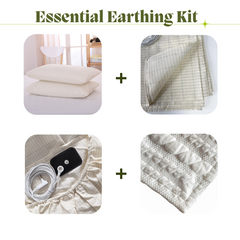
Prefer ready-made components with built-in safeguards? Terra Therapy’s Essential Grounding Starter Kits provide tested cords, adapters, and conductive surfaces designed for ease of use and reliability.
Integrating Earthing into Daily Life
Turning earthing into a daily habit is the simplest way to explore natural pain relief grounding without overhauling your routine. The key is consistent, low-effort contact points spread across the day.
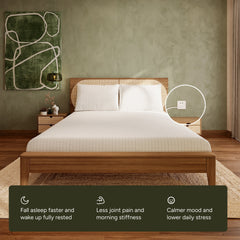
- During sleep: Nighttime offers 6–8 hours of uninterrupted grounding. Terra Therapy Fitted Grounding Bedsheets or a Grounding Bed Mat provide full-body contact while you rest. Many people with persistent aches report less nighttime discomfort and easier mornings over several weeks of consistent use. Early studies suggest grounding during sleep may influence stress hormones and self-reported pain.
- At your desk: If you sit for long periods, place a grounding surface under bare feet or resting wrists. Terra Therapy’s Essential Grounding Starter Kits make it easy to add a compact earthing surface to your workstation, a common time when tension and joint discomfort build.
- Movement and recovery: Use a grounding mat for gentle stretching, breathwork, or post-exercise cool-down. These grounding techniques for discomfort pair well with foam rolling, yoga, or mobility work and can help you unwind after repetitive tasks or workouts.
- Outdoors, when possible: Barefoot time on conductive surfaces is a no-cost option. Grass, soil, and sand work best; concrete can work if unsealed; wood, asphalt, and rubber soles insulate. Aim for 10–20 minutes after waking or before bed. Damp ground typically improves conductivity.
Build a simple schedule. Start with 20–30 minutes twice daily, then expand with overnight grounding. Track pain on a 0–10 scale, along with sleep quality and activity, for 2–4 weeks. This helps you observe patterns and earthing benefits chronic pain may respond to, such as morning stiffness or post-workout soreness.
Optimize contact and consistency:
- Ensure direct skin contact with the conductive surface.
- Connect only to a properly grounded outlet; use an outlet checker before first use.
- If you notice tingling or discomfort, disconnect and review setup.
- Keep cords secure and follow care instructions so sheets and mats remain conductive.
For those exploring alternative pain remedies, earthing fits alongside other natural pain management methods: gentle strength and mobility work, regular sleep-wake times, stress reduction practices, and an anti-inflammatory eating pattern. While mechanisms are still being studied, preliminary research and user reports point to potential shifts in autonomic balance and inflammation-related markers—possible pathways for how earthing reduces pain.
Whether you choose all-night sheets, a compact mat for your office, or a travel-friendly starter kit, integrating earthing where you already spend time makes it sustainable. For many, that consistency is where the most meaningful relief emerges.
Beyond Grounding: Holistic Pain Approaches
Grounding works best as part of a broader plan. Natural pain relief grounding strategies can complement lifestyle, movement, and nutrition changes that reduce sensitization, calm the nervous system, and improve recovery. Evidence on earthing benefits chronic pain is preliminary, but small studies suggest improvements in sleep quality, heart rate variability, and perceived pain—factors that influence how the body processes discomfort.
Potential mechanisms for how earthing reduces pain include dampening sympathetic “fight-or-flight” activity, improving sleep architecture, and modulating inflammatory responses. In practice, better sleep and a calmer nervous system often translate into fewer pain flares and faster post-exertion recovery.
Prioritize sleep. Pair a regular wind-down routine with your preferred earthing setup—fitted grounding bedsheets or a bed mat—to reinforce circadian timing. Aim for a cool, dark room; stop caffeine by early afternoon; and keep consistent bed/wake times. If pain wakes you, try a brief positional reset (pillow between knees for side sleepers; small bolster under knees for back sleepers).
Move often, not just hard. For chronic discomfort, graded activity is safer than boom-and-bust cycles:
- Begin with 10–15 minutes of easy walking daily; add 5 minutes each week if flares stay under a 2/10 increase.
- Do low-intensity mobility (hips, thoracic spine, calves) and light strength (glute bridge, wall sit, row) 2–3 days weekly.
- Use microbreaks: 1–2 minutes of movement every 30–45 minutes of sitting to reduce stiffness.
Try these grounding techniques for discomfort:
- Morning or post-work barefoot time on safe, conductive surfaces outdoors.
- Indoor earthing during sedentary periods (reading, computer work) with a bed or floor mat.
- Nighttime contact via a fitted sheet to layer benefits with sleep hygiene.
Layer in evidence-informed alternative pain remedies and natural pain management methods:
- Stress downshifting: 4–6 breaths/minute for 5 minutes, twice daily; short mindfulness sessions to reduce threat perception.
- Heat for stiffness; brief cold exposure post-activity for acute flare-ups if tolerated.
- Self-massage with a foam roller or ball on calves, glutes, or upper back for 60–90 seconds per area.
- Nutrition: emphasize a Mediterranean-style pattern rich in colorful plants, olive oil, legumes, fish; ensure adequate protein; discuss omega-3s with your clinician if appropriate.
- Hydration and electrolytes, especially if cramps or headaches accompany pain.
- Ergonomics: neutral wrist alignment, monitor at eye level, feet supported; alternate sitting and standing.
Track what works. Keep a simple log of sleep, steps, stress level, and pain ratings to spot patterns and throttle activity up or down. Seek medical advice for red-flag symptoms (unexplained weight loss, fever, new neurological deficits) or if pain persists despite these steps. Integrating earthing with smart habits provides a practical, low-risk framework for steady, sustainable relief.