


Introduction: Understanding Insomnia and Sleep Disorders
Insomnia is the persistent difficulty falling asleep, staying asleep, or waking too early despite adequate opportunity, leading to daytime impairment. It can be acute (a few nights to weeks) or chronic (at least three nights a week for three months), and often overlaps with “restless sleep” marked by frequent awakenings and non-restorative rest. Left unaddressed, fragmented sleep erodes mood, immunity, and attention. Understanding why it happens is the first step toward choosing natural remedies for insomnia that address root causes, not just symptoms.
Multiple factors drive sleep disruption: stress and hyperarousal; circadian misalignment from late-night screens or shift work; and lifestyle inputs like caffeine after mid-afternoon, alcohol near bedtime, or irregular schedules. Pain, perimenopause, reflux, and medications (for example, some antidepressants or steroids) can fragment sleep, as can a room that’s too warm, bright, or noisy. Tracking patterns—for instance, noticing you wake around 3 a.m. after heavy late dinners—helps pinpoint targeted, non-medicinal sleep aids.
Consider a medical evaluation if you notice:
- Loud snoring, choking, or morning headaches suggesting possible sleep apnea.
- An irresistible urge to move the legs with crawling sensations at night, consistent with restless legs syndrome.
- A very delayed sleep window (unable to fall asleep until 2–3 a.m.) pointing to circadian rhythm disorders.
- Persistent insomnia paired with depression, anxiety, or chronic pain that may require integrated care.
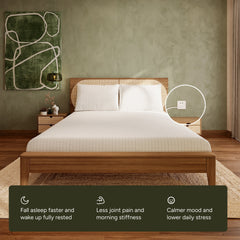
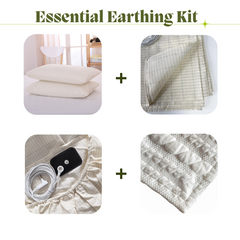
Because the causes are varied, effective restless sleep solutions are often multimodal. Evidence-backed strategies include stimulus control and sleep restriction (core parts of CBT-I), consistent wake times, dimming screens an hour before bed, a cool bedroom (60–67°F/15–19°C), morning daylight exposure, gentle evening movement, and relaxation breathing. Earthing for better sleep is another approach people explore; preliminary studies and user reports suggest that grounding techniques for insomnia may calm the nervous system and reduce nighttime awakenings. For those interested in trying indoor grounding, Terra Therapy offers fitted grounding bedsheets and mats that connect to a grounded outlet to simulate contact with the Earth while you rest; the Essential Grounding Starter Kit provides a simple way to experiment alongside other habits to improve sleep quality naturally.
This guide will outline five practical, natural remedies for insomnia you can combine and tailor to your specific sleep challenges.
The Impact of Modern Living on Sleep Quality
Late nights, always-on screens, and around-the-clock notifications keep the brain in a state of “high alert,” a mismatch with the body’s need to wind down. Blue light from phones and laptops suppresses melatonin and delays circadian timing, making it harder to fall asleep and stay asleep. Even quick email checks at 10 p.m. can nudge the mind back into work mode, fueling racing thoughts at bedtime.
Spending most of the day indoors compounds the problem. Limited morning daylight weakens circadian signals that cue alertness by day and sleepiness at night, while a sedentary routine reduces sleep pressure. Add common habits—late dinners, afternoon caffeine, or nightcaps—and sleep becomes lighter, more fragmented, and less restorative.
Environmental stressors also play a role. Urban light pollution, traffic noise, and overly warm bedrooms increase micro-awakenings and restless turning. Psychological stress sustains elevated cortisol and hyperarousal, a hallmark of insomnia that makes brief wake-ups feel longer and more disruptive.
In this context, natural remedies for insomnia focus on restoring healthy rhythms and reducing stimulation before bed. Non-medicinal sleep aids like light management, timing of meals and caffeine, gentle movement, breathwork, and grounding techniques for insomnia can help calm the nervous system. Preliminary research on earthing suggests potential benefits for sleep quality and morning alertness, possibly by modulating stress responses; many find earthing for better sleep to be a simple, low-effort habit alongside other lifestyle changes.
Consider these restless sleep solutions to improve sleep quality naturally:
- Front-load light: Get 10–30 minutes of outdoor morning light, and dim household lighting two hours before bed; use warm, low-lux bulbs in the evening.
- Set gentle boundaries: Finish intense mental work 60–90 minutes before bedtime, and keep a consistent sleep-wake schedule—even on weekends.
- Time intake: Avoid caffeine after midday and heavy meals within three hours of bedtime; limit alcohol to earlier in the evening.
- Downshift the nervous system: Try 5–10 minutes of slow nasal breathing, a warm shower, or legs-up-the-wall to reduce arousal.
- Add indoor earthing: Use Terra Therapy’s Grounding bed mat or fitted grounding bedsheets to create a passive connection while you rest, a practical, non-medicinal aid that fits seamlessly into your routine.
Remedy 1: Earthing and Grounding Techniques
Earthing, also called grounding, involves making direct skin contact with the Earth to equalize your body’s electrical potential. As one of the natural remedies for insomnia, it’s a gentle, non-medicinal approach that many people use to calm a “wired” nervous system at night. Preliminary research and user reports suggest it may help reduce perceived stress and nighttime restlessness, though larger studies are still needed.
The simplest method is outdoors: spend 20–30 minutes barefoot on grass, soil, or sand, especially in the evening. Moist surfaces conduct better than dry ones, so a dewy lawn or beach can enhance contact. Even a short, barefoot wind-down routine after dinner can serve as a soothing cue to your body that sleep is coming.
For consistent practice—and for those without easy outdoor access—indoor options enable earthing for better sleep while you rest. Conductive bedding, like fitted grounding bedsheets and bed mats, connects to a grounded outlet or a grounding rod, maintaining gentle skin contact throughout the night. Terra Therapy offers fitted Grounding Bedsheets, Grounding Bed Mats, and Essential Grounding Starter Kits that make it easier to build grounding techniques for insomnia into your nightly routine.

To improve sleep quality naturally and use grounding safely, keep these tips in mind:
- Verify that the outlet you use is properly grounded with an outlet tester (many kits include one).
- Ensure direct skin contact with the conductive area; thin pajamas are usually fine, but bare skin improves contact.
- Start gradually—try 30–60 minutes before bed, then progress to overnight use while observing how you feel.
- Pair grounding with good sleep hygiene (dim lights, a cool room, consistent bedtimes) for better results.
- If you have an implanted medical device or specific health concerns, consult a clinician before using grounding equipment.
Track your response over two weeks by noting sleep onset time, nighttime awakenings, and morning energy in a simple sleep log. Many people find grounding to be one of the steadier restless sleep solutions and a practical addition to other non-medicinal sleep aids. If you’re curious to try it, explore Terra Therapy’s indoor options to integrate grounding into your bedtime routine with minimal effort.
Remedy 2: Herbal Supplements and Natural Sleep Aids
Herbal supplements are among the most popular natural remedies for insomnia, and they can be effective when paired with good sleep habits. They typically work by promoting relaxation, easing anxiety, or supporting the body’s sleep–wake rhythms. Results vary from person to person, so start low, track your response, and give each option 1–2 weeks before judging effectiveness.
- Valerian root: 300–600 mg standardized extract 30–60 minutes before bed; evidence is mixed, and it can cause next-day drowsiness. Avoid combining with sedatives or alcohol.
- Magnesium (glycinate or citrate): 200–400 mg elemental magnesium in the evening may calm the nervous system; use caution with kidney disease, and watch for GI upset.
- Glycine: 3 g powder before bed may improve sleep latency and sleep quality naturally in small studies.
- L-theanine: 100–200 mg in the evening can reduce mental tension and support relaxation without sedation.
- Chamomile: Tea (1–2 bags steeped strongly) or 300–540 mg extract; gentle and widely tolerated, but avoid if you have ragweed allergies.
- Melatonin: 0.3–1 mg for circadian issues, up to 3 mg 30–90 minutes before bed; best for jet lag or shift work, and short-term use.
- Lavender: Aromatherapy (pillow spray or diffuser) or 80 mg oral lavender oil (Silexan) may ease anxiety and support sleep in some trials.
Beyond supplements, non-medicinal sleep aids can be powerful restless sleep solutions. A warm bath 1–2 hours before bed, a cool dark bedroom, and consistent wake times all help. Adding white noise, a breathable weighted blanket, or a lavender diffuser can further improve comfort and continuity.
Grounding is another way to improve sleep quality naturally without medication. Early research and user reports suggest that earthing for better sleep may reduce nighttime restlessness by supporting a calmer autonomic response. Terra Therapy offers fitted grounding bedsheets, bed mats, and starter kits that make grounding techniques for insomnia easy to integrate at home—simply connect and sleep as usual.
Always check for interactions and safety: consult a healthcare provider if you’re pregnant, have chronic conditions, or take prescriptions (especially sedatives, blood pressure medications, or antidepressants). Choose third-party tested supplements (USP, NSF, or Informed Choice) to ensure purity and dosing accuracy. Trial one change at a time and keep a brief sleep log to see what truly helps.
Remedy 3: Sleep Environment Optimization and Bedding
A calm, cool, and dark bedroom is one of the most effective natural remedies for insomnia. Aim for a temperature around 60–67°F (15–19°C), minimize ambient light with blackout curtains, and eliminate screen glow that suppresses melatonin. Keep noise consistent with a fan or white-noise machine; brief peaks in sound often trigger micro-awakenings and contribute to restless sleep.
Bedding choices matter more than many realize. Choose breathable, natural fibers (cotton, linen, or wool) with a moderate thread count (roughly 200–400) to balance softness and airflow; percale weaves tend to sleep cooler than sateen. Match pillow loft to your sleep position (higher for side sleepers, lower for back sleepers) to keep the neck aligned, and wash bedding weekly in hot water or use allergen-proof encasements to reduce dust mites that can irritate airways and disrupt sleep.
Try these practical, non-medicinal sleep aids to optimize your space:
- Use blackout curtains and an eye mask to keep light exposure minimal.
- Run a bedside fan or white-noise app to smooth out disruptive sounds.
- Diffuse a small amount of lavender oil; some studies note modest benefits.
- Add a HEPA air purifier if allergies or congestion wake you at night.
- Keep the bed for sleep and intimacy only; move reading or scrolling elsewhere.
If you’re exploring grounding techniques for insomnia, consider adding earthing to your sleep setup. Terra Therapy’s fitted Grounding Bedsheets and Grounding Bed Mats connect you to a grounded outlet or grounding rod, enabling earthing for better sleep indoors. While research is still developing, some users report they improve sleep quality naturally and reduce nighttime restlessness; follow all safety instructions, ensure proper grounding, and consult a clinician if you use implanted medical devices.
A simple setup might include breathable cotton sheets layered with a Terra Therapy fitted grounding sheet, room temperature set near 65°F, blackout curtains, and a steady white-noise source. Terra Therapy’s Essential Grounding Starter Kits make it easy to begin and test changes systematically. Track your sleep and daytime energy for two weeks to see which restless sleep solutions deliver the greatest impact.
Remedy 4: Relaxation Practices and Stress Management
Stress ramps up the nervous system, making it harder to fall asleep and stay asleep. A targeted wind‑down that trains the body’s relaxation response is one of the most effective natural remedies for insomnia because it reduces pre-sleep arousal. Aim to shift from “doing” to “resting” about 60 minutes before bed and keep the routine consistent, even on weekends.

Start with breathwork that lengthens the exhale, which cues the vagus nerve and slows heart rate. Try 4‑7‑8 breathing (inhale 4, hold 7, exhale 8) or box breathing (4‑4‑4‑4) for 5–10 minutes. If you feel lightheaded, shorten the holds and prioritize a slow, comfortable exhale.
Progressive muscle relaxation (PMR) helps release physical tension that fuels nighttime restlessness. Working from feet to face, tense each muscle group for 5 seconds and release for 10, noticing the contrast. Pair this with a 5–10‑minute body scan or a short yoga nidra/NSDR recording to further quiet racing thoughts.
A simple, repeatable wind‑down sequence can look like:
- 5 minutes breathing practice with long exhales
- 10 minutes PMR or gentle stretches for neck, shoulders, and hips
- 3 minutes “brain dump” journaling; list worries and unfinished tasks
- 2 minutes to schedule top priorities for tomorrow
- 5–10 minutes body scan, yoga nidra, or calming audio
- Last step: dark, cool room (60–67°F), devices off, and a consistent lights‑out time
Manage daytime stress to prevent bedtime spirals. Schedule a daily “worry window” earlier in the evening to problem‑solve on paper so your pillow isn’t the first time you think. If intrusive thoughts persist, try cognitive shuffling (random, benign imagery like “apple, bridge, candle…”) to disrupt rumination—an evidence‑based tactic used in restless sleep solutions.
Grounding can complement these practices. Outdoor options include 10–20 minutes of barefoot time on grass or soil during daylight, which many people use to improve sleep quality naturally. For earthing for better sleep indoors, Terra Therapy’s fitted grounding bedsheets and bed mats offer non-medicinal sleep aids you can integrate nightly; preliminary studies suggest grounding during sleep may improve subjective sleep quality and morning alertness, though more research is needed.
Consistency matters. Treat these grounding techniques for insomnia and relaxation tools as daily training for your nervous system, not one‑off fixes. If insomnia lasts longer than 3 months or impairs daytime function, ask your clinician about CBT‑I, the gold‑standard behavioral therapy for chronic insomnia.
Remedy 5: Lifestyle Changes and Sleep Hygiene
Lifestyle alignment is the backbone of natural remedies for insomnia. Think of sleep as a 24-hour process; what you do in the day conditions the night. Prioritize non-medicinal sleep aids that calm your nervous system and cue a predictable rhythm.
Anchor a fixed wake time seven days a week, and get 10–20 minutes of outdoor light within an hour of waking to set your circadian clock. Time caffeine before early afternoon and keep alcohol minimal, finishing at least three hours before bed. Exercise most days, but avoid vigorous sessions in the final 3–4 hours before bedtime.
Create a wind-down window of 45–60 minutes. Dim lights, power down screens or use blue-light filters, and switch to low-arousal activities like paper reading, gentle stretching, or a warm shower that helps your core temperature drop afterward. A brief “brain dump”—list tomorrow’s tasks and one worry with a next step—can reduce rumination.
Optimize the bedroom: cool (60–67°F / 16–19°C), dark, and quiet. Use blackout curtains or an eye mask, white noise for irregular sounds, and reserve the bed for sleep and intimacy to strengthen the association. Avoid heavy meals within 2–3 hours of bedtime; if needed, a light protein-plus-carb snack is gentler.
Practice grounding techniques for insomnia that shift the body into parasympathetic mode: slow breathing (4-7-8 or about six breaths per minute), progressive muscle relaxation, or 10 minutes of yoga nidra. These are practical restless sleep solutions that improve sleep quality naturally when done consistently. Pair them with a consistent pre-sleep cue, like the same scent or song, to reinforce the routine.
Some people also explore earthing for better sleep—maintaining conductive contact with the Earth’s surface. Early studies and user reports suggest it may help with sleep onset and nighttime calm for certain individuals. Terra Therapy offers indoor options, such as fitted grounding bedsheets and bed mats, that let you test this approach without changing your bedtime routine.

- Use a fitted grounding bedsheet nightly; ensure proper connection to a grounded outlet and direct skin contact.
- Place a grounding mat under your desk or feet during daytime work to reduce stress arousal before evening.
- Start with an Essential Grounding Starter Kit to trial earthing safely and track changes in sleep latency, awakenings, and morning alertness.
Whichever strategies you choose, change one or two variables at a time and give them 2–3 weeks. Keep a simple sleep log noting bedtime, wake time, awakenings, caffeine, alcohol, exercise, and any non-medicinal sleep aids used. The data will help you personalize natural remedies for insomnia and refine a routine that sticks.
How Grounding Products Support Better Sleep
Among natural remedies for insomnia, grounding stands out for its simplicity: maintaining gentle, conductive contact with the Earth’s surface to calm the nervous system. Preliminary studies and user reports suggest earthing may help reduce nighttime cortisol and support parasympathetic activity, which can ease a busy mind at bedtime. For many, this translates into fewer awakenings and a smoother transition into deeper stages of sleep.
Grounding products make earthing for better sleep accessible indoors. Conductive fabrics woven with silver threads—such as fitted bedsheets—or carbon-infused bed mats connect to a grounded outlet or grounding rod, allowing your body to equalize with the Earth’s electric potential while you rest. Because they work passively during the night, they function as non-medicinal sleep aids that can improve sleep quality naturally without adding another evening routine.
Getting started is straightforward, and small details matter for best results:
- Verify the wall outlet is properly grounded using a certified outlet tester.
- Connect the product’s snap-on cord to the sheet or mat, then to the ground port of the outlet adapter.
- Ensure some bare skin contact (calves, feet, or back of legs); consistent contact throughout the night is ideal.
- Wash conductive sheets with mild detergent; avoid bleach and fabric softeners to preserve conductivity.
- Use nightly for at least 2–4 weeks to assess changes in latency, awakenings, and morning alertness.
Grounding techniques for insomnia are especially helpful for people whose sleep is disrupted by stress, late-evening screen exposure, or travel-related rhythm shifts. Many pair grounding with restless sleep solutions like a cooler bedroom, dimmed lights after sunset, and a wind-down window without caffeine or heavy meals. This layered approach often enhances the calming effects of earthing and supports longer, more restorative sleep cycles.
Terra Therapy offers fitted Grounding Bedsheets, Bed Mats, and Essential Grounding Starter Kits designed to make indoor earthing practical and reliable. Their kits streamline setup and help wellness seekers integrate grounding into a broader sleep hygiene plan. As with any wellness tool, consult a healthcare professional if you use implanted medical devices or have specific health concerns, and always plug products into a properly grounded outlet.
Conclusion: Creating Your Natural Sleep Recovery Plan
You now have the building blocks to improve sleep quality naturally—what matters next is structure and consistency. Pick two or three natural remedies for insomnia that fit your lifestyle and layer them over four weeks so you can see what actually helps. Keep your sleep window stable (for example, 10:30 p.m.–6:30 a.m.) and protect it like an appointment.
Use this simple, progressive plan as a starting point:
- Week 1: Set a consistent schedule. Cut caffeine after 2 p.m., avoid alcohol within 3 hours of bed, and keep a 30-minute wind-down with a book or gentle stretch.
- Week 2: Optimize light and movement. Get 10–20 minutes of morning sunlight, walk after lunch, and try a 5-minute 4-7-8 or box-breathing session at night.
- Week 3: Tidy your sleep environment. Cool the room to 60–67°F (16–19°C), dim lights 90 minutes before bed, use blackout shades or an eye mask, and consider non-medicinal sleep aids like a warm bath, lavender aromatherapy, white noise, or chamomile tea.
- Week 4: Add grounding techniques for insomnia. Spend 20–30 minutes barefoot on grass or soil during the day, or incorporate earthing for better sleep at night with a grounded bedsheet or mat.
Track your progress so changes are visible. Log bedtime, wake time, time it takes to fall asleep, and nighttime awakenings; a simple sleep diary or wearable can estimate sleep efficiency and trends. Adjust one variable at a time each week so you can identify your most effective restless sleep solutions.
If outdoor contact with the earth isn’t practical, Terra Therapy offers fitted grounding bedsheets, bed mats, and Essential Grounding Starter Kits that enable indoor earthing while you rest. Many users pair a brief pre-bed breathing routine with 20 minutes on a grounding mat, then transition to a cool, dark bedroom for a consistent lights-out time. While research is still emerging, grounding is a low-effort addition that some people find calming at night.
Expect incremental gains within 2–4 weeks, with deeper improvements as habits stick. If insomnia persists, worsens, or is accompanied by loud snoring, leg movements, or mood changes, consult a healthcare professional. Used together, these non-medicinal sleep aids form a practical plan to improve sleep quality naturally—one small, repeatable step at a time.