


Introduction: Understanding Sleep Anxiety and Natural Solutions
Racing thoughts, a clenched body, and a wired-but-tired feeling often converge at bedtime—hallmarks of sleep anxiety. Before reaching for medication, many people look to natural remedies for sleep anxiety that calm the nervous system and make the transition to sleep feel safer and more predictable. These approaches aim to reduce hyperarousal, slow cortisol output, and retrain the brain to associate bed with rest rather than worry.
Sleep-related anxiety is reinforced by a cycle of rumination and physiological arousal. Blue light late at night, stimulants like caffeine, and inconsistent routines further cue the sympathetic “fight-or-flight” response. Practical foundations—consistent sleep and wake times, a wind-down buffer, and stimulus control (using the bed only for sleep and intimacy)—create the conditions where non-medicinal anxiety remedies can work.
Evidence-informed habits that promote anxiety relief for better sleep include:
- Breathwork such as 4-7-8 or box breathing to extend exhalation and nudge the vagus nerve.
- Progressive muscle relaxation or a 10-minute body scan to release somatic tension.
- A “worry window” and bedside brain-dump journaling to offload looping thoughts.
- Light hygiene: dim lights after sunset, block blue light, and get bright morning light.
- Reduce late caffeine/alcohol; keep the bedroom cool, dark, and quiet.
Select natural sleep anxiety solutions can complement these basics. Lavender aromatherapy has modest evidence for calming effects; magnesium glycinate and L-theanine may support relaxation in some adults, though individual responses vary. Earthing (grounding)—direct skin contact with the Earth or conductive surfaces—has preliminary research suggesting improved sleep onset and lower nighttime cortisol in small studies, making it a plausible holistic sleep anxiety treatment when paired with good sleep hygiene.
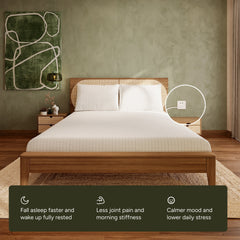
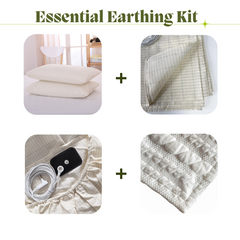
For those who want an indoor, low-effort way to try grounding, Terra Therapy offers fitted grounding bedsheets and bed mats designed to bring gentle, continuous contact while you rest. Many users fold them into a pre-bed ritual alongside breathwork and journaling for stress reduction before bedtime. If you’re unsure where to start, this overview of Grounding starter kits explains options and setup. As always, persistent insomnia or severe anxiety warrants guidance from a qualified clinician.
Criteria for Evaluating Effective Sleep Anxiety Remedies
Choosing natural remedies for sleep anxiety is easier when you apply clear, evidence-informed criteria. The goal is anxiety relief for better sleep without creating new risks or complexity. Use the following checkpoints to filter natural sleep anxiety solutions and build a plan that fits your life.
- Evidence and mechanism: Prioritize options with human trials or systematic reviews, and a plausible mechanism (e.g., magnesium supporting relaxation, lavender influencing the autonomic nervous system).
- Safety and interactions: Screen for contraindications with medications (SSRIs, benzodiazepines), pregnancy, or conditions like sleep apnea. Valerian, for example, can increase sedation when combined with other sedatives.
- Onset and duration: Some remedies act acutely (L-theanine 100–200 mg, box breathing), while others build over weeks (mindfulness training, light exposure adjustments).
- Quality and dosing: Look for third-party tested supplements and standardized extracts. For essential oils, stick to safe dilutions (typically 1–2% topical) and avoid ingestion unless clinically guided.
- Personal fit: Match the remedy to your dominant issue—rumination (breathwork, journaling), somatic tension (progressive muscle relaxation), pain (heat, gentle stretching, earthing).
- Feasibility and consistency: Choose options you can use nightly with minimal friction, such as a calming routine or bedding-based solutions.
- Synergy with sleep hygiene: Align remedies with consistent bedtimes, dim light, cool room temperature, and screen limits for a holistic sleep anxiety treatment.
- Tracking and timeline: Monitor sleep latency, awakenings, perceived calm, and morning energy for 2–4 weeks before judging effectiveness.
- Cost and sustainability: Favor approaches that are affordable and easy to maintain long term.
For example, chamomile tea is safe and simple, but effects may be subtle. L-theanine can reduce pre-sleep tension without morning grogginess, while magnesium glycinate may aid relaxation in those who are deficient. Indoor earthing is another non-medicinal anxiety remedy; products like Terra Therapy’s fitted bedsheets and the Grounding bed mat enable passive nightly contact with a grounded surface, a low-effort strategy some users report helps them unwind.
Adopt a structured trial: add one remedy at a time, keep a brief sleep log, and pair it with stress reduction before bedtime (4-7-8 breathing, guided imagery, or CBT-I techniques). Terra Therapy’s Essential Grounding Starter Kits make it simple to test earthing alongside your routine. Consult a healthcare professional if you have persistent insomnia, significant anxiety, or complex health conditions.
Grounding and Earthing Techniques for Sleep Anxiety Relief
Grounding, or earthing, involves making direct contact with the Earth’s surface—or using conductive systems that connect to a grounded outlet—to equalize the body’s electrical charge. Early research, including small controlled trials, suggests it may help modulate the autonomic nervous system, reduce perceived stress, and improve sleep quality, all relevant to natural remedies for sleep anxiety. Some pilot studies report normalized cortisol rhythms and reduced nighttime awakenings, though larger trials are still needed.
Outdoor earthing is the simplest path to anxiety relief for better sleep. Spend 20–30 minutes barefoot on grass, damp soil, or sand before dusk; moisture improves conductivity. Pair this with slow, nasal breathing (for example, 4-6 breaths per minute) or a brief body scan to amplify stress reduction before bedtime. Avoid dry asphalt or insulated surfaces, which do not conduct well.
Practical ways to integrate grounding into a nightly routine:
- Sunset reset: Sit barefoot on grass while doing box breathing (inhale–hold–exhale–hold for 4 seconds each), then journal three worries and three solutions to offload rumination.
- Screen swap: Replace late scrolling with 10–15 minutes of guided meditation while your feet rest on an indoor grounding mat.
- Bed contact: Use a fitted grounding bedsheet or bed mat so bare skin maintains contact during sleep; start with 1–2 hours if sensitive, then extend overnight.
- Track changes: Note sleep latency, awakenings, and morning mood for two weeks to assess benefits among natural sleep anxiety solutions.
For those who can’t get outside daily, indoor earthing tools offer non-medicinal anxiety remedies. Conductive bedsheets and mats connect to a properly grounded outlet; consistent contact can support a calmer pre-sleep state. Terra Therapy provides fitted grounding bedsheets, bed mats, and starter kits that make at-home implementation straightforward for a holistic sleep anxiety treatment. Before use, verify your outlet is grounded with a plug-in tester, ensure skin contact, and follow product care instructions.

Grounding is generally well tolerated, but consult a clinician if you have implanted electronic devices or specific medical concerns, and avoid using connected products during electrical storms. Pair earthing with good sleep hygiene—dim lights, a regular wind-down, and caffeine limits—for a comprehensive, natural approach to sleep anxiety.
Herbal and Botanical Remedies for Calming the Mind
Herbs and botanicals can be effective natural remedies for sleep anxiety because many act on calming neurotransmitters or stress pathways. Chamomile, lavender, passionflower, and lemon balm are among the most studied options for anxiety relief for better sleep. They’re generally well tolerated and fit easily into an evening routine as teas, tinctures, capsules, or aromatherapy.
Chamomile tea is a gentle first choice; its apigenin content binds to receptors in the brain associated with relaxation. Lavender works both as aromatherapy (diffuse 2–3 drops 30–60 minutes before bed) and as standardized oral oil, which some studies suggest may ease restlessness without next-day grogginess. Passionflower and lemon balm are traditional natural sleep anxiety solutions; many people use them as teas or extracts in the early evening to take the edge off worry.
Valerian root is best known for reducing sleep latency; typical extracts are taken 30–120 minutes before bed, though some experience mild digestive upset. Ashwagandha (Withania somnifera) is an adaptogen that may lower perceived stress and support sleep quality when taken daily (often 240–600 mg standardized root extract); avoid during pregnancy and discuss thyroid conditions with your clinician. L-theanine, an amino acid from green tea, promotes calm focus without sedation at 100–200 mg in the evening and pairs well with other non-medicinal anxiety remedies.
To choose and use botanicals wisely, match the plant to your main concern and personal sensitivities, and start low to assess response.
- Need calm without drowsiness for stress reduction before bedtime? Try lemon balm or L-theanine.
- Struggle to fall asleep due to a racing mind? Consider valerian or passionflower.
- Prefer scent-based, non-ingestible support? Opt for lavender aromatherapy on your pillow or via a diffuser.
- Sensitive stomach? Begin with teas before moving to concentrated extracts.
- Taking psychiatric medications, pregnant, breastfeeding, or managing thyroid/liver conditions? Consult your healthcare provider to avoid interactions.
For a holistic sleep anxiety treatment, combine botanicals with a consistent wind-down: dim lights, a warm bath, light stretching, and slow breathing. Many wellness seekers also incorporate earthing to help the nervous system settle; Terra Therapy’s grounding bedsheets and bed mats enable indoor earthing, offering a simple, non-medicinal way to support relaxation cues as you transition to sleep. Used together, these natural sleep anxiety solutions can create a calmer mind and a more reliable path to rest.
Lifestyle Modifications to Reduce Nighttime Anxiety
Lifestyle habits are often the most effective natural remedies for sleep anxiety because they calm the nervous system and cue your body for rest. Start by anchoring your wake time—getting up at the same hour every day trains your circadian rhythm, making it easier to fall asleep at night. Pair this with morning daylight exposure for 10–20 minutes to set your internal clock and improve evening sleep drive.
Manage light in the evening. Dim household lights 1–2 hours before bed and reduce blue-light exposure with a “digital sunset.” If screens are necessary, use night mode and blue‑light–blocking settings, and keep devices out of bed to prevent alertness spikes. A warm shower before bed can also aid stress reduction before bedtime by promoting a gentle drop in core body temperature afterward.
Use simple, science-backed relaxation tools for anxiety relief for better sleep. Try 5–10 minutes of diaphragmatic breathing (e.g., 4‑7‑8 or box breathing) to lower sympathetic arousal. Progressive muscle relaxation—tensing and releasing muscle groups from feet to head—has been shown to decrease somatic tension that fuels nighttime worry. Guided mindfulness or a body-scan meditation can further quiet rumination.
Offload mental clutter early. Schedule a 10–15 minute “worry time” 2–3 hours before bed to list concerns and next steps, then close the notebook. At bedtime, keep a small pad for a quick “brain dump” rather than cycling thoughts. If you’re awake and alert for ~20 minutes, get out of bed and do a calm, low‑light activity until drowsy—this stimulus control reduces the mind’s association of bed with anxiety.
Tend to physical habits that impact sleep. Limit caffeine after midday and keep alcohol minimal; both fragment sleep architecture. Eat your last meal 2–3 hours before bed and favor balanced, not heavy, dishes. Keep the bedroom cool, dark, and quiet; aim for 60–67°F, blackout shades, and consistent, low noise (fan or white noise).
For natural sleep anxiety solutions that reconnect you with nature, consider gentle grounding. Early research and user reports suggest earthing may reduce perceived stress and improve sleep quality for some people. Terra Therapy’s fitted grounding bedsheets and bed mats enable indoor earthing as a non-medicinal anxiety remedy—integrate them into your wind‑down routine alongside breathing and light management for a holistic sleep anxiety treatment.

Try a simple evening routine:
- 90 minutes pre-bed: dim lights, devices off, warm shower
- 20 minutes: breathing + progressive muscle relaxation
- 5 minutes: brief journal “brain dump”
- Bedtime: lights out in a cool, quiet room; use Terra Therapy grounding sheets or mat consistently
Mindfulness and Relaxation Practices for Better Sleep
Mindfulness-based techniques are among the most accessible natural remedies for sleep anxiety because they lower physiological arousal and quiet mental chatter. Aim for a 20–30 minute wind-down window where you intentionally shift the nervous system toward rest. Keep the lights low, put your phone away, and choose one or two practices you can repeat nightly for consistency.
Breathwork is a fast way to signal safety to the body. Try box breathing: inhale through your nose for 4 counts, hold for 4, exhale for 4, hold for 4; repeat for 3–5 minutes. Alternatively, use 4-7-8 breathing for four cycles, or pace your breathing at roughly six breaths per minute (about 5–6 seconds in, 5–6 seconds out) to support heart rate variability and anxiety relief for better sleep.
Progressive muscle relaxation (PMR) systematically releases tension that builds with stress. Starting at your feet, gently tense a muscle group for 5–7 seconds, then release for 10–15 seconds, moving up the body to calves, thighs, abdomen, hands, shoulders, and face. A 10–15 minute PMR session, followed by a slow body scan, is a practical, non-medicinal anxiety remedy that helps the brain recognize it’s safe to drift off.
If your mind races, pair mindfulness with simple cognitive offloading and sensory grounding. Spend two minutes writing a “worry list,” then list one small action you’ll take tomorrow for anything actionable; close the notebook to signal postponement. Use the 5-4-3-2-1 technique (name five things you see, four you feel, three you hear, two you smell, one you taste) to anchor attention in the present.
A sample pre-sleep routine that blends natural sleep anxiety solutions:
- 2–3 minutes of worry journaling, then close the list.
- 5 minutes of box or 4-7-8 breathing.
- 10 minutes of PMR and a brief body scan.
- 5 minutes of guided imagery (e.g., walking along a quiet beach) while keeping lights dim.
Sensory grounding can also be tactile. Many wellness seekers incorporate indoor earthing as part of stress reduction before bedtime—lying on Terra Therapy’s fitted grounding bedsheets or resting bare feet on a grounding mat while reading quietly. While research on earthing is still emerging, users often report a calmer, more settled body state; pairing this with breathwork and PMR can be a supportive, holistic sleep anxiety treatment that remains gentle and non-medicinal.
Track what works in a simple sleep diary and adjust based on your response. If sleep anxiety persists for several weeks, consider consulting a clinician; mindfulness can complement evidence-based care such as CBT-I for more durable results.
Comparison Summary: Remedy Effectiveness and Accessibility
Choosing among natural remedies for sleep anxiety comes down to how quickly they work, how strong the evidence is, and how easy they are to use consistently. Most people do best with a mix: one or two quick-acting strategies for stress reduction before bedtime, plus habits that build lasting resilience. Here’s how the most common natural sleep anxiety solutions compare on effectiveness and accessibility.
- Immediate calming techniques (4-7-8 breathing, box breathing, progressive muscle relaxation, 10-minute body-scan meditation): Onset in minutes; evidence is moderate-to-strong for reducing pre-sleep arousal; free and highly accessible via apps or guides; low risk.
- Sleep schedule and light hygiene (consistent wake time, 10–30 minutes of morning sunlight, dim lights and screen curfew 60 minutes before bed): Strong evidence base; benefits accrue within days to weeks; free; requires discipline more than equipment.
- Temperature and sensory inputs (warm bath 1–2 hours before bed, cool dark bedroom, lavender aromatherapy, chamomile tea): Warm bath and cooler room have solid support; aromatherapy/tea have mixed-to-moderate evidence; low cost and easy to adopt.
- Movement and mind-body practices (brisk walking, yoga, tai chi): Good evidence for anxiety relief and sleep quality; effects build over days to weeks; free or low cost; avoid vigorous exercise within 2–3 hours of bedtime.
- Behavioral programs (CBT-I skills like stimulus control and worry time/journaling): Strongest evidence for insomnia with anxiety; requires structured practice for 2–6 weeks; accessible via reputable online courses or workbooks.
- Nutritional supplements (e.g., magnesium glycinate, L-theanine): Evidence is mixed-to-moderate; onset can be same day to 1–2 weeks; inexpensive and widely available; check for interactions and avoid if pregnant or on medications without medical guidance.
- Earthing/grounding (barefoot contact with soil/grass or conductive indoor tools): Emerging evidence suggests reductions in perceived stress and improved sleep for some; immediate calming for some users with cumulative benefits over nights; accessible outdoors or indoors via products like Terra Therapy’s fitted grounding bedsheets and bed mats when outdoor access is limited.
If you need fast anxiety relief for better sleep tonight, prioritize a breathing exercise plus a light and screen wind-down, optionally adding lavender or a warm bath. For persistent sleep anxiety, anchor your routine with a fixed wake time, morning light, and CBT-I skills, then layer exercise or yoga during the day.
For a holistic sleep anxiety treatment that remains non-medicinal and low-effort, consider earthing as a nightly habit. Terra Therapy enables indoor grounding with sheets, mats, and starter kits, making it practical year-round—especially if you have limited outdoor access or live in a colder climate.

Practical plan: establish the baseline (consistent schedule, light hygiene, cool dark room). Add one quick-acting tactic for bedtime calm. Train a long-term skill (CBT-I components or mindful relaxation). If you prefer natural, non-medicinal anxiety remedies, incorporate daily movement and consider Terra Therapy’s grounding solutions to extend outdoor benefits indoors. Always consult a clinician before starting supplements or if symptoms persist.
Buying Guide: Selecting the Right Natural Remedy for Your Needs
Start by clarifying what’s driving your nights. Are you struggling to fall asleep because of racing thoughts, or waking at 2 a.m. with a jolt of worry? Note triggers like late caffeine, screen exposure, pain, or shift work. Your answers point you toward natural remedies for sleep anxiety that match your pattern rather than guessing.
Match remedies to needs with concrete use-cases. For a busy mind at bedtime, consider L-theanine (100–200 mg), 4-7-8 breathing or paced box breathing, and lavender aromatherapy (diffuser or pillow spray). For frequent awakenings, magnesium glycinate (200–400 mg), glycine (3 g), and cooler bedroom temperatures can help; melatonin (0.3–1 mg) is best for circadian shifts rather than ongoing anxiety. If daytime stress spills into night, try ashwagandha (300–600 mg standardized extract) or brief evening mindfulness to create anxiety relief for better sleep.
Use a quick selection checklist before you buy:
- Safety and interactions: Avoid kava with liver disease; use caution combining sedative herbs (valerian, passionflower) with benzodiazepines; avoid 5-HTP with SSRIs/SNRIs. Consult your clinician if pregnant, breastfeeding, or managing thyroid/autoimmune issues.
- Evidence and purpose-fit: Choose natural sleep anxiety solutions with data for your symptom (onset vs. awakenings). Melatonin = timing; magnesium/glycine = relaxation; CBT-I apps = behavior change.
- Quality: Look for standardized extracts, clear dosing, and third-party testing (USP, NSF, Informed Choice).
- Format and preference: Tea vs. capsules vs. devices; scent tolerance for essential oils; vegan or allergen-free needs.
- Budget and trial plan: Allocate 2–4 weeks per remedy and track changes before switching.
If you prefer non-medicinal anxiety remedies, consider grounding. Terra Therapy’s fitted grounding bedsheets and bed mats enable indoor earthing by connecting to a grounded outlet, offering a tactile, drug-free pathway for stress reduction before bedtime. Many users integrate these with a herbal tea and breathing routine as part of a holistic sleep anxiety treatment; results vary, but they’re a low-effort option for those seeking a nature-based approach.
Implement systematically. Build a wind-down stack—dim lights, screens off, 10 minutes of paced breathing—and add one remedy at a time. Keep a simple log of sleep latency, awakenings, and an evening anxiety rating (1–10) to see what truly helps. Reassess monthly and adjust as your stressors change.
Conclusion: Creating Your Personalized Sleep Anxiety Solution
Designing a plan that actually calms your mind at night means combining natural remedies for sleep anxiety with steady, repeatable habits. Start by anchoring your day: a consistent wake time, morning light exposure, and regular movement. Then shape evenings around cues that tell your nervous system it’s safe to power down, keeping changes small enough to sustain.
Use this framework to blend non-medicinal anxiety remedies with lifestyle tweaks. Start simple, then layer new elements every 1–2 weeks as your sleep improves.
- Schedule 30–60 minutes for stress reduction before bedtime (journaling, “worry time,” a warm shower).
- Practice a calming method nightly (4-7-8 breathing, progressive muscle relaxation, or a 10-minute body scan).
- Optimize the sleep setting (cool, dark, quiet) and dim screens 60–90 minutes pre-bed.
- Limit caffeine after early afternoon and alcohol within three hours of bedtime; aim for daily daylight and gentle exercise.
- Add sensory supports if helpful (lavender aroma, chamomile tea), and consider indoor earthing with Terra Therapy fitted grounding bedsheets or a grounding bed mat to maintain contact through the night.
Here’s a practical example: set lights low at 9:30 p.m., sip chamomile, do 5 minutes of 4-7-8 breathing, then read a paper book until 10:15 p.m. If you wake at 2 a.m., do a brief body scan or get up for a quiet, dimly lit activity until sleepiness returns. Over a week, many find this bundle of natural sleep anxiety solutions creates steady anxiety relief for better sleep.
Measure and adjust. Keep a simple sleep diary (bedtime, wake time, awakenings, caffeine, exercise, wind-down) and change only one variable per week. If insomnia lasts over three months, or you notice loud snoring, gasping, or mood decline, consult a clinician—CBT-I remains the gold standard and pairs well with a holistic sleep anxiety treatment. Review supplements and medications with your provider to avoid interactions.
For a low-effort, home-based add-on, Terra Therapy’s Fitted Grounding Bedsheets, Bed Mats, and Essential Grounding Starter Kits make indoor earthing easy, especially in apartments or colder climates. Many users report improved sleep quality, lower nighttime restlessness, and less morning tension when grounding is part of their routine. Consider testing grounding for 2–4 weeks alongside your other changes, and keep what clearly moves the needle.