


Introduction: Understanding Indoor Grounding and Its Growing Popularity
Indoor grounding connects your body to the Earth’s electrical potential while you’re inside—typically through conductive bedsheets or mats plugged into a grounded outlet or attached to a grounding rod. Interest has surged as people look for non-pharmacological ways to sleep better, calm stress, and offset the “always-on” load of modern living. This guide explores indoor grounding benefits with an evidence-based lens, separating promising findings from hype.
Mechanistically, grounding aims to equalize electrical charge between your body and the Earth, which can reduce body voltage induced by indoor electrical fields. In small human trials and pilot studies, researchers have reported changes such as improved sleep metrics, shifts in heart rate variability, and more normalized diurnal cortisol patterns, though results are not uniform across all studies. The evidence base is still developing, so benefits should be viewed as plausible and promising rather than definitive.
Early research and user reports commonly center on grounding therapy for sleep and perceived stress reduction. Examples include shift workers using grounded sheets to fall asleep faster during daylight hours, or desk-based professionals using an under-desk mat to promote stress relief through earthing during long screen sessions. Reported outcomes include:
- Shorter sleep onset latency and fewer nighttime awakenings
- Improved morning alertness and daytime energy
- Reduced perceived stress and anxiety
- Decreases in localized pain or soreness after activity
You can access earthing health benefits outdoors by walking barefoot on grass, soil, or sand, or gardening with bare hands—natural grounding techniques that are free but not always practical year-round. Indoors, options include fitted grounding bedsheets for overnight contact and desk or bed mats for daytime use; grounding mat effectiveness depends on consistent skin contact and a verified ground connection. Brands like Terra Therapy offer conductive bedsheets, bed mats, and convenient grounding starter kits to help you set up a safe, tested connection.
Popularity is growing because indoor solutions make earthing accessible in apartments, offices, and cold climates, and they stack easily with existing routines. People seeking gentle, non-medicinal strategies for better sleep, lower stress, and everyday recovery are experimenting with grounding as part of a broader wellness toolkit. As you evaluate options, prioritize proper grounding verification, consistent use, and realistic expectations grounded in the current science.
The Science Behind Grounding: How Earth's Energy Affects Your Body
At its core, grounding brings your body’s electrical potential to the same level as the Earth’s. In modern indoor environments, the body can accumulate static charge and pick up alternating electric fields from wiring and devices through capacitive coupling. By creating a low-resistance connection to ground, you reduce induced body voltage and surface charge, a shift that may influence nerve signaling, muscle tone, and stress responsiveness.
A simple way to visualize grounding mat effectiveness is with a body-voltage test. Standing near a powered nightstand lamp, many people measure 1–5 volts AC on their body; lying on a grounded bedsheet typically drops that to millivolts. This measurable reduction in ambient electrical load aligns with reports of calmer nighttime physiology and supports the rationale behind grounding therapy for sleep.
Early research, while limited and sometimes small, suggests meaningful indoor grounding benefits across several domains:
- Sleep and stress: Pilot trials have reported improved sleep quality, fewer nighttime awakenings, more normalized 24-hour cortisol rhythms, and increased heart-rate variability (a marker of parasympathetic tone).
- Pain and recovery: Participants in controlled studies experienced lower pain scores and reduced delayed-onset muscle soreness after exercise.
- Circulation: Imaging studies have observed decreased red blood cell aggregation and lower blood viscosity, which can support microcirculation.
Proposed mechanisms include reduced exposure to indoor electric fields, shifts toward parasympathetic dominance, and changes in charge dynamics at cell surfaces that may affect inflammation and blood flow. These pathways are plausible but not yet definitive; larger, well-controlled trials are needed to fully characterize earthing health benefits. You can review summaries of peer-reviewed work on Terra Therapy’s curated page of grounding studies.
Outdoors, natural grounding techniques include going barefoot on moist grass or soil, unsealed concrete, or sand at the water’s edge—surfaces that conduct to Earth. For consistent, overnight contact indoors, Terra Therapy’s fitted grounding bedsheets and bed mats connect safely to the ground port of a properly wired outlet, allowing gentle, passive grounding while you sleep. This approach enables convenient stress relief through earthing without changing your routine; as with any wellness tool, consult your clinician if you have a medical device, and verify outlets are grounded before use.

Key Health Benefits of Regular Indoor Grounding Practice
Regular contact with the Earth’s electrical potential indoors has been linked in small randomized and crossover studies to measurable changes in physiology relevant to sleep, stress, pain, and recovery. Reported indoor grounding benefits include improvements in sleep quality, shifts toward parasympathetic dominance (via heart rate variability), and reductions in self-reported pain and delayed-onset muscle soreness after activity. While the evidence base is still developing, the signal across pilot trials and observational reports is consistent enough to merit a structured, regular practice.
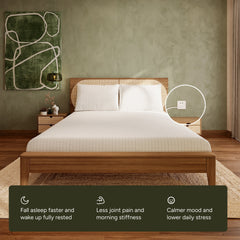
For sleep, grounding therapy for sleep has been associated with more consolidated rest, shorter sleep onset latency, and fewer nighttime awakenings. Some studies also suggest normalization of diurnal cortisol rhythms, which may support circadian regulation. Practically, nightly skin contact with a conductive surface—such as Terra Therapy’s Fitted Grounding Bedsheets connected to a verified grounded outlet—offers an easy way to build continuity that sleep research shows is critical.
Stress relief through earthing appears to come from downshifting sympathetic arousal and improving heart rate variability, a marker of resilience. Participants in laboratory and workplace settings often report calmer mood and reduced muscle tension during sessions. For people with sedentary, screen-heavy days, a grounded surface under the bare feet—like a Terra Therapy Grounding Bed Mat repurposed for a home office—can provide discreet, on-task support without changing routines.
Pain and inflammation markers show promising responses. Small trials have documented lower perceived pain scores after intense exercise, reduced swelling, and faster recovery from soft-tissue soreness, potentially via modulation of oxidative stress and microcirculation. Users with recurrent back or neck tightness often notice incremental relief when combining grounding with mobility work, heat/cold, and ergonomic changes.
Early work also points to cardiovascular and energy-related effects. Earthing health benefits may include decreases in red blood cell aggregation (thickness) and favorable shifts in HRV, which could help explain reports of steadier daytime energy and improved mood. Many users describe fewer afternoon slumps and better post-exercise rebound when grounding is part of a consistent routine.
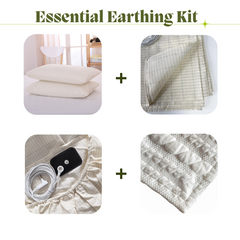
To maximize grounding mat effectiveness, ensure direct skin contact, verify the grounding of your outlet with a simple tester, and aim for daily use of 30–60 minutes or overnight. Combine indoor tools with natural grounding techniques outdoors—barefoot time on grass, soil, or sand—when feasible. If you’re new to the practice, Terra Therapy’s Essential Grounding Starter Kits simplify setup and include clear safety guidance; as with any wellness intervention, consult your clinician if you have implanted medical devices or specific health concerns.
Indoor Grounding vs. Outdoor Earthing: Comparing Methods and Effectiveness
Indoor grounding connects your body to the Earth’s electrical potential using conductive products—such as bedsheets or mats—linked to a grounded outlet or a dedicated ground rod. Outdoor earthing does the same by direct skin contact with soil, grass, sand, or natural water. The core mechanism is identical (conductive contact to ground), but outdoor time also introduces independent variables like sunlight, movement, temperature, and nature exposure that can influence outcomes and confound perceived earthing health benefits.
Evidence from small clinical and pilot studies suggests grounding may support healthier overnight cortisol rhythms, modest improvements in heart rate variability, reduced perception of pain, and better sleep onset and quality. These findings align with reports of stress relief through earthing and grounding therapy for sleep, but sample sizes are typically small and methods vary, so more robust trials are needed. Indoors, the physiological pathway is the same as outdoors, provided the connection is truly grounded and skin contact is adequate.
Key indoor grounding benefits are consistency and duration. A fitted sheet or bed mat can keep you grounded for 6–8 hours, which is difficult to match outdoors. For daytime use, a desk or standing mat offers routine contact while you work. Grounding mat effectiveness depends on correct setup: verify the outlet ground with a tester, ensure the product has a built‑in safety resistor, and confirm continuity (many users check with a multimeter or a simple continuity tester) before regular use.
Practical guidance on when to choose each method:

- For sleep-focused goals: use a fitted grounding bedsheet or bed mat to pair grounding therapy for sleep with your existing routine.
- For daytime stress regulation: a desk mat can provide steady contact that supports calmer arousal patterns.
- For comprehensive wellness: combine indoor products with natural grounding techniques like barefoot walks on grass, gardening with bare hands, or wading in the ocean, which add light exposure and movement.
- For urban living or extreme weather: indoor options maintain regularity when outdoor earthing isn’t feasible.
Terra Therapy enables reliable indoor earthing with Fitted Grounding Bedsheets, Grounding Bed Mats, and Essential Grounding Starter Kits designed for safe, simple setup via a grounded outlet or optional ground rod. Their conductive textiles prioritize skin contact and durability, helping you establish a repeatable grounding habit at home. When possible, pair Terra Therapy’s indoor solutions with brief outdoor sessions to layer behavioral and environmental benefits without sacrificing consistency.
How Grounding Products Enable Year-Round Reconnection with Earth's Energy
Modern schedules, cold seasons, and urban living can make barefoot contact with soil or grass inconsistent. Conductive products create a direct, low-resistance path to ground from indoors, enabling daily exposure regardless of weather or access to outdoor spaces. This regularity is key; many of the indoor grounding benefits reported in research and user experience appear with consistent use over hours, not minutes.
These solutions typically use a conductive surface connected to a verified earth ground via an outlet’s ground port or a dedicated ground rod. When your skin touches the surface, your body is brought to earth potential, which can markedly reduce induced AC electric field exposure from nearby wiring. A simple body-voltage test with a multimeter often shows a drop from several volts (common in homes) to near zero when grounded, illustrating grounding mat effectiveness in electrical terms. While readings vary by environment, the principle is the same: equalize, then stabilize.
Preliminary studies and pilot trials have reported improvements in sleep quality, shifts in autonomic balance (via HRV), and reductions in perceived stress and pain after grounding, though larger, controlled studies are still needed. For many, grounding therapy for sleep is the easiest starting point—contact through the night provides 6–8 hours of exposure when recovery processes are naturally active. Others use desk mats to encourage parasympathetic activity during work, supporting stress relief through earthing across long sedentary periods. Overall, earthing health benefits appear to be most noticeable when use is routine and paired with good sleep and lifestyle habits.
Practical examples include a fitted sheet connected to ground for overnight use, a mat under the desk for bare feet while working, and a compact mat for travel to mitigate variable hotel electrical environments. Apartment dwellers who lack yards can still integrate natural grounding techniques indoors and supplement with occasional outdoor time when available. In winter climates, year-round access preserves momentum so benefits don’t fade between seasons.
To maximize results and safety:
- Verify that your outlet is properly grounded with an outlet tester before connecting.
- Use direct skin contact; bare feet or skin-to-fabric contact works best.
- Place products where you spend long stretches (bed, workstation, favorite chair).
- Keep conductive surfaces clean and oils off; follow care instructions to maintain conductivity.
- Route cords away from feet and inspect regularly; avoid use with ungrounded or faulty electrical systems.
- Combine with outdoor practices—barefoot time on grass or sand—whenever practical.
Terra Therapy offers fitted grounding bedsheets, bed mats, and Essential Grounding Starter Kits designed for straightforward setup at home or on the go. Their range makes it simple to establish consistent routines—overnight for sleep, daytime at a desk—so you can evaluate indoor grounding benefits in your own environment.
Addressing Common Questions and Misconceptions About Grounding
Curious whether indoor grounding benefits match a barefoot walk outside? Properly designed bedsheets and mats connect only to the grounded port of your home’s electrical system, allowing your body to equalize with Earth potential while you sleep or work. This is a passive practice—no current is “pushed” into you—and effectiveness depends on a reliable ground and consistent contact time.
Is it just placebo? Early peer‑reviewed studies and pilot trials report measurable changes linked to earthing health benefits, including shifts in heart rate variability, improved self‑reported sleep, and more normalized diurnal cortisol patterns. That said, most studies are small and more rigorous, larger-scale research is needed, so think of grounding therapy for sleep as a low‑risk adjunct, not a cure‑all.
There’s also confusion about EMFs. Grounding products don’t “block Wi‑Fi” or act as shields. Instead, grounding mat effectiveness often shows up as a reduction in AC‑induced body voltage when you’re in contact with a properly grounded surface, which you can verify with a multimeter before and after grounding.

Common misconceptions and practical clarifications:
- Any outlet works: No—use an outlet with a verified ground. Check with a simple outlet tester and avoid ungrounded adapters or damaged cords.
- It’s the same as static discharge: Static dissipates quickly; grounding maintains continuous equalization with Earth potential. The proposed mechanism involves electron balance and reduced electrical charge buildup, but mechanisms remain under investigation.
- Skin contact isn’t necessary: Direct skin contact yields the most consistent results. Thin, slightly moist cotton may conduct, but thick or synthetic layers can break the connection.
- More is always better: Many people start with 30–60 minutes at a desk mat or all night on a bedsheet; comfort and consistency matter more than intensity.
Safety questions are common. Grounded products connect only to the ground port, not to live power, when used correctly. If you have an implanted medical device, are pregnant, or use electrical therapies (e.g., TENS), consult your clinician before starting. Do not use on ungrounded outlets or near frayed cords, and discontinue if you notice irritation.
How do you know it’s working? Practical checks include measuring body voltage with a multimeter while touching and not touching the grounded surface, and tracking personal outcomes like sleep onset time, nighttime awakenings, morning energy, or stress relief through earthing over two to four weeks. Terra Therapy’s fitted grounding bedsheets for overnight use and desk or bed mats for daytime sessions make it simple to build a consistent routine, and you can complement them with natural grounding techniques—like brief barefoot time outdoors—when possible.
Conclusion: Integrating Indoor Grounding Into Your Wellness Routine
Indoor grounding benefits are most likely to show up when you make them part of a consistent routine, then measure what changes for you. Early studies and user reports suggest potential improvements in sleep quality, pain perception, and stress markers, but responses vary. Set clear goals—sleep continuity, less morning stiffness, calmer mood—and track them for a few weeks.
Start with predictable windows of contact and build from there. If your priority is grounding therapy for sleep, a fitted bedsheet or bed mat enables hours of continuous contact without changing your habits. For daytime use, a desk or couch mat is a low-friction option while working, reading, or meditating. Terra Therapy offers fitted grounding bedsheets, bed mats, and Essential Grounding Starter Kits that simplify setup for both night and day.
A practical, evidence-aware plan:
- Verify your outlet is properly grounded with a socket tester before plugging in any product.
- Ensure direct skin contact: bare feet or calves on a mat, or skin-to-sheet contact on a bed; avoid thick layers between you and the conductive surface.
- Begin with 30–60 minutes during the day or use overnight; increase duration based on comfort and results.
- Pair with sleep basics to compound earthing health benefits: a regular bedtime, low light, and cool room temperature.
- Track outcomes weekly: sleep latency and awakenings (sleep app), morning pain (0–10 scale), perceived stress, and heart-rate variability if available.
- Maintain conductivity: wash grounding sheets with mild detergent, no bleach or fabric softener; tumble dry low. Wipe mats with a damp cloth; avoid heavy lotions right before contact, which can interfere with conductivity.
Assess grounding mat effectiveness after 2–4 weeks. If sleep isn’t changing, try different contact points (calves instead of feet), add an overnight sheet, or shift timing to earlier in the evening to promote relaxation. Combine with natural grounding techniques outdoors—barefoot walks on grass or sand—when possible for complementary exposure.
Keep safety in mind. Use only the grounding port (never the live or neutral prongs), and avoid untested outlets or adapters. If you’re pregnant, use implanted medical devices, or take anticoagulant medications, consult your clinician before starting. Indoor grounding is a supportive practice, not a replacement for medical care.
For a streamlined start, Terra Therapy’s Starter Kits bundle a mat, cord, and outlet tester so you can plug in and begin tracking results the same day. As habits stick, many people add a fitted grounding bedsheet for overnight use and a desk mat for daytime stress relief through earthing, creating 24-hour coverage with minimal effort.