



Introduction: Understanding Natural Pain Management Solutions
Many people pursue natural inflammation and pain management to complement medical care, minimize side effects, and address root causes. A holistic lens recognizes that pain often reflects interacting drivers—diet, sleep, stress load, movement patterns, and environmental inputs. The most effective plans combine evidence-informed lifestyle shifts with targeted, safe tools you can sustain.
Core, sustainable levers you can start today include: These holistic pain relief methods often work best when layered gradually.
- Anti-inflammatory nutrition: emphasize omega-3 fats (e.g., salmon, sardines), colorful produce, and minimally processed foods; consider spices like turmeric/curcumin and ginger.
- Daily movement and mobility: prioritize walking, swimming, and strength work; add gentle mobility drills and, when needed, physical therapy guidance.
- Restorative sleep: keep a consistent schedule, get morning light exposure, and make the bedroom cool, dark, and quiet.
- Stress regulation: practice breathwork, mindfulness, yoga, or cognitive-behavioral skills to lower sympathetic arousal that can amplify pain.
- Thermal and topical supports: use heat for stiffness, cold for acute flare-ups, and evidence-backed topicals like capsaicin or menthol.
- Metabolic balance: stabilize blood sugar with adequate protein and fiber; maintain a healthy weight to reduce joint load and systemic inflammation.
Grounding, or earthing, is an emerging adjunct that connects your body to the Earth’s surface electrons. Preliminary studies and pilot trials report potential grounding therapy benefits, such as reduced self-reported pain, improved sleep, and calmer cortisol rhythms; anecdotes from people using earthing for chronic pain are also common. While more rigorous research is needed, indoor options make experimentation accessible—Terra Therapy’s fitted grounding bedsheets, bed mats, and starter kits enable earthing while you sleep or work.
Because pain is personal, track your response and work with a clinician, especially if symptoms are persistent or complex. Start with simple, measurable steps—e.g., add fatty fish and turmeric to meals, take a 20-minute walk, set a consistent bedtime, practice 5–10 minutes of slow breathing, and trial an indoor grounding setup for two weeks. For mechanisms and practical tips, see how grounding products may alleviate chronic pain and inflammation. Integrating natural remedies for inflammation with everyday habits provides a pragmatic foundation for long-term wellness solutions for pain management.
How Earthing and Grounding Work for Inflammation Relief
Earthing—direct skin contact with the ground or conductive materials connected to the Earth—has been explored as a supportive tool in natural inflammation and pain management. The proposed mechanism centers on the body receiving free electrons from the Earth, which may help neutralize excess reactive oxygen species involved in inflammatory processes. Preliminary studies also suggest shifts toward parasympathetic dominance, improved heart rate variability, and modest reductions in blood viscosity, all of which can influence pain perception and tissue recovery. Evidence is emerging and not definitive, but the approach is low-effort and complements holistic pain relief methods.
From an inflammation standpoint, grounding may calm overactive immune signaling and support deeper, more restorative sleep—both essential for tissue repair. Small pilot trials have reported reductions in delayed-onset muscle soreness, improvements in sleep quality, and lower subjective pain scores when participants were grounded overnight or for extended sessions. For individuals exploring earthing for chronic pain, the potential grounding therapy benefits include less morning stiffness and a steadier mood, which can indirectly ease pain-related stress.
Practical application can be simple: barefoot time on grass, soil, or sand; or using conductive sheets and mats that connect to a grounded outlet or outdoor rod. Overnight grounding is a convenient option—products like Terra Therapy’s fitted bedsheets and the grounding bed mat enable consistent indoor earthing without changing your routine. Many users start with 30–60 minutes daily or overnight use and track changes in sleep, soreness, and energy to fine-tune their plan.
To maximize results and safety:
- Choose naturally conductive surfaces (moist grass, soil, beach).
- Verify your outlet is properly grounded with a tester before using indoor gear.
- If you have implanted medical devices or specific health conditions, consult your clinician first.
- Combine grounding with other natural remedies for inflammation—gentle movement, anti-inflammatory nutrition, and sleep hygiene—for comprehensive wellness solutions for pain management.
Comparison of Natural Pain Management Approaches
Choosing the right mix of natural inflammation and pain management strategies starts with the type of pain you have—acute strain, chronic low back pain, or inflammatory conditions like osteoarthritis. Most people benefit from layered, holistic pain relief methods that address biology (inflammation), mechanics (movement), and the nervous system (stress, sleep). Think of your plan as a toolkit you combine and adjust based on response and safety.
Dietary changes and movement form a strong foundation. A Mediterranean-style pattern rich in omega‑3 fish, olive oil, vegetables, and spices like turmeric offers natural remedies for inflammation and may lower markers like CRP over time. Low‑impact activity (walking, swimming), mobility work, and progressive strength training reduce stiffness and support joint integrity, while mindfulness, CBT techniques, and paced breathing help modulate pain perception.
- Heat helps muscle tightness before activity, whereas brief cold can temper acute swelling; both are low‑cost and act within minutes but don’t address root drivers.
- Supplements such as curcumin (with piperine), fish oil (EPA/DHA), and magnesium have varying evidence for joint pain and muscle tension; choose standardized products and check interactions if you take medications.
- Topical options like capsaicin creams can reduce neuropathic or osteoarthritic pain by depleting substance P, while menthol provides short‑term counter‑irritant relief with minimal systemic effects.
- Acupuncture, massage, yoga, and physical therapy offer graded, non‑pharmacologic relief by improving circulation, tissue quality, and posture; evidence is moderate and often condition‑specific.
- Earthing and grounding aim to support autonomic balance and sleep quality; early studies suggest potential grounding therapy benefits for reduced perceived pain and improved recovery, though large clinical trials are limited. Terra Therapy enables indoor practice with fitted grounding bedsheets, bed mats, and starter kits, making earthing for chronic pain easier to test alongside other wellness solutions for pain management.
- Ergonomic changes—supportive footwear, adjustable desks, and sleep surface optimization—reduce mechanical load and prevent flare‑ups.
Compare approaches on time horizon and risk. Diet, strength, and sleep hygiene deliver compounding benefits over weeks to months; heat, cold, and topicals act quickly but transiently. Most methods are safe when introduced gradually, but long‑term high‑dose supplements or aggressive manipulation may carry risks; consult a clinician for persistent or severe symptoms.
A practical stack might include an anti‑inflammatory plate at meals, 20–30 minutes of daily walking, twice‑weekly strength sessions, and a brief evening wind‑down. To enhance sleep and recovery, consider an indoor grounding routine—such as resting on a Terra Therapy grounding bedsheet—while you track pain scores, sleep duration, and activity tolerance. Adjust one variable at a time so you can see which natural remedies for inflammation move the needle.

Grounding Products: An Evidence-Based Solution
Among natural inflammation and pain management options, grounding (also called earthing) is a practical, low-cost adjunct worth considering. The concept is simple: maintaining direct skin contact with the earth or a conductive surface connected to ground. Early research suggests potential grounding therapy benefits for sleep quality, autonomic balance, and perceived pain—key levers in holistic pain relief methods.
Small randomized and controlled studies have reported improved sleep and normalized diurnal cortisol rhythms after nighttime earthing, along with increases in heart rate variability, a marker of stress resilience. Trials in exercise recovery have noted reduced delayed-onset muscle soreness and lower pain ratings, hinting at anti-inflammatory effects. Preliminary work has also observed changes in blood viscosity and reduced subjective pain in some populations, though larger, rigorous trials are still needed.
Mechanistically, earthing is hypothesized to allow electron transfer that may buffer oxidative stress and calm sympathetic overdrive, both relevant to natural remedies for inflammation. By improving sleep and downshifting the stress response, earthing for chronic pain may support other wellness solutions for pain management without pharmaceuticals. Grounding is generally safe, but individuals with implanted electronic devices or specific medical conditions should consult a clinician before use.
Indoor products make the practice consistent. Conductive bedsheets and mats connect to a grounded outlet or grounding rod, enabling hours of passive contact during sleep or desk work. Terra Therapy offers fitted grounding bedsheets, bed mats, and Essential Grounding Starter Kits designed to simplify setup and encourage daily use as part of a broader self-care plan.
- Start with nightly use on a fitted sheet or bed mat; consistency matters more than intensity.
- Ensure a proper ground connection and skin contact; test outlets with a grounding checker.
- Track pain, sleep, and stress over 2–4 weeks to evaluate response.
- Combine with movement, anti-inflammatory nutrition, and sleep hygiene for compounded benefits.
- Discontinue if skin irritation occurs and discuss persistent pain with a healthcare professional.
Benefits of Indoor Earthing for Chronic Pain Conditions
Indoor earthing offers a practical addition to natural inflammation and pain management when outdoor barefoot time isn’t feasible. By maintaining skin contact with a grounded surface, users may offset excess oxidative stress and calm the sympathetic nervous system—mechanisms proposed to underlie grounding therapy benefits. Evidence remains preliminary, but early studies suggest potential reductions in pain and stress alongside improved sleep quality.
Because sleep disruption amplifies pain sensitivity, earthing for chronic pain is often explored at night. Small randomized and pilot studies have reported improved sleep, reduced pain ratings, and shifts in diurnal cortisol and heart rate variability after regular grounding sessions. While larger trials are needed, pairing grounding with other holistic pain relief methods can create a layered, low-risk plan.
- Consistency and convenience: Grounded bedsheets deliver hours of contact nightly without changing routines.
- Stress regulation: Calming the nervous system may help lower perceived pain during daytime flare-ups.
- Localized support: A desk or floor mat can be used beneath bare feet for targeted sessions while working.
- Synergy: Combine with natural remedies for inflammation like gentle mobility work, magnesium-rich foods, and mindfulness.
- Accessibility: Indoor setups provide year-round exposure, a useful wellness solution for pain management.
- Safety notes: Use properly grounded outlets and consult a clinician if you use implanted medical devices or have specific medical concerns.
For an easy indoor setup, Terra Therapy provides fitted grounding bedsheets, bed mats, and Essential Grounding Starter Kits that connect to a standard grounding port, enabling contact during sleep or desk work. Many users start with a bed sheet for overnight use and add a mat for daytime sessions, then assess changes in sleep quality, morning stiffness, and stress over 2–4 weeks. As with all natural remedies for inflammation, track your response and integrate grounding alongside movement, nutrition, and clinical guidance.
Sleep Quality and Its Role in Pain Recovery
Restorative sleep is one of the most effective pillars of natural inflammation and pain management. During deep sleep, the body releases growth hormone, repairs tissues, and recalibrates immune signaling, helping dial down pro-inflammatory cytokines. When sleep is cut short or fragmented, pain thresholds drop and soreness lingers, making daytime discomfort feel more intense.
Research shows even short-term sleep loss can elevate markers like IL‑6 and CRP and heighten central sensitization. Poor sleep also disrupts cortisol rhythms, which can prolong inflammation and delay recovery after workouts or flare-ups. In contrast, consistent, high-quality sleep supports the nervous system’s ability to modulate pain signals.
Foundational steps that improve sleep and support holistic pain relief methods include:
- Keep a consistent schedule (7–9 hours), waking and sleeping at the same times daily.
- Optimize the room: cool (60–67°F/15–19°C), dark, and quiet; consider blackout shades or white noise.
- Power down screens 60 minutes before bed; dim lights in the evening to reinforce circadian cues.
- Use a wind-down routine: gentle stretching, diaphragmatic breathing, or a warm shower.
- Time stimulants and meals: limit caffeine after early afternoon and avoid heavy late dinners and alcohol.
- Consider evidence-based support such as CBT‑I, meditation, or progressive muscle relaxation.
Grounding (earthing) is an emerging adjunct many people explore as part of natural remedies for inflammation. Early studies and user reports suggest potential grounding therapy benefits—such as calmer autonomic activity and improved sleep continuity—which may indirectly ease sensitivity in those navigating earthing for chronic pain. For a practical, indoor approach, Terra Therapy offers fitted grounding bedsheets and bed mats that connect you to a grounded outlet, making it easier to test this wellness solution for pain management within your existing sleep routine.

Track progress with a simple sleep and pain journal to see which habits deliver the biggest relief. If pain persists or worsens, consult a healthcare professional to combine lifestyle changes with individualized care.
Lifestyle Practices to Complement Natural Remedies
Lifestyle habits can significantly enhance natural inflammation and pain management by calming the nervous system, supporting recovery, and reducing triggers that keep symptoms flaring. Focus on consistent routines that improve sleep, movement, and stress resilience—foundations that make natural remedies for inflammation more effective.
Prioritize sleep quality. Keep a regular schedule, limit blue light after sunset, and keep the bedroom cool and dark. Avoid caffeine after midday and consider gentle evening routines like a warm bath or light stretching to downshift pain sensitivity and promote restorative deep sleep.
Move daily, but stay within pain-free ranges. Low-impact cardio (walking, cycling, swimming) improves circulation and reduces stiffness, while 2–3 short strength sessions per week support joint stability. Incorporate “movement snacks” every hour—posture resets, thoracic rotations, and hip mobility drills—to counter desk strain.
Align nutrition with anti-inflammatory principles. Build meals around colorful plants, omega-3 sources (salmon, sardines, walnuts), extra-virgin olive oil, herbs and spices like turmeric and ginger, and adequate protein for tissue repair. Limit ultra-processed foods, excess alcohol, and added sugars, and drink enough water to maintain pale-yellow urine through the day.
Leverage mind–body practices to lower stress-driven inflammation. Try 5–10 minutes of paced breathing (inhale 4 seconds, exhale 6), mindfulness, or gentle yoga. Heat packs can loosen tight areas, while brief cold exposure or contrast showers may reduce soreness for some. For those exploring grounding therapy benefits, earthing for chronic pain involves direct contact with the Earth to balance electrical charge; when outdoor time isn’t feasible, Terra Therapy’s fitted grounding bedsheets and mats enable indoor earthing as part of holistic pain relief methods. Many users report better sleep and reduced perceived stress with consistent use, though research is still emerging.
Practical ways to integrate wellness solutions for pain management:
- Take a 30–45 minute daylight walk most days.
- Add fatty fish, berries, leafy greens, and olive oil to meals.
- Do 10 minutes of breathwork or meditation after lunch.
- Use heat before mobility work and brief cold after activity if helpful.
- Sleep on a Terra Therapy grounding bedsheet or use a grounding mat nightly to support routine consistency.
- Track pain, sleep, and energy in a simple log to identify what works.
Selecting the Right Grounding Solution for Your Needs
Start with your daily routine and primary goal. If improving sleep is your priority, a fitted grounding bedsheet delivers continuous contact overnight—often the most practical way to support natural inflammation and pain management while you rest. If you spend hours at a desk, a grounding mat under your bare feet or forearms can provide targeted contact during the day, an option many consider for earthing for chronic pain in the hands, wrists, knees, or lower legs. Travelers or renters might prefer portable mats that move from bed to sofa to workspace.
Match the product to your environment and preferences. Measure mattress size and depth before choosing a fitted sheet; deeper pockets prevent slipping. For warmer climates or hot sleepers, breathable cotton with woven conductive fibers (such as silver) helps maintain comfort, while carbon-infused mats are durable for high-traffic use. Follow care instructions—usually gentle wash, no bleach or fabric softener—to preserve conductivity and grounding therapy benefits.
Plan for safe, effective setup. Connect only to a properly grounded outlet using a cord with an inline safety resistor, and verify ground with an outlet tester. Avoid daisy-chaining through ungrounded power strips. If you use implanted medical devices or take anticoagulant medications, consult your clinician before beginning any new wellness solutions for pain management. Periodically check conductivity with a continuity tester or multimeter to ensure the connection remains reliable.
Use these quick guidelines to narrow choices:

- All-night coverage for sleep support: Terra Therapy Fitted Grounding Bedsheets sized to your mattress.
- Versatility for bed, couch, or desk: Terra Therapy Grounding Bed Mats placed under feet, calves, or forearms.
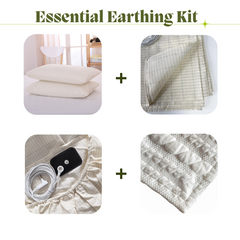
- New to earthing and want essentials in one box: Terra Therapy Essential Grounding Starter Kits, which include cables, testers, and setup guides.
- Budget and care needs: opt for durable mats in high-use areas; choose washable sheets for simple maintenance.
Combine grounding with other holistic pain relief methods and natural remedies for inflammation—movement, stress reduction, and sleep hygiene—to create a sustainable, evidence-informed plan.
Real-World Results and Customer Experiences
Across customer stories, a consistent theme emerges: natural inflammation and pain management works best when it’s layered. People who combine sleep optimization, movement, nutrition, stress reduction, and simple grounding habits tend to report more sustained relief, especially for day-to-day aches, stress-related flares, and restless nights. Results vary, but many describe steadier energy, less morning stiffness, and calmer mood as early wins.
Preliminary research provides context for these experiences. Small randomized and pilot studies on grounding during rest or sleep have observed improvements in perceived pain, sleep quality, and markers tied to stress regulation (such as cortisol rhythms), though larger trials are still needed. For wellness seekers exploring holistic pain relief methods, this aligns with choosing low-risk, natural remedies for inflammation that integrate easily with existing routines.
Real-world snapshots from customers and practitioners highlight how people put these ideas into practice:
- A desk-based professional with upper-back tightness adds a Terra Therapy Grounding Bed Mat under the desk, plus micro-breaks and breathwork. Within a few weeks, afternoon pain flare-ups feel less frequent and focus is easier to sustain.
- An endurance runner managing knee soreness pairs a Terra Therapy fitted grounding bedsheet with a graded strength plan and omega-3–rich meals. Sleep feels deeper and post-run recovery feels smoother.
- A new parent coping with tension headaches sets a 10-minute evening grounding routine on a mat, alongside gentle stretching and mindfulness. Mornings feel calmer with fewer spikes of stress.
- Someone with long-standing, stress-amplified pain uses the Essential Grounding Starter Kit, a simple anti-inflammatory meal plan, and light yoga. A sleep diary shows shorter sleep onset and fewer wake-ups.
The practical takeaway: pick one or two wellness solutions for pain management, introduce them gradually, and track sleep, pain patterns, and mood. Earthing for chronic pain can be a low-effort add-on, particularly with indoor options like Terra Therapy’s bedsheets and mats. As always, coordinate with a healthcare professional, especially if you’re evaluating new therapies alongside existing treatments.
Getting Started with Your Natural Pain Management Journey
Begin with a clear baseline. Note where, when, and how your pain shows up, plus sleep quality, energy, and stress levels. Share your plan with your healthcare provider, especially if you have chronic conditions or take medication, so your natural inflammation and pain management strategy complements, not conflicts with, existing care.
Build your foundation with daily habits. Favor natural remedies for inflammation like omega-3–rich foods (salmon, sardines, walnuts), colorful produce, and spices such as turmeric and ginger; limit ultra-processed foods and added sugars. Keep a consistent sleep window and a wind‑down routine to support recovery, and hydrate well. Choose low‑impact movement—walking, swimming, cycling, or gentle strength training—to improve circulation and joint function without flaring symptoms.
Regulate your nervous system to reduce pain amplification. Holistic pain relief methods such as diaphragmatic breathing, mindfulness, and progressive muscle relaxation can lower stress reactivity and perceived pain. Try 5–10 minutes of paced breathing (for example, inhaling for 4 counts, exhaling for 6) two to three times daily, and add brief movement or mobility breaks each hour to interrupt stiffness.
Consider grounding as a simple, low‑effort addition. Grounding (earthing) involves direct skin contact with the Earth or grounded conductive systems; early research and user reports suggest potential grounding therapy benefits for sleep, stress, and discomfort. If outdoor time is limited, Terra Therapy offers fitted grounding bedsheets, bed mats, and Essential Grounding Starter Kits designed to enable indoor earthing/grounding at night or while you work. Many people exploring earthing for chronic pain start by sleeping on a grounding sheet and using a desk mat during the day as part of broader wellness solutions for pain management.
Try this two‑week quick‑start plan:
- Track a daily pain score (0–10), sleep duration, and mood in a simple log.
- Add one nutrition upgrade (omega‑3 lunch) and one stress tool (10 minutes of breathing) each day.
- Walk 20–30 minutes most days; include gentle mobility for tight areas.
- Test a Terra Therapy grounding bedsheet at night and, if helpful, a mat at your workstation.
- Review your log weekly and adjust one variable at a time to see what truly helps.