


Understanding Anxiety and Seeking Natural Solutions
Anxiety is a common, adaptive response that becomes problematic when it’s persistent, intense, or interferes with daily life. It can show up as racing thoughts, muscle tension, poor sleep, digestive discomfort, and heightened sensitivity to stressors. Modern factors—constant notifications, erratic schedules, and limited time in nature—often keep the nervous system in a prolonged “on” state.
Drug-free anxiety relief focuses on restoring nervous system balance through lifestyle practices that build resilience. These methods are practical, teachable, and can be combined for greater effect, forming a sustainable plan for natural stress reduction.
Evidence-informed strategies to consider:
- Mindfulness for stress: A brief, daily practice can reduce rumination and reactivity. Try a 10-minute body scan or mindful breathing each morning; programs like MBSR have shown benefit in reducing anxiety symptoms.
- Breathing techniques: Slow, diaphragmatic breathing (for example, 4-7-8 or box breathing for 3–5 minutes) can increase vagal tone and help shift the body from “fight-or-flight” toward “rest-and-digest.”
- Movement: Aim for 20–30 minutes of moderate activity most days. Brisk walking, yoga, or light strength work can regulate cortisol and improve mood.
- Sleep hygiene: Keep a consistent sleep-wake schedule, dim lights 1–2 hours before bed, and seek morning daylight. Even small improvements in sleep can meaningfully reduce anxiety.
- Nutrition basics: Stabilize blood sugar with protein- and fiber-rich meals, limit caffeine and alcohol, and hydrate. Magnesium-rich foods (leafy greens, nuts, seeds) may support relaxation.
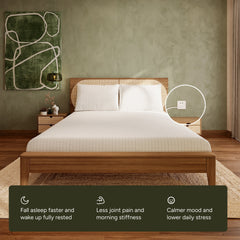
- Nature time and earthing: Regular outdoor time supports nervous system regulation. For grounding for anxiety, barefoot contact with the earth or indoor earthing tools like fitted grounding bedsheets or desk mats may help some people feel calmer and sleep better; early studies report improvements in sleep quality and perceived stress. Example: place a grounding mat under your feet during work, or use a grounded sheet at night.
- Cognitive anxiety coping strategies: Try thought labeling, cognitive reappraisal (“What’s another explanation?”), a 10-minute “worry window,” or brief journaling to externalize concerns.
- Social connection and boundaries: Schedule supportive check-ins and set media limits, especially in the evening.
A sample routine: morning sunlight and a 10-minute walk; midday 3-minute box breathing; late afternoon light movement; evening digital curfew, 10-minute mindfulness, and sleep on a grounding sheet. For persistent or severe symptoms, consult a qualified healthcare professional to integrate these holistic anxiety treatments safely.
The Efficacy of Drug-Free Approaches
Drug-free anxiety relief is most effective when approached as a toolkit rather than a single tactic. Combining physical, mental, and environmental strategies can modulate the body’s stress response and build resilience over time.
Mindfulness-based programs have strong evidence for reducing anxiety. In a 2022 randomized trial, an 8-week mindfulness-based stress reduction (MBSR) program was noninferior to a commonly prescribed SSRI for adults with anxiety disorders. Even brief daily practices help: 10–15 minutes of focused attention or body-scan meditation can lower perceived stress and improve emotional regulation.
Breathwork provides rapid natural stress reduction by shifting autonomic balance. Slow, diaphragmatic breathing (for example, 4–6 breaths per minute with extended exhales) increases heart-rate variability, a marker associated with calm and flexibility under stress. This is an effective on-the-spot strategy before meetings, at bedtime, or during moments of overwhelm.
Exercise is a well-established holistic anxiety treatment. Meta-analyses show aerobic and resistance training produce small-to-moderate reductions in anxiety symptoms. Practical targets include:
- 20–30 minutes of brisk walking, cycling, or swimming most days
- Two short strength sessions weekly
- Brief “movement snacks” (3–5 minutes) during sedentary work
Sleep quality powerfully affects anxiety. Consistent bed and wake times, dim evening lighting, reduced caffeine after noon, and a cool, dark bedroom improve sleep architecture and next-day mood. Tools like morning light exposure and pre-sleep wind-down routines further stabilize circadian rhythms.
Grounding for anxiety—direct skin contact with the Earth or via conductive systems—has emerging but preliminary evidence. Small controlled studies report improvements in sleep quality, reduced perceived stress, and favorable shifts in cortisol patterns and heart-rate variability. For indoor options, some people use grounding bedsheets during sleep or a mat under the desk or during meditation to integrate earthing into daily routines. While promising, grounding should complement—not replace—clinical care when needed.
Effective anxiety coping strategies are most impactful when paired. For example: an evening walk, a 10-minute breath session on a grounding mat, and lights-out at a consistent time can create compounding benefits across sleep, mood, and daytime stability.
Mindfulness and Meditation for Calm
Mindfulness and meditation offer reliable, drug-free anxiety relief by training attention and calming the body’s stress response. Programs like Mindfulness-Based Stress Reduction (MBSR) have been shown to reduce perceived stress and anxious rumination, and the techniques are simple enough to practice at home.
Start with brief, structured sessions and focus on repeatable skills:
- Paced breathing: Inhale through the nose for 4 counts, exhale for 6. Five minutes can lower arousal and steady the mind by engaging the parasympathetic nervous system.
- Body scan: Move attention slowly from head to toe, noting sensations without trying to change them. This promotes interoceptive awareness, a core element of mindfulness for stress.
- Noting: When thoughts intrude, silently label them (“worry,” “planning,” “judging”) and return to your breath. Labeling creates distance from spiraling thoughts.
- Loving-kindness: Silently offer phrases of goodwill to yourself and others. This often softens self-criticism and improves mood.
For in-the-moment anxiety coping strategies, use sensory grounding for anxiety such as the 5‑4‑3‑2‑1 method: identify five things you see, four you feel, three you hear, two you smell, and one you taste. Pair this with one minute of paced breathing to reduce reactivity.
Create a consistent practice environment. Sit at the same time daily, set a 10-minute timer, and reduce notifications. Many people also find that practicing on a dedicated surface—like a comfortable mat—helps anchor the habit. If you’re exploring holistic anxiety treatments that include connection with nature, you can combine meditation with indoor earthing using a grounding mat or bedsheet to build a calming, sensory-rich routine.
A simple plan:
- Morning: 5 minutes paced breathing + 5 minutes body scan.
- Midday: 60-second 5‑4‑3‑2‑1 reset before email or meetings.
- Evening: 10 minutes loving-kindness or gentle breath work as part of wind-down.
Track what shifts—sleep quality, tension levels, focus—and adjust. Consistency over 6–8 weeks typically yields the most noticeable natural stress reduction.
Embracing Physical Activity and Exercise
Movement is one of the most reliable paths to drug-free anxiety relief. Regular exercise can increase endorphins and brain-derived neurotrophic factor (BDNF), balance the autonomic nervous system, lower stress hormones, and improve sleep—each tied to natural stress reduction and calmer mood.

Aim for 150 minutes of moderate cardio or 75 minutes of vigorous cardio weekly, plus two days of strength training. If that feels daunting, start with 10-minute bouts and build up. Use a simple effort guide: on a 1–10 scale, moderate is 5–6, vigorous is 7–8.
Practical options you can rotate:
- Brisk walking or easy jogging: 20–30 minutes, 5 days/week. Keep a pace that lets you speak in short phrases.
- Intervals for time-pressed days: 10 rounds of 1 minute fast, 1 minute easy.
- Strength training: 2–3 sets of 6–12 reps for compound moves (squats, pushes, pulls, hinges). Rest 60–90 seconds between sets.
- Mind-body sessions: yoga, tai chi, or qigong for 10–30 minutes to pair movement with mindfulness for stress.
- Movement “snacks”: 3 minutes of stair climbs, 20 bodyweight squats, or a short mobility flow between meetings.
- Nature-based activity: walks in green spaces or by water for added sensory calm and circadian support.
Grounding for anxiety can complement these routines. Try a barefoot walk on grass or sand after your workout to anchor attention and downshift your nervous system. Indoors, gentle stretching, breathwork, or restorative yoga on a Terra Therapy grounding mat can provide a tactile cue for relaxation. Evening recovery on fitted grounding bedsheets may support the sleep that consolidates exercise benefits—part of holistic anxiety treatments that fit real life.
To get started, use simple anxiety coping strategies:
- Pair workouts with nasal breathing and longer exhales.
- Cool down with 5 minutes of easy walking and a body scan.
- Track mood before and 30 minutes after sessions to spot what works best.
If you’re new to exercise or have medical conditions, check with a clinician. Choose activities you enjoy, progress gradually, and stay consistent—small, repeatable habits deliver profound, drug-free anxiety relief over time.
Nutritional Strategies for Mood Balance
Nutrition is a powerful lever for drug-free anxiety relief because it stabilizes blood sugar, supports neurotransmitter production, and moderates inflammation. Small, consistent shifts in what and when you eat can improve resilience and mood day to day.
- Omega-3 fats (EPA/DHA): Linked to calmer mood and lower stress reactivity. Aim for 2–3 servings weekly of salmon, sardines, or trout; plant options include chia, flax, and walnuts. A simple lunch: salmon salad with leafy greens and olive oil.
- Magnesium: Supports relaxation pathways and GABA activity. Prioritize pumpkin seeds, almonds, black beans, spinach, and dark chocolate (70%+). An evening snack of yogurt with cacao nibs and pumpkin seeds can be soothing.
- B vitamins and folate: Essential for neurotransmitter synthesis and energy metabolism. Include eggs, legumes, leafy greens, nutritional yeast, and fortified whole grains. A veggie omelet with sautéed spinach and mushrooms is a quick win.
- Tryptophan + complex carbs: Tryptophan (turkey, eggs, tofu, sesame) helps serotonin production; pairing with fiber-rich carbs aids brain uptake. Example: whole-grain toast with tahini and banana; or tofu stir-fry over quinoa.
- Fiber and low-glycemic carbs: Steady glucose helps natural stress reduction. Build plates around beans, lentils, oats, sweet potatoes, berries, and non-starchy vegetables to minimize spikes that can mimic anxiety.
- Gut-brain support: Fermented foods (kefir, yogurt, kimchi, sauerkraut) and prebiotics (onion, garlic, asparagus, oats, green bananas) may ease perceived stress. Include one fermented item daily.
Hydration matters: Even mild dehydration can raise cortisol. Keep water handy; limit alcohol, and cap caffeine before noon if it worsens jitters. Try green tea for gentle L-theanine support.
Practical rhythm: Eat balanced meals every 3–4 hours with protein, fiber-rich carbs, and healthy fats. A sample day: oats with chia and berries; lentil-and-veggie bowl; baked trout with quinoa and broccoli.
Combine nutrition with other anxiety coping strategies—mindfulness for stress, light movement, and grounding for anxiety—to form holistic anxiety treatments. Pairing steady meals with indoor earthing practices can reinforce calm and resilience.
Connecting with Nature: Earthing Principles
Earthing, or grounding, is the practice of making direct contact with the Earth’s surface electrons—either by going barefoot outdoors or indoors through a conductive system connected to ground. For many, it offers a practical path to drug-free anxiety relief by calming the body’s stress response and helping restore a balanced nervous system state. Early studies suggest potential benefits for natural stress reduction, including improved heart-rate variability and more optimal circadian cortisol patterns, though larger trials are still needed.
You can integrate grounding for anxiety into daily routines without changing your lifestyle drastically. Outdoor contact is ideal—think 20–30 minutes barefoot on grass, soil, or sand. When that isn’t feasible, conductive products bring the outside in during sleep or work.
Simple ways to get started:
- During sleep: Use a fitted grounding bedsheet or a grounding bed mat connected to a verified grounded outlet. Many people report steadier sleep and calmer mornings over several weeks.
- At your desk: Place a grounding mat under bare feet during high-pressure tasks or virtual meetings.
- Evening wind-down: Combine grounding with a gentle body scan or slow breathing for mindfulness for stress. Try 4-4-4-4 “box breathing” for 5–10 minutes while grounded.
- Micro-breaks: Take two 5-minute grounding breaks between tasks to reset attention and reduce tension buildup.
Layer grounding with other holistic anxiety treatments to build resilient routines:
- Pair a morning grounding session with a brief gratitude journal entry to guide attention away from rumination.
- Use progressive muscle relaxation while grounded to release physical bracing.
- Add a short walk on natural terrain after lunch for light movement and sunlight exposure.
Smart anxiety coping strategies include consistency and feedback. Track sleep quality, mood, and perceived stress for two weeks when starting a grounding routine or using an essential grounding starter kit. Ensure safety by testing outlets for a true ground, following product instructions, and consulting a healthcare professional if you have a pacemaker or specific medical concerns. Grounding is not a replacement for care but can complement broader plans for natural stress reduction.
Practical Grounding Techniques for Relief
Grounding brings attention back to the body and the present moment—powerful for drug-free anxiety relief. Combine simple “earthing” practices with breath and body techniques to support natural stress reduction throughout the day.
Try these anxiety coping strategies:
- Outdoor earthing: Stand or walk barefoot on grass, soil, or sand for 10–20 minutes. Keep knees soft, breathe slowly, and notice contact points under your feet. Avoid chemically treated lawns and extreme temperatures.
- Indoor earthing: When outdoor time isn’t feasible, use a grounded bed mat at your desk or a fitted grounding bedsheet during sleep to enable indoor earthing/grounding. Connect only to a properly grounded outlet and follow manufacturer instructions. Many users report calmer evenings and more restorative sleep as part of holistic anxiety treatments.
- 5-4-3-2-1 sensory reset: Name 5 things you see, 4 you feel, 3 you hear, 2 you smell, and 1 you taste. This anchors attention away from racing thoughts and into immediate experience.
- Box breathing: Inhale for 4, hold 4, exhale 4, hold 4. Repeat 4–6 rounds. Pair with grounding for anxiety by focusing on the sensation of your feet or hands on a grounded surface.
- Progressive muscle relaxation: Starting at the feet, tense each muscle group for 5 seconds, then release for 10. Move up the body to legs, hips, abdomen, hands, arms, shoulders, face, and jaw.
- Vagal soothers: Splash cool water on the face, hum for 60 seconds, or extend an exhale to stimulate the parasympathetic system and support mindfulness for stress.
Build a routine:
- Morning: 5 minutes of outdoor or mat-based earthing plus box breathing.
- Midday: 5-4-3-2-1 reset between tasks.
- Evening: Wind down on a grounding bed mat or fitted bedsheet; dim lights and read or journal for 10 minutes.
Track what helps: note sleep quality, tension levels, and mood over two weeks. If you use grounded products and have implanted medical devices, consult a clinician first. Consistency multiplies benefits and makes drug-free anxiety relief more sustainable.

Integrating Earth's Energy Indoors
Bringing Earth’s charge indoors can contribute to drug-free anxiety relief by offering a simple, repeatable way to calm the nervous system. Earthing products work by connecting conductive fabric to a grounded outlet or rod, allowing your body to equalize with the Earth’s potential while you work, relax, or sleep. Many people use this as part of natural stress reduction and holistic anxiety treatments alongside sleep hygiene, movement, and mindfulness for stress.
How to set up at home
- Desk time: Place a Grounding Bed Mat or universal mat under your bare feet while typing or on calls. Pair with 3–5 minutes of 4-7-8 breathing every hour and brief shoulder rolls to release tension—practical anxiety coping strategies you can stick with.
- Evenings: Switch to Fitted Grounding Bedsheets to maintain gentle contact overnight, when the body does most of its repair. Consistent use may support more settled sleep, which often correlates with steadier mood.
- Midday reset: Sit or lie on a mat for 10–20 minutes and do a body scan or box breathing. Short, frequent sessions are easier to sustain than occasional long ones.
Getting started in minutes
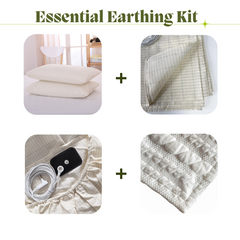
- Use an outlet tester (included in many Essential Grounding Starter Kits) to confirm a properly grounded outlet.
- Snap the cord to the mat or sheet, plug into the ground-only port, and ensure direct skin contact for best conductivity.
- Keep feet bare on mats; for bedsheets, skin contact with the fabric is ideal.
- Avoid daisy-chaining multiple adapters or using ungrounded extension cords.
Care and maintenance
- Wash conductive sheets on gentle with mild detergent. Skip bleach, fabric softeners, and dryer sheets to preserve conductivity; air dry or low heat.
- Wipe mats with a damp cloth; avoid harsh cleaners.
What to expect
Users often report calmer restlessness, reduced perceived stress, and improved sleep quality. Early studies have noted shifts in cortisol patterns and subjective sleep improvements, but evidence is still emerging. Consider earthing a supportive tool within holistic anxiety treatments, not a stand-alone cure. If you have a medical device or specific health concerns, consult your clinician before use.
Lifestyle Adjustments for Sustained Wellness
Sustained wellness comes from small, repeatable habits that calm the nervous system and support recovery. Build a routine that fits your lifestyle and track what works for you.
- Prioritize sleep
- Keep a consistent wake time; get 10–20 minutes of morning light.
- Set a caffeine cutoff 8 hours before bed; limit alcohol.
- Create a wind‑down: dim lights, stretch, read, or journal 60 minutes before sleep.
- For grounding for anxiety at night, maintain skin contact with a grounded surface. Sleeping on a grounded bedsheet or using a bed mat can support natural stress reduction by promoting deeper rest.
- Regulate your nervous system
- Practice mindfulness for stress 5–10 minutes twice daily (e.g., breath‑focused attention).
- Use brief anxiety coping strategies: box breathing (4‑4‑4‑4), the “physiological sigh” (two quick inhales, long exhale), or progressive muscle relaxation.
- Add a 2–3 minute cold splash to face or forearms if tolerated.
- Move consistently
- Aim for 150 minutes/week of moderate cardio plus 2 days of strength work.
- After meals, take a 10‑minute walk to smooth blood sugar and reduce jitteriness.
- Include yoga or tai chi 2–3 times weekly; both are effective holistic anxiety treatments.

- Eat to steady mood
- Front‑load protein at breakfast (25–30 g) and pair carbs with fiber and fat.
- Emphasize omega‑3s (fatty fish, flax), magnesium‑rich foods (leafy greens, nuts), and hydration.
- Manage inputs
- Batch notifications; set Do Not Disturb blocks.
- Limit doomscrolling; choose a specific 15‑minute news window.
- Reconnect with nature
- Spend 15–20 minutes barefoot outdoors when possible.
- Indoors, use grounded surfaces during routine activities—e.g., stand on a grounding mat while emailing or sleep on a fitted grounding sheet for overnight contact.
- Measure and adjust
- Track sleep, energy, and daily anxiety (0–10) for two weeks.
- Keep what helps; change one variable at a time.
These evidence‑informed habits form a sustainable plan for drug-free anxiety relief. Start with one or two changes, stack them onto existing routines, and consult a clinician for persistent or severe symptoms.
Recognizing When to Seek Professional Guidance
Drug-free anxiety relief can be profoundly effective, but it’s important to recognize when self-guided practices aren’t enough. Seeking professional guidance early can prevent symptoms from escalating and help you tailor a plan that blends natural stress reduction with clinical support.
Consider reaching out to a licensed professional if you notice any of the following:
- Persistent symptoms that last most days for several weeks, such as racing thoughts, restlessness, irritability, muscle tension, or dread on waking
- Panic attacks, chest tightness, or shortness of breath that recur or lead to avoidance of daily activities
- Sleep disruption that doesn’t improve despite consistent anxiety coping strategies (e.g., mindfulness for stress, limited caffeine, regular movement, or grounding for anxiety)
- Anxiety interfering with work, relationships, parenting, or school performance
- Increasing reliance on alcohol or substances to cope
- Significant life stressors (bereavement, job loss, trauma) that feel unmanageable
- Coexisting health conditions (cardiac issues, pregnancy, chronic pain) where guidance ensures holistic anxiety treatments are safe and appropriate
- Any thoughts of harming yourself—seek immediate, in-person help via local emergency services
A practical checkpoint: If you’ve consistently practiced drug-free anxiety relief for 2–4 weeks—such as daily breathwork, brief meditation, light evening stretches, and indoor earthing (for example, using a conductive bed mat or sheet to support relaxation)—and you’re still waking unrefreshed, missing deadlines, or avoiding social plans, it’s time to consult a professional.
What support can look like:
- Primary care evaluation to rule out medical contributors (thyroid issues, sleep apnea, anemia)
- Evidence-based therapies like CBT, ACT, or mindfulness-based stress reduction
- Skills training such as biofeedback or structured breathing protocols
- Referral to a psychiatrist when medication or further assessment may be warranted
- Group programs or trauma-informed counseling if relevant
Come prepared with a symptom log, current practices (meditation minutes, grounding routine, screen curfew), sleep/worry patterns, and specific triggers. This helps your provider integrate what’s working—whether mindfulness for stress, earthing tools, or other lifestyle shifts—into a comprehensive, personalized plan.
Cultivating a Serene and Peaceful Life
Serenity is easier to cultivate when you treat calm as a daily practice rather than a one-time fix. Effective drug-free anxiety relief blends body-based techniques, mindset skills, and a supportive environment you can return to whenever stress spikes.
Try layering these evidence-informed anxiety coping strategies:
- Breathwork. Use 4-7-8 or box breathing (4-4-4-4) for two to five minutes to slow heart rate and signal safety to your nervous system. This is a fast, portable form of mindfulness for stress.
- Micro-mindfulness. Set a timer for a three-minute body scan, or use the 5-4-3-2-1 sensory check-in to anchor attention. These brief resets help interrupt rumination.
- Natural movement. A 20–30 minute brisk walk, light yoga, or mobility work lowers muscular tension and supports natural stress reduction without overstimulation.
- Sleep hygiene. Keep a consistent schedule, get morning daylight, and cool and darken your room at night. Some people find grounding for anxiety helpful at bedtime; fitted conductive sheets or a bed mat that connects to a grounded outlet may support more settled sleep and a calmer mood. Terra Therapy’s Fitted Grounding Bedsheets and Grounding Bed Mats are designed for indoor earthing.
- Indoor earthing options. If you can’t get outside, an under-desk grounding mat or an Essential Grounding Starter Kit can make contact while you work or rest. Early studies and user reports suggest potential benefits for sleep quality and perceived stress; experiences vary.
- Nutrition and hydration. Favor protein- and fiber-rich meals to stabilize blood sugar, include magnesium-rich foods (leafy greens, nuts, legumes), and limit late-day caffeine and alcohol.
- Cognitive skills. Schedule 10–15 minutes of “worry time,” journal to label emotions, and practice reframing (“What else could be true?”). These are core components of holistic anxiety treatments.
- Sensory resets. A cold-water face splash or extending your exhale to six breaths per minute can quickly downshift arousal.
Build a simple routine you can sustain, track what helps, and adjust. If anxiety significantly disrupts daily life, consult a licensed clinician for additional support.